
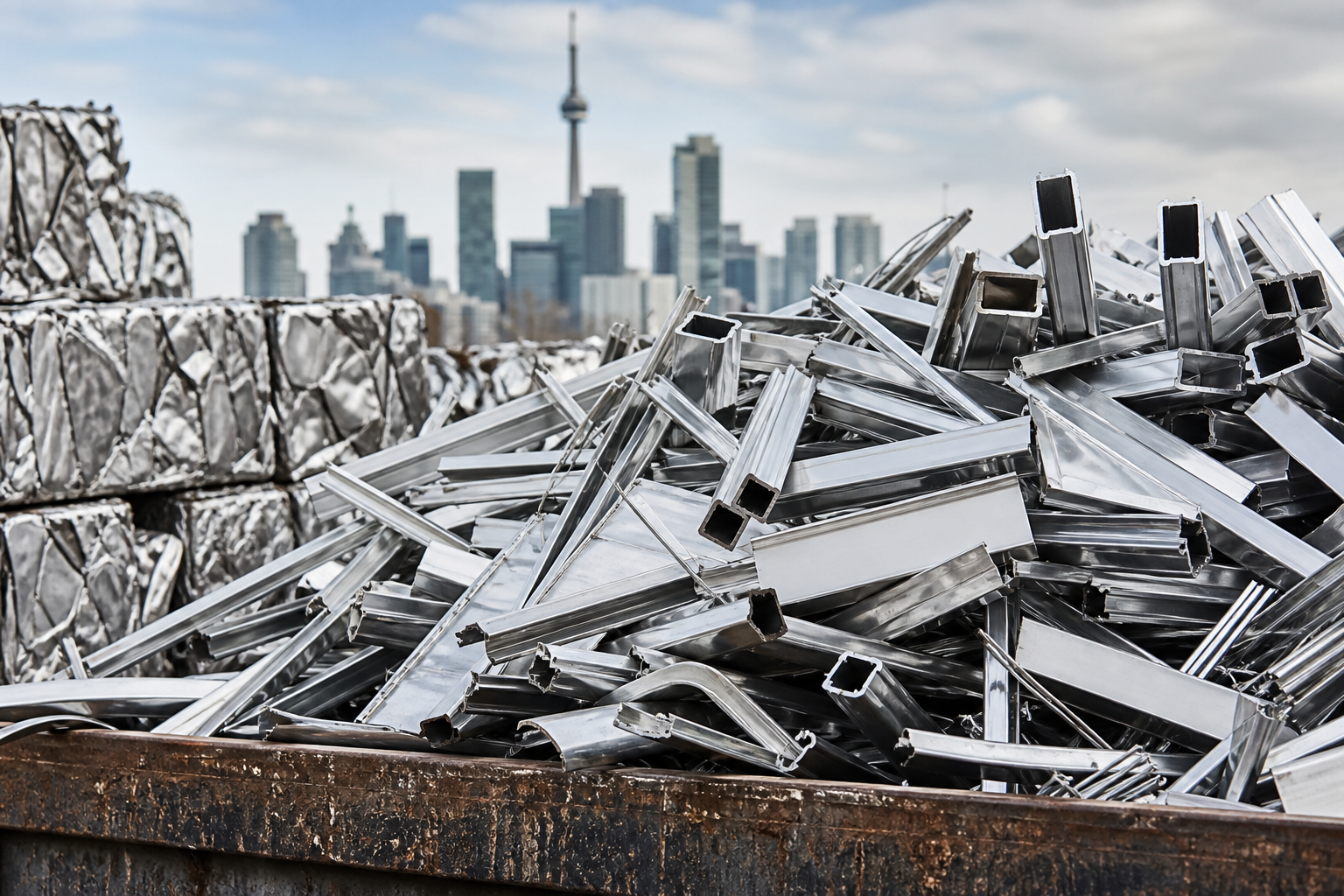
If you have aluminum siding offcuts, beverage cans, old wheels, or leftover extrusion from a renovation, you might be wondering how scrap aluminum prices are determined in Toronto and what you can do to get paid fairly. While specific rates change over time and vary by yard, the steps that influence your payout are consistent: knowing what you have, separating material by grade, keeping it clean, and bringing it in safely. This guide walks through practical, verifiable ways to prepare your aluminum so you can approach a local drop-off with confidence.
What counts as scrap aluminum?
Aluminum shows up in homes, job sites, vehicles, and electronics. Here are common items that frequently qualify as aluminum scrap at metal drop-offs:
- Extrusions: Window and door frames, railings, and structural profiles.
- Sheet and siding: Flat panels, fascia, soffits, and thin sheet offcuts.
- Cast aluminum: Auto parts (engine/transmission housings), cookware, some machinery components.
- Aluminum wheels: Automotive rims, usually without tires, weights, or valve stems.
- Beverage cans (UBC): Empty aluminum drink cans, typically bagged or baled.
- Radiators and heat exchangers: From HVAC and vehicles, sometimes mixed with other metals.
- Wire and cable: Certain power or utility aluminum conductors (often mixed with steel or insulation—grade depends on makeup).
- Turnings/shavings: Machine shop aluminum turnings and chips free of fluids.
Tip: Use a magnet. Aluminum is non-magnetic. If a strong magnet sticks firmly, the item is likely steel or contains steel components.
How scrap aluminum is graded
Scrap yards typically buy aluminum by material grade. Clear labeling on your end—along with keeping grades separate—helps staff scale your load quickly and accurately. While exact category names can differ by yard, the following groups are widely recognized:
- Clean extrusion: Straight lengths of architectural or industrial profiles with minimal paint and no attachments.
- Painted/coated extrusion: Similar to clean extrusion but with baked enamel or powder coats; small amounts of paint can affect grading.
- Clean sheet: Flat aluminum without attachments or adhesives; minimal paint or coatings.
- Siding: Profiled or flat aluminum siding separated from fasteners and foam.
- Cast aluminum: Molded parts such as automotive housings; generally brittle and often contain traces of other alloys.
- Aluminum wheels: Preferably without tires, valve stems, wheel weights, or embedded steel inserts.
- Radiators/condensers: May be aluminum only or aluminum-copper; the presence of mixed metals changes the grade.
- Beverage cans (UBC): Rinsed and free of liquids; crushing is optional but helps with space.
- Turnings/chips: Dry machining chips with minimal steel or plastic contamination.
Why grading matters: Each grade reflects a different alloy mix and recovery rate. Clean, single-alloy material is generally more desirable to process than mixed or contaminated items, which is why separating grades before you arrive can meaningfully affect the amount you’re paid.
Factors that affect what you’re paid
Every yard posts or quotes its own buying rates. Without referencing specific numbers, you can still influence your payout by focusing on the tangible inputs most locations check:
- Purity and cleanliness: Remove steel screws, hinges, nails, gaskets, rubber, plastic trims, insulation, foam backers, and tar or glue where practical.
- Separation by grade: Don’t mix wheels with cast, or sheet with extrusion. Use clearly labeled bins or bags.
- Moisture and residues: Keep material dry. Drain radiators and allow machining turnings to air out so there’s no trapped fluids.
- Attachments and inserts: Pop out steel valve stems and wheel weights; separate copper-aluminum radiators from aluminum-only units if possible.
- Accurate weights: Heavier items with clean grades move through the scale faster and reduce disputes.
Important: If you’re unsure which grade you have, bring a small sample or pictures first. Most yards can confirm the category at the scale, but arriving with pre-sorted loads saves time and reduces regrades.
How to prepare and sort your aluminum
Preparation is the most reliable way to protect your payout. Use this no-guesswork checklist before you load your vehicle:
- Identify the metal: Confirm non-magnetic. If in doubt, scratch a hidden spot—aluminum marks dull silver.
- Remove non-aluminum parts: Backing foam on siding, steel screws, hinges, handles, rubber seals, and plastic caps.
- Cut to manageable lengths: Long extrusions can be cut to fit your vehicle while keeping profiles straight.
- Drain and dry: Empty radiators/condensers; dry any turnings or chips.
- Rinse cans: Empty and lightly rinse beverage cans; let them dry to avoid sticky bags and scale deductions for liquids.
- Separate by grade: Use labeled containers—“clean extrusion,” “sheet,” “cast,” “wheels,” “UBC,” etc.
- Bundle neatly: Tie long extrusions; box smaller offcuts; bag cans. Neat bundles speed unloading.
- Keep a small “unknown” box: For odds and ends you can’t identify; ask at the scale before mixing into a bin.
Tools and supplies that help:
- Work gloves, eye protection, and a dust mask (when cutting or brushing oxidation).
- Battery or corded drill/driver and bits for removing screws and rivets.
- Pry tools and snips for trims and weatherstripping.
- Permanent markers and painter’s tape for bin labels.
- Sturdy bins, contractor bags, or stackable totes.
Estimating weight and volume before you go
Even without a shop scale, you can plan your trip by estimating how much aluminum you have and how it will fit in your vehicle:
- Use a household scale: For small bins or bundles under the scale’s limit, weigh yourself holding the item, then subtract your body weight.
- Compare to known objects: A 66 L tote full of clean, flat sheet typically weighs far less than the same tote of tools or hardware; adjust your expectations accordingly.
- Check vehicle capacity: Confirm your vehicle’s payload and use ratchet straps to secure longer extrusions. Never overload.
- Minimize air space: Nest shorter pieces, bag cans tightly, and keep wheels stacked to make the most of each trip.
Remember: Yards buy by measured weight on certified scales. Your home estimate is just for planning and safe transport.
Toronto-ready drop-off checklist
Arriving organized helps you move through a yard quickly and reduces back-and-forth at the scale. Use this quick sequence on drop-off day:
- Stage your load: Place the easiest-to-unload bins near the doors or tailgate; keep grades grouped together.
- Bring identification if required: Some locations request ID for certain transactions.
- Know your grades: Be ready to tell the scale attendant what’s in each bin—“clean extrusion,” “sheet,” “wheels (no stems),” “cast,” “UBC.”
- Follow on-site directions: Traffic flow and unloading areas vary by yard; watch signage and staff instructions.
- Ask before mixing: If staff regrade an item, keep it separate instead of mixing into a higher-grade bin.
- Collect your receipt: Review the weight and grade lines so you can refine your prep next time.
Common mistakes to avoid
- Mixing grades: Combining extrusion with sheet or cast usually downgrades the whole batch.
- Leaving attachments: Steel screws, rubber strips, and plastic trims add weight you won’t be credited for.
- Wet or oily metal: Moisture and fluids can trigger deductions and are unsafe to handle.
- Assuming an alloy: Not all silver-colored items are aluminum—some are magnesium, zinc, or steel.
- Ignoring safety: Unsecured loads, sharp edges, and cutting without PPE risk injury.
- Forgetting to ask: If something seems borderline between two categories, ask the yard before unloading.
Simple framework for better payouts
Use this repeatable framework each time you collect aluminum:
- Identify: Confirm it’s non-magnetic and likely aluminum; look for casting marks or extrusion profiles.
- Strip: Remove obvious non-aluminum parts that are easy to detach safely.
- Sort: Create clean, labeled bins for each grade; don’t mix questionable items.
- Secure: Bundle or box items neatly; keep loads dry and stable for transport.
- Verify: At the yard, confirm any uncertain pieces with staff before they enter a bin.
- Record: Keep your scale ticket; note which prep steps paid off so you can improve next run.
FAQ: Scrap aluminum prices Toronto
How often do scrap aluminum prices change?
Rates can change. The most dependable way to know the current price for your specific grade is to contact a yard shortly before you visit or ask at the scale on arrival.
What’s the best way to tell extrusion from sheet?
Extrusion is pushed through a die and typically has a uniform profile or channel (think window frames and railings). Sheet is flat and thin, often from siding, fascia, or flat panels. Keep them in separate bins because they’re graded differently.
Do I need to remove paint from aluminum?
No. Most yards accept painted aluminum, but painted or coated items may be placed in a different category than clean material. Remove what’s easy—stickers, foam, rubber trims, and steel screws—so you don’t lower the grade unnecessarily.
Can I bring aluminum attached to plastic, rubber, or steel?
Yes, but attachments can reduce the grade or trigger deductions. It’s often worth removing easy attachments at home. If removal is difficult or unsafe, keep those items separate and ask the yard how they will be graded.
What about dirty or oily turnings (chips)?
Let them drain and dry. Keep them free of rags, plastic, and steel. Moisture and residues can lead to regrades or deductions at many yards.
Do crushed cans pay differently than uncrushed cans?
Crushing cans saves space for transport and storage, but it isn’t required. Clean, dry cans kept separate from other metals are what matter most for accurate grading.
Is it worth separating wheels from other aluminum?
Yes. Aluminum wheels are typically categorized separately. Remove tires, valve stems, and weights when safe to do so and keep wheels in their own stack or bin.
What should I bring on drop-off day?
Bring your sorted bins, basic ID if requested by the yard, gloves for unloading, and any photos or questions about borderline items. Follow posted directions and staff guidance on site.