
Last updated: October 2026
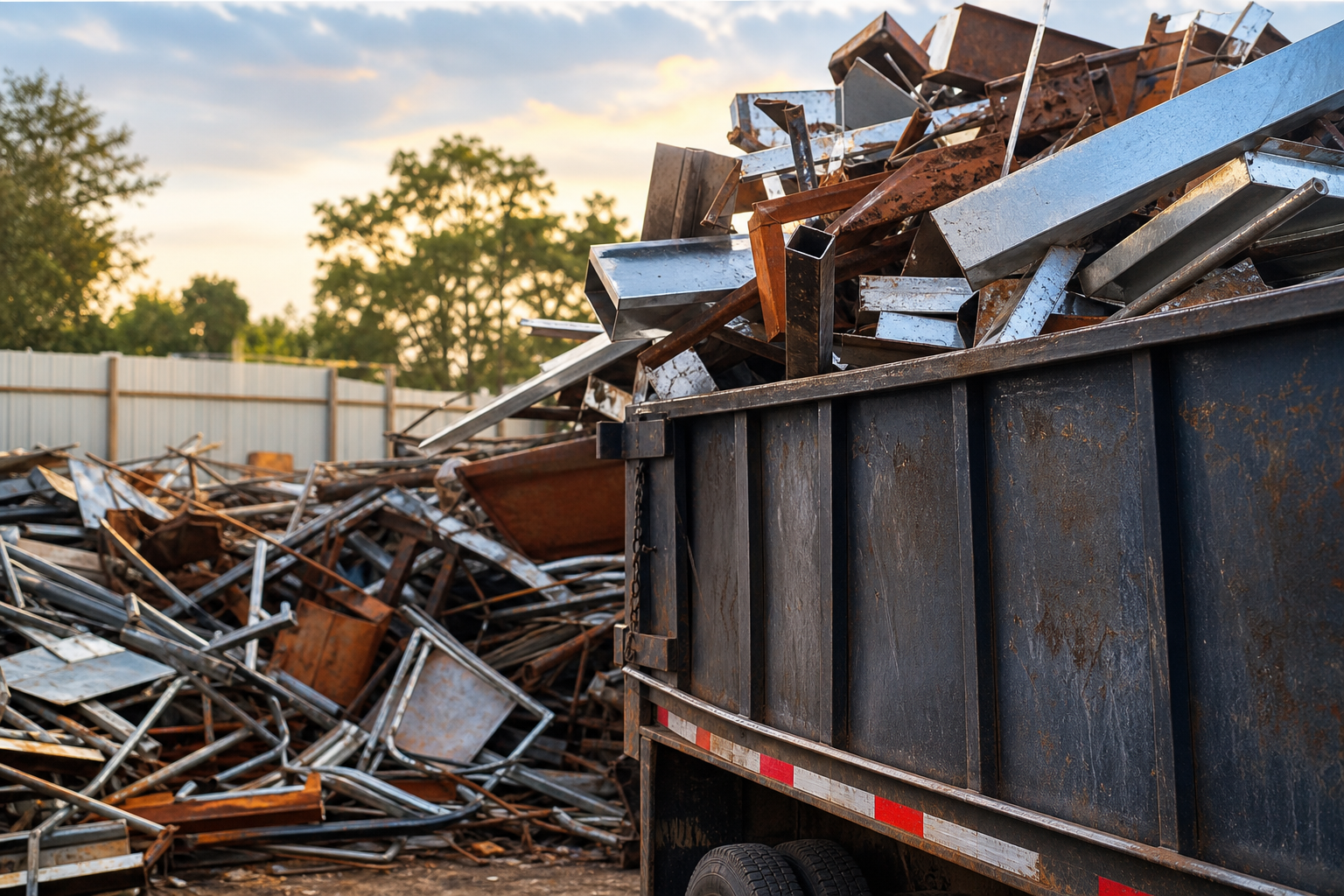
Scrap iron pickup can clear a garage, renovation site, workshop, or maintenance area without leaving heavy material to accumulate. The phrase usually covers iron and steel items, including structural pieces, cast components, appliances, automotive parts, and fabrication offcuts. Because iron is dense and often mixed with plastic, wiring, rubber, fluids, or other metals, the way you prepare it matters as much as the amount you have.
This scrap iron pickup guide explains what typically belongs in a ferrous load, how to sort and stage it, what information to give a pickup provider, and when a direct trip to a scrap yard may be simpler. It also includes practical safety checks and a day-of checklist for customers in Etobicoke, Toronto, Mississauga, Brampton, and the surrounding GTA.
What counts as scrap iron?
Scrap iron generally means ferrous metal: material containing iron that is attracted to a magnet. In everyday use, the category commonly includes steel as well as cast iron. A magnet test is a useful first screen, but it does not identify the exact alloy or guarantee that an entire object is ferrous because many products combine several materials.
Common household and property items
Households may have scrap iron in old shelving, hand tools, cast-iron cookware, steel furniture frames, barbecue bodies, lawn-equipment frames, fencing, gates, and storage racks. Washers, dryers, ovens, furnaces, and other appliances also contain substantial ferrous metal, although they may include wiring, motors, insulation, glass, refrigerant-related components, or plastic panels.
Do not assume that every part of an appliance or household product should be dismantled. Remove loose, obvious attachments only when doing so is safe and practical. A complete appliance can be easier to move than a collection of sharp panels and scattered components.
Common construction, automotive, and industrial items
Construction and renovation material can include beams, rebar, angle iron, plate, pipe, ducting, steel studs, brackets, and fabrication offcuts. Automotive scrap may include brake rotors, drums, engines, transmissions, frames, suspension parts, and other cast or steel components. Workshops and facilities may accumulate machine bases, racks, stampings, punchings, turnings, and short lengths of bar or tubing.
Mixed assemblies should be described accurately rather than presented as clean iron. A motor, appliance, vehicle component, or machinery part can be mostly ferrous while still containing non-ferrous metal, wiring, fluids, rubber, and other materials. A clear description helps a provider decide whether it is suitable for the intended pickup or whether another handling route is better.
Use a magnet without treating it as the only test
Run a strong magnet across a clean area of the item. A firm attraction suggests iron or steel, while no attraction suggests that the item may be aluminum, copper, brass, or another non-ferrous material. Some stainless-steel grades have limited magnetic attraction, and paint, dirt, coatings, or a non-ferrous outer part can make a quick test misleading.
When the material matters for a quote or handling decision, group uncertain pieces separately and label them for inspection. Never use a magnet test as a substitute for identifying hazardous contents, pressurized containers, fluids, or equipment that has not been made safe.
How to sort and prepare scrap iron for pickup
Good sorting reduces double-handling and gives the pickup provider a more useful picture of the load. It also helps prevent sharp pieces, loose smalls, and unstable stacks from creating problems at the loading area.
Create practical material groups
Start with broad groups that reflect how the material will be moved. Useful labels include ferrous long stock, plate and sheet, cast iron, smalls and offcuts, appliances, automotive parts, and mixed assemblies. Keep obvious non-ferrous pieces in a separate area rather than allowing them to disappear into a large iron pile.
- Ferrous long stock: Rebar, pipe, angle, channel, tubing, rails, and other extended pieces.
- Plate and sheet: Flat steel, panels, duct sections, brackets, and cut sheet.
- Cast and dense pieces: Rotors, brake drums, cast cookware, machine parts, and radiators.
- Smalls and offcuts: Short pieces, punchings, fasteners, turnings, and loose hardware.
- Mixed assemblies: Appliances, motors, machinery, vehicle components, and objects with attached plastic, wiring, or rubber.
Keep the groups physically separate when possible. A clear space between categories is more useful than a perfect classification that requires unsafe dismantling.
Remove easy attachments, not difficult components
Where practical, remove loose plastic, wood, fabric, cardboard, rubber feet, and other obvious non-metal attachments. Put small fasteners and loose metal parts in a lidded bin or sturdy tote so they do not scatter during movement. If a component is seized, spring-loaded, sharp, pressurized, or difficult to access, leave it intact and identify it as a mixed item.
Do not cut into sealed systems or equipment containing unknown fluids. Refrigeration equipment, tanks, cylinders, and machinery may require specialized handling. A tidy load is helpful, but safety and accurate disclosure are more important than maximizing separation.
Bundle and contain material
Place short pieces and small metal parts in strong containers that can be lifted without splitting or spilling. Avoid overfilling bins: a container that is manageable when empty may become too heavy when filled with iron. Mark containers with a simple description such as “ferrous smalls” and leave enough room for safe gripping.
Bundle long stock with suitable straps or steel banding and keep bundles within the limits of the available lifting equipment. Secure sharp ends with caps, guards, or highly visible flags where appropriate. Do not create a bundle so heavy that workers must drag it, carry it awkwardly, or stand in its fall path.
Stage the load near a clear access route
Place material as close as reasonably possible to the loading point without blocking doors, fire exits, driveways, aisles, sidewalks, or vehicle routes. Keep piles on stable ground and away from edges, slopes, standing water, and areas where children or unauthorized people may enter. If a truck must reach the pile, check clearance for gates, overhead obstructions, turning space, and parked vehicles.
For a pickup in an Etobicoke, Toronto, Mississauga, or Brampton property, access can vary considerably between a detached home, commercial yard, laneway, loading dock, and active construction site. A photo of the staged material and access route can prevent confusion when the pickup is being arranged.
How to choose scrap iron pickup or direct drop-off
The best route depends on the load’s size, location, accessibility, timing, and the labor or transport you have available. “Pickup” is not automatically the right choice for every pile. A small, easily loaded amount may be simpler to bring to a scrap yard, while a large or immovable load may justify arranging collection.
When pickup may be practical
Pickup can make sense when material is too heavy, bulky, or numerous for a household vehicle, or when the iron is already at a job site and moving it twice would add labor. It may also help businesses that need to clear accumulated material without sending employees to make repeated trips. The provider may still need enough recyclable material to make the trip workable and may need to confirm vehicle access and loading conditions.
Before requesting collection, describe the material honestly: approximate number of items, whether it is mostly iron or steel, whether it includes appliances or mixed assemblies, the location, and whether the pile is outside, inside, upstairs, behind a gate, or near a loading dock. Ask what preparation, minimum volume, equipment, and timing requirements apply rather than assuming every load qualifies.
When direct drop-off may be simpler
Direct drop-off can be efficient when you have a suitable vehicle, a consolidated load, and material that can be loaded and secured safely. It gives you control over timing and may be preferable for a modest quantity that is already separated. Use a vehicle rated for the actual load and secure every piece against shifting, falling, or protruding into traffic.
Quick Scrap Metal operates from 407 Rexdale Blvd in Etobicoke and serves customers from Toronto and the broader GTA. Its business information describes buying common ferrous and non-ferrous metals, along with recycling services for appliances and electronics, so customers should confirm current acceptance details and whether their particular material is better suited to drop-off or pickup.
Questions to ask before arranging collection
- Does the provider accept the specific iron, steel, appliance, automotive, or mixed material?
- Is pickup available for the estimated quantity and location?
- Does the load need to be separated, bundled, drained, or placed at ground level?
- What vehicle or equipment will be used, and what access clearance is required?
- Who is responsible for moving material from its current position to the vehicle?
- Are there items that must be excluded, such as sealed containers, hazardous residues, or non-metal debris?
- What information or photographs would help confirm the arrangement?
These questions create a shared understanding before anyone arrives. They are especially useful for commercial sites where loading docks, site hours, tenant access, traffic control, or safety procedures affect the appointment.
How to plan safe handling and loading
Iron and steel can be deceptively heavy. A small-looking cast component or compact bundle may exceed what one person can safely lift, and sheet or cut stock can have edges capable of causing serious cuts. Treat loading as a planned material-handling task rather than an informal cleanup.
Use appropriate protective equipment
People handling the material should use cut-resistant work gloves, safety glasses, long sleeves, and sturdy steel-toe footwear appropriate to the conditions. Add hearing, respiratory, or other protection when the work environment requires it. Gloves do not make a sharp or unstable item safe, so inspect the load and use tools or equipment where necessary.
Use equipment instead of improvised lifting
Dollies, pallet jacks, carts, pry bars, lift tables, ramps, and suitable mechanical lifting equipment can reduce strain and uncontrolled movement. Check the rated capacity and condition of the equipment before use. Keep hands and feet out from under loads, never stand between a moving object and a fixed surface, and use clear commands when more than one person is involved.
Team lifting is not a substitute for estimating weight. If the object is too heavy, awkward, unstable, or long for the available people and equipment, stop and arrange a safer method. Do not drag metal across a surface if doing so can damage the property, catch an edge, or cause the load to tip.
Control sharp edges, rolling pieces, and unstable stacks
Stack material in low, stable piles with heavy pieces at the bottom. Chock or otherwise control round items such as pipe, drums, and rotors so they cannot roll into a walkway. Keep long pieces aligned and supported, and avoid leaning them against doors, fences, vehicles, or temporary structures.
Cap, guard, or clearly flag sharp ends. Keep loose wire, narrow strips, and jagged offcuts contained rather than spreading them across the staging area. After loading, inspect the ground for nails, shards, oil, and other debris and leave the route clear for the next person.
Manage fluids and uncertain contents
Some equipment and automotive parts may contain oil, coolant, fuel, refrigerant-related components, or other residues. Do not drain unknown substances onto the ground or into a drain. Keep leaking items isolated, use suitable absorbent material for minor incidental drips, and disclose the condition before pickup.
Do not place pressurized cylinders, sealed tanks, ammunition, explosive materials, chemical containers, or other potentially hazardous items into a general scrap pile. If you are unsure about an item, set it aside and obtain handling instructions from an appropriate provider before moving it.
How to estimate weight and communicate access
Volume alone is a poor guide to the weight of scrap iron. A compact pile of cast pieces or solid plate can be much heavier than a larger-looking pile of thin sheet or tubing. A rough estimate is still useful because it helps identify the likely vehicle, number of workers, loading method, and staging requirements.
Build a useful estimate
Separate dense cast pieces, plate, and solid bar from lighter sheet, tubing, and hollow sections. Count large objects individually and describe the remainder by the number of bins, bundles, pallets, or approximate pile dimensions. If a known container can be weighed safely, compare its empty and loaded weight; do not exceed the container, vehicle, or scale capacity.
When contacting a provider, explain uncertainty rather than offering a falsely precise number. “Two pallets of mixed steel, including several brake rotors and one appliance” is often more useful than an unsupported weight estimate. Include photographs taken from enough distance to show the pile and access route, plus closer images of unusual or oversized items.
Describe the pickup location accurately
State whether the material is at ground level, inside a building, in a backyard, on a roof, behind a locked gate, or at a loading dock. Mention stairs, narrow lanes, low overhead clearance, soft ground, parked vehicles, and any time restrictions. Identify who will be present and whether someone can unlock the access point or direct the driver.
Clear access is not only a convenience. It affects whether equipment can reach the load and whether the material can be moved without exposing workers, vehicles, buildings, or pedestrians to unnecessary risk.
Scrap iron pickup day: a practical checklist
Use this checklist shortly before the scheduled arrival. It is designed for both household cleanouts and recurring commercial or job-site collections.
- Confirm the pickup window, address, contact person, and access instructions.
- Unlock gates and clear the driveway, loading area, dock, aisle, or route to the staged material.
- Keep pedestrians, children, pets, and unrelated workers away from the loading zone.
- Separate ferrous material from obvious non-ferrous metal, debris, and mixed assemblies.
- Place small pieces in sturdy containers and secure long stock into manageable bundles.
- Flag or guard sharp ends and stabilize round, leaning, or rolling pieces.
- Identify oversized, unusually heavy, leaking, or difficult-to-access items before loading begins.
- Have gloves, eye protection, footwear, straps, a dolly, and other agreed equipment ready.
- Keep photos, item notes, and any provider instructions available for reference.
- After loading, sweep the area and check for sharp fragments, spilled fluids, or blocked routes.
Common problems and practical responses
The pile contains too many mixed materials: Separate what can be identified quickly and label the remainder as mixed. Do not delay the entire project with complicated dismantling unless the provider specifically requires it.
The load is larger than expected: Stop before loading and update the provider. A change in quantity may affect the vehicle, equipment, appointment length, or whether the material is suitable for the planned service.
Access is blocked: Move vehicles, equipment, bins, and loose debris before the pickup window if it can be done safely. If the route cannot be cleared, communicate the limitation rather than asking a driver to attempt an unsafe approach.
Weather changes the conditions: Keep material stable and protect walkways from rain, ice, or mud. Secure tarps so they cannot blow into traffic, and postpone handling if visibility or footing becomes unsafe.
There is not enough manpower: Containerize smalls and arrange mechanical assistance instead of trying to make up for limited labor with rushed lifting. A smaller, controlled load is safer than an unstable pile moved all at once.
Support responsible recycling and keep useful records
Scrap iron and steel can return to manufacturing streams when collected and processed appropriately. Keeping non-metal debris, packaging, and contaminants out of a load supports cleaner handling and reduces unnecessary disposal. Sorting obvious aluminum, copper, brass, stainless, and other non-ferrous pieces separately can also make the material easier to assess.
Maintain a simple record for recurring pickups: date, material categories, approximate quantity, photographs, access notes, and the person who coordinated the load. Businesses can add the source area, equipment condition, and any incidents or cleanup actions. These records make the next collection easier to plan and help identify which materials are accumulating.
Quick Scrap Metal describes its service as buying and recycling a broad range of metals and responsibly recycling appliances and electronics. Acceptance, pricing, payment, and pickup availability can depend on the material and circumstances, so confirm current details directly before moving a load or relying on a particular arrangement.
Frequently asked questions about scrap iron pickup
What is the easiest way to tell whether an item is scrap iron?
Test a clean section with a strong magnet. Firm attraction suggests a ferrous material such as iron or steel, while no attraction suggests that it may be non-ferrous. Because coatings, stainless grades, and mixed construction can affect the result, set uncertain items aside and describe them accurately when arranging pickup.
Should scrap iron be separated before pickup?
Yes, separate broad categories where practical, especially ferrous long stock, plate, cast pieces, smalls, appliances, and mixed assemblies. Sorting improves staging and communication, but it is not worth unsafe dismantling. Remove easy loose attachments and label items that still contain plastic, wiring, rubber, fluids, or other materials.
Can appliances and automotive parts be included with scrap iron?
Many appliances and automotive components contain substantial ferrous metal, but they are often mixed-material items rather than clean iron. Describe the exact objects, disclose fluids or unusual contents, and confirm acceptance before pickup. Do not cut into sealed, pressurized, or refrigerant-related systems without appropriate handling knowledge.
How much scrap iron is needed for pickup?
There is no single amount that applies to every provider, load, vehicle, or location. Eligibility can depend on the material’s recycling value, total volume, access, loading requirements, and service area. Provide an honest description, approximate quantity, photographs, and access details so the provider can determine whether pickup is practical.
Is pickup better than taking scrap iron to a yard?
Pickup is often more practical for heavy, bulky, or immovable material, while direct drop-off can suit a consolidated load that fits a properly rated vehicle. Compare the amount of labor, transport capacity, loading risk, timing, and access involved in each option. Confirm current acceptance and service details before choosing.
How should sharp iron and steel pieces be prepared?
Group similar pieces, secure long stock with suitable banding or straps, and cap or visibly flag sharp ends. Keep bundles manageable for the available equipment and do not stack them where they can fall or roll. People assisting with handling should use appropriate gloves, eye protection, footwear, and safe lifting methods.
Arrange the next step for your load
Identify the material, separate what you can safely separate, photograph the pile and access route, and write down the quantity and any unusual conditions. Then confirm whether pickup or direct drop-off fits your load before moving heavy or uncertain items.