

Last updated: October 2026
By Preet Dass – Quick Scrap Metal
Refreshed: October 2026
How scrap metal price per pound works
Scrap metal price per pound is the amount a scrap yard offers for one pound of a particular material grade. It is not one universal rate for everything in a truck or garage. Copper wire, clean aluminum extrusion, brass, stainless steel, steel, appliances, and electronic components are evaluated as different categories because their metal content, processing requirements, and downstream markets differ.
A useful way to think about the transaction is:
payout = verified net pounds × the applicable grade rate
The rate and the net weight both matter. A heavy load of low-value, contaminated steel may produce less cash than a smaller load of well-separated copper or brass. Conversely, spending hours preparing a low-value mixed load may not be worthwhile if the likely improvement is smaller than the value of your time.
Five factors that affect the rate
- Metal family: Non-ferrous metals such as copper, aluminum, brass, nickel, and stainless steel generally trade differently from ferrous steel and cast iron.
- Grade: Bare bright copper, clean tubing, extrusion, sheet aluminum, insulated wire, and mixed metal are not interchangeable categories.
- Purity and contamination: Plastic, rubber, wood, paint, fluids, solder, attachments, and dirt can result in a downgrade or a deduction from payable weight.
- Net weight: The yard weighs the material according to its process, accounting for containers, vehicles, or other tare where applicable.
- Market conditions: Commodity demand, supply, currency movement, transport costs, and downstream mill or smelter conditions can change local buying benchmarks.
Quick Scrap Metal serves households, trades, and businesses from its Etobicoke location at 407 Rexdale Blvd. The business buys common ferrous and non-ferrous metals and also handles appliances and a wide range of electronics and e-waste. For a category-by-category starting point, review the accepted scrap metal and e-waste materials before loading your vehicle.
What current Toronto price information can – and cannot – tell you
Published Toronto-area price pages illustrate why a single advertised number should not be treated as a guaranteed yard quote. One current reference lists planning figures such as aluminum at $1.94 per pound, copper at $9.22, brass at $6.93, lead at $1.21, nickel at $9.87, zinc at $2.48, and steel scrap at $0.25. Those figures are market reference information, not a promise from Quick Scrap Metal, and they do not replace an in-person grade and weight assessment.
Other Toronto-area pricing guides describe their figures as ranges or planning tools and note that prices can move daily. That difference is important: the material described as “copper” on a general price table could include several grades with different buying rates, while a local yard may apply its own spread, processing costs, and contamination rules.
How to use an online price table responsibly
- Identify the exact material: Do not compare bare bright copper with insulated wire or clean extrusion with painted aluminum.
- Check the update date: A published figure can become stale when commodity markets or local buying conditions change.
- Separate planning from quoting: Use a public table to estimate whether a trip is worthwhile, not to assume the exact amount you will receive.
- Ask about grade and deductions: A transparent explanation is more useful than a headline rate that does not describe the load.
- Compare the complete transaction: Consider convenience, scale procedure, accepted materials, payment process, and the time required to visit.
Prices are not fixed, and a local yard offer may differ from a published Toronto average. If you have a substantial or unusual load, contact the yard before travelling and describe the material as specifically as possible. A written price table also cannot account for the exact cleanliness, attachments, or net weight of your individual load.
Which metal grades usually change the per-pound result?
Grade is the bridge between what an item looks like and how a yard can sell or process it. Two objects may both appear to be copper, aluminum, or brass while carrying different amounts of non-metal material or requiring different processing. Sorting does not guarantee a particular price, but it gives the yard a clearer basis for grading.
Copper and copper-bearing material
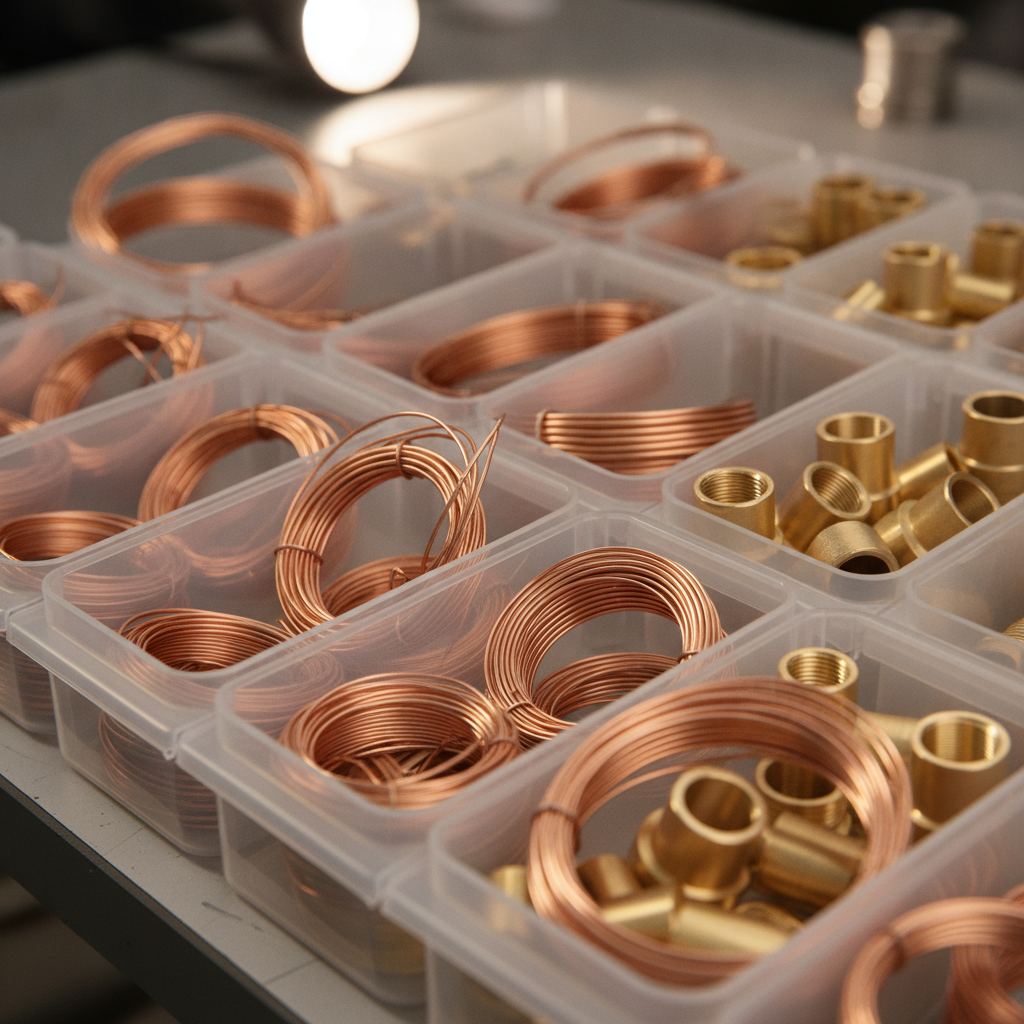
Bare bright copper is generally a cleaner category than insulated copper wire. Copper tubing with solder, paint, brass fittings, or other attachments may be graded differently from clean tubing. Keep bare wire, insulated wire, tubing, and mixed copper pieces in separate containers rather than placing everything in one copper bin.
Strip heavy-gauge insulation only when the likely improvement justifies the labour and the work can be done safely. Avoid damaging the conductor with a blade or stripper. Small quantities of thin wire may not repay extensive preparation, while larger quantities of valuable wire can make organized sorting more worthwhile.
Aluminum
Clean aluminum extrusion, sheet aluminum, cast aluminum, painted pieces, and aluminum connected to steel or plastic may be handled as separate categories. Window and door frames, gutters, siding, rims, and appliance components can contain different combinations of metal and attachments. Remove loose non-metal parts where practical, but do not create unnecessary hazards by dismantling sealed or pressurized equipment.
Brass and stainless steel
Brass faucets, valves, fittings, and hardware may contain rubber cartridges, plastic inserts, steel screws, or other attachments. Keep clean brass separate from heavily mixed plumbing pieces when you can. Stainless steel also varies by item and composition; if you know the source or grade, tell the yard, but do not guess that every shiny metal item is stainless.
Steel, cast iron, and appliances
Steel and cast iron are ferrous materials and are usually identified as a different family from non-ferrous metals. A magnet can help with a first-pass sort, although it cannot determine every grade. Heavy rotors, structural pieces, appliances, and steel furniture can add weight quickly, so secure them carefully and remove only loose, obvious non-metal material when safe.
Electronics and e-waste
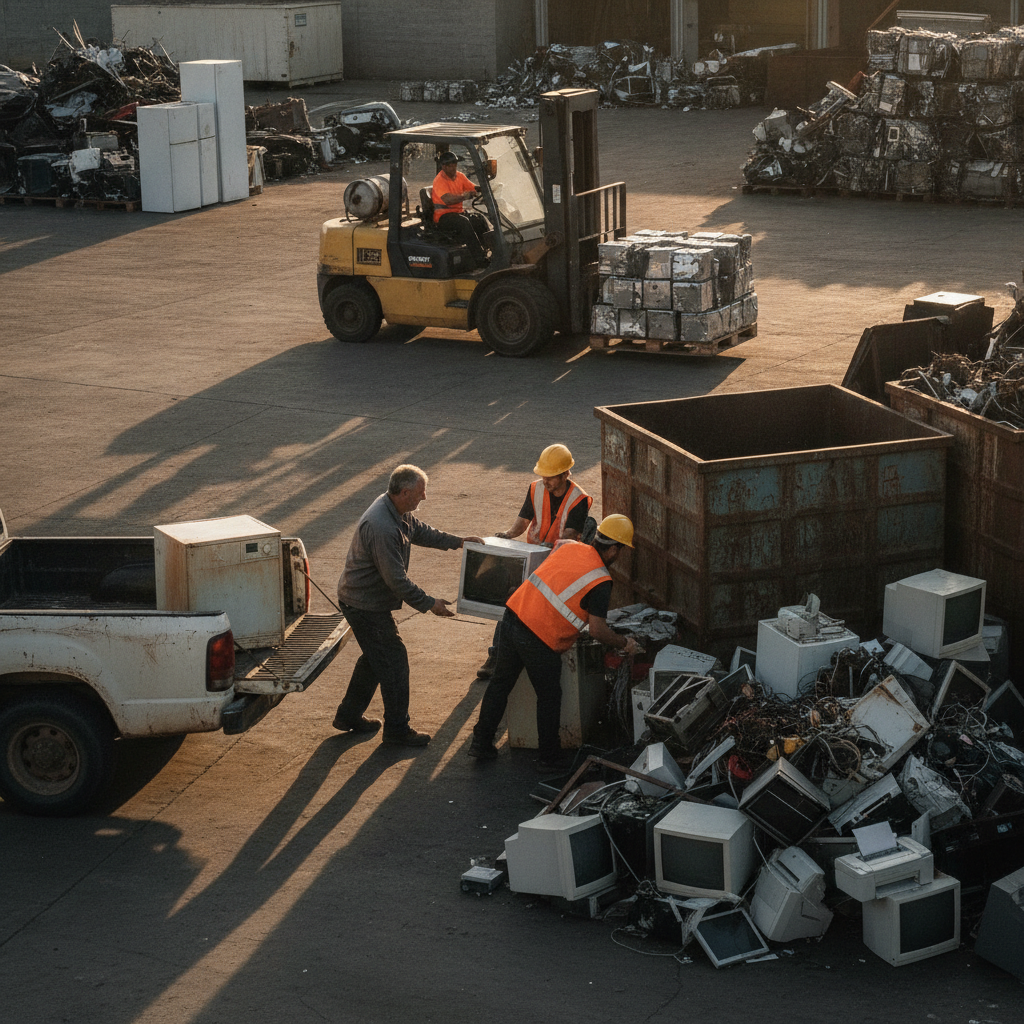
Computers, laptops, circuit boards, televisions, monitors, cables, and peripherals should not automatically be treated as ordinary loose metal. Their value and handling depend on the component category, condition, and recycling process. Keep electronics dry, avoid breaking screens, and do not dismantle unfamiliar equipment merely to chase a higher theoretical grade. Use the Etobicoke computer and electronics recycling guide to organize a technology-heavy load.
How to prepare scrap for a better result
The best preparation is targeted rather than extreme. Your goal is to help the yard identify material, reduce avoidable contamination, and handle the load safely. Do not assume that dismantling every item will increase the final payout; some appliances and electronic equipment should remain intact for safe processing.
Sort before you leave home
Make a first pass with separate bins for ferrous metal, copper, aluminum, brass, stainless steel, e-waste, and mixed items. Then divide the higher-value categories further if you can identify them confidently. Labeling a tote “insulated copper wire,” “clean aluminum extrusion,” or “steel hardware” gives the grader useful information without requiring you to make a final pricing decision.
Remove practical contamination
- Separate plastic, rubber, wood, fabric, and cardboard from loose metal when removal is straightforward.
- Keep copper tubing away from fittings, solder-heavy pieces, and mixed plumbing.
- Remove loose screws and brackets from clean aluminum only when doing so is safe and worthwhile.
- Do not mix batteries, fluids, or hazardous components into ordinary scrap bins.
- Keep e-waste dry and protect boards, screens, and connectors from impact.
Reduce tare without compromising safety
Light plastic totes and mesh baskets can be easier to organize than heavy crates. The objective is not to conceal weight or bypass the yard’s procedure; it is to avoid transporting valuable material in unnecessarily heavy containers. At the scale, ask how gross, tare, and net weights are being recorded so you understand the ticket.
Choose preparation based on value and time
Use a simple decision rule: prepare a material further when you can identify the grade, remove contamination safely, and reasonably expect the improvement to exceed your labour. Do less when the item is low-value, difficult to dismantle, sealed, pressurized, sharp, or likely to create a safety problem. A clean, organized mixed load is often more practical than a dangerous pile of partly dismantled items.
Load and transport safely
Wear gloves, eye protection, and sturdy footwear during handling. Secure long pipe, sheet, appliances, and heavy parts with appropriate tie-downs; place dense items low and forward, protect sharp edges, and prevent loose pieces from moving in transit. Empty or secure appliance doors where appropriate, and follow proper procedures for fluids rather than pouring them onto the ground.
How a scrap yard calculates your payout
Knowing the basic workflow makes a per-pound quote easier to understand. The exact procedure can vary by material and yard, but a transparent transaction normally connects the material category, grade, net weight, and applicable rate.
- Check-in: Describe the load and follow the yard’s instructions for vehicle movement and unloading.
- Initial identification: The team separates or confirms categories such as copper, aluminum, brass, steel, appliances, and electronics.
- Grade review: Visible contamination, attachments, insulation, paint, and mixed material are considered before a grade is assigned.
- Weight recording: Gross and tare are used according to the yard’s scale process to establish payable net weight.
- Rate application: The current buying benchmark for each confirmed category is applied to its net weight.
- Ticket and payment: The transaction is finalized, and qualifying material is paid according to the yard’s process.
| Part of the transaction | Why it matters | What you can do |
|---|---|---|
| Material identity | Different metals enter different processing streams | Use a magnet and keep categories separate |
| Grade | Clean and mixed forms may receive different rates | Remove practical attachments and label bins |
| Net weight | Payment is based on payable material, not unnecessary container weight | Use manageable, lightweight containers |
| Market benchmark | Commodity and local buying conditions change | Ask for a current assessment when you arrive |
For a broader explanation of value factors, read the scrap metal values guide. If your load includes a vehicle, use the scrap car process overview rather than assuming the vehicle’s total value can be calculated from a general metal rate.
Planning a drop-off at an Etobicoke scrap yard
Quick Scrap Metal is located at 407 Rexdale Blvd in Etobicoke, near the Highway 27 and Rexdale area. The business serves Etobicoke, Toronto, Mississauga, Brampton, and the broader GTA. Extended weekday hours and Sunday availability can help households, contractors, and businesses plan around work and renovation schedules.
Before leaving, make a short inventory of your load. Note the approximate number of appliances, bags or bins of wire, lengths of pipe, electronics, and heavy steel. This helps you decide whether you need a larger vehicle, additional tie-downs, assistance unloading, or a call ahead for an unusual item. Sellers who want local preparation ideas can also review this Etobicoke scrap metal recycling guide before organizing the trip.
A practical arrival checklist
- Bring valid government-issued identification if required for the transaction.
- Keep higher-value grades in clearly separated containers.
- Secure sharp, long, heavy, and unstable items before driving.
- Tell staff about batteries, electronics, appliances, fluids, or unusual components.
- Keep a photo record of the load if you are tracking recurring business or renovation scrap.
- Ask questions about grading before unloading a large or mixed load.
Traffic and seasonal clean-outs can affect how long a drop-off takes, but trying to predict the perfect minute is usually less valuable than arriving with a safe, organized load. Contractors can also create a recurring sorting routine at the job site so copper, aluminum, brass, and steel do not become mixed before transport.
Who benefits most from sorting scrap?
Homeowners and garage clean-outs
Homeowners often have a mixed collection of tools, cords, gutters, barbecues, shelving, appliances, and old electronics. Start by separating obvious ferrous items from non-ferrous pieces, then place electronics in sturdy boxes and keep sharp scrap contained. Sorting a garage over several short sessions is safer than rushing to dismantle everything at once.
Trades and renovation contractors
Contractors can protect value by placing copper wire, aluminum offcuts, brass plumbing, and steel studs into dedicated bins at the job site. A simple label and end-of-day transfer routine reduces contamination and makes the eventual scale visit easier. The system also keeps walkways and work areas clearer.
Businesses and office clear-outs
Businesses may have computers, monitors, cabling, shelving, appliances, and packaging to remove together. Keep equipment dry, protect screens, and do not put boards or batteries loose in a bin with heavy steel. A planned drop-off can reduce handling time and make it easier to explain the load’s categories.
How to make better decisions when prices move
Market timing is difficult because local buying rates respond to forces sellers cannot control. Construction and manufacturing demand, global commodity pricing, exchange rates, fuel, shipping, and downstream inventory can all influence the benchmark a yard uses. A price page may show a useful direction while still being too broad to predict your exact payout.
Focus instead on repeatable improvements: keep a clean sorting station, store valuable grades separately, record approximate weights, and combine small quantities when safe and practical. For a small homeowner load, convenience may outweigh waiting for a marginal market movement. For a contractor or business with regular volume, consistent categories and reliable visits can make the process more efficient.
Do not store scrap indefinitely if it creates a fire, trip, pest, or security problem. The best selling schedule balances market awareness with safe storage, available space, transport cost, and your time. If the load is ready and safely transportable, a clear assessment is usually more useful than trying to forecast every short-term price change.
Frequently asked questions
What is the current scrap metal price per pound in Etobicoke?
There is no single current rate for all scrap metal. The amount depends on the specific material, grade, contamination, net weight, and market conditions when the load is assessed. Published Toronto-area figures can help with planning, but they are not a guaranteed Quick Scrap Metal quote.
Which scrap metal usually has the highest price per pound?
Higher-value categories commonly include certain clean, non-ferrous grades, but the exact ranking and rate can change. Bare bright copper, insulated wire, brass, aluminum, stainless steel, and mixed materials are not priced identically. Ask the yard to identify the grade rather than relying on colour or a general online table.
Does cleaning scrap metal increase the payout?
Removing practical contamination can improve grading or reduce deductions, but cleaning does not guarantee a particular rate. Separate materials, remove loose non-metal parts when safe, and avoid dismantling sealed, pressurized, sharp, or unfamiliar equipment. Consider whether the time and risk of extra preparation are justified by the material’s likely value.
What should I bring to an Etobicoke scrap yard?
Bring sorted materials in secure containers, valid government-issued identification if required, and suitable tie-downs or protective equipment for heavy or sharp items. Keep electronics dry and protect screens and circuit boards. Describe unusual materials at check-in and follow staff directions for unloading.
Plan your next scrap metal drop-off
A better scrap metal price per pound starts before you reach the scale. Identify the metal, separate realistic grades, remove safe and obvious contamination, use light containers, and treat online prices as planning information rather than a promise. Those steps make the final assessment clearer while reducing avoidable delays and handling risks.
When you are ready, review the scrap car and vehicle options if an automobile is part of the project, then organize the remaining metal, appliances, or electronics for an Etobicoke drop-off at Quick Scrap Metal. For general questions about accepted materials and the drop-off process, contact Quick Scrap Metal through the official Quick Scrap Metal website.