
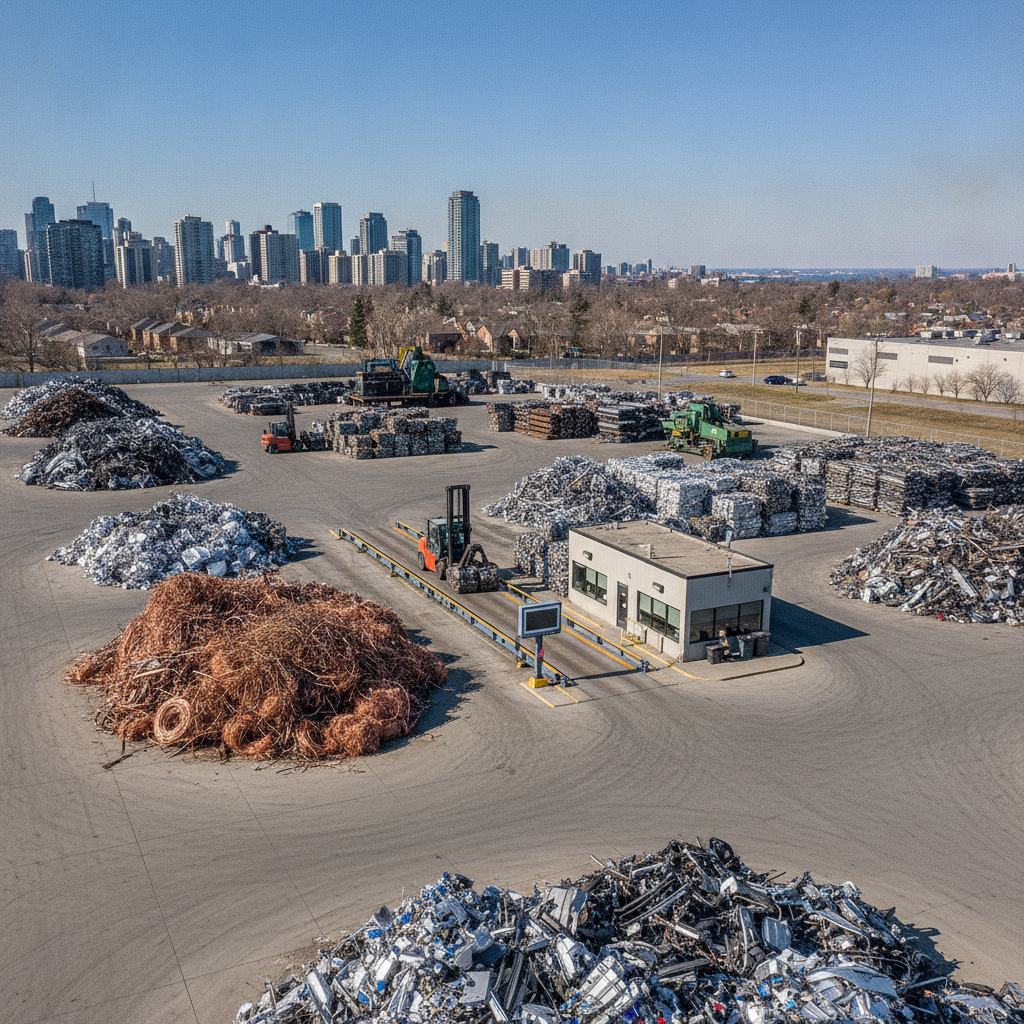
Scrap metal rates are the market-based payout values scrap yards offer for metals like copper, aluminum, steel, and brass. Rates shift daily with global exchanges, local supply, purity, and timing. In Etobicoke, Quick Scrap Metal streamlines the process, paying on the spot and maximizing value when your materials are sorted, clean, and ready to scale.
By Preet Dass — Quick Scrap Metal • Last updated: July 6, 2026
Start here: your quick hook and table of contents
Use this guide to understand scrap metal rates in Etobicoke, what drives payouts, and how to prepare metals for top returns. You’ll learn sorting tips, yard workflow, and real examples from Quick Scrap Metal so you can turn clutter into cash fast—without guesswork or wasted trips.
Here’s how to use this page effectively:
- Get a plain-English definition of scrap metal rates and how yards set them.
- Learn what matters most: metal type, grade, weight, prep, and timing.
- Follow step-by-step prep to boost payouts (no complex gear required).
- See local nuances for Etobicoke, including drop-off rhythms and routes.
- Bookmark tactical checklists you can reuse on every scrap run.
- Overview: scrap metal rates in 2026
- What are scrap metal rates?
- Why rates matter in Etobicoke
- How scrap metal rates work (and your role)
- Types of metals and rate drivers
- Best practices to boost your payout
- Tools and resources
- Case studies and real examples
- Frequently asked questions
- Key takeaways
- Conclusion and next steps
Overview: scrap metal rates in 2026
Scrap metal rates in 2026 reflect strong industrial demand, regional logistics, and recycled content targets. For sellers in Etobicoke, the best way to capture value is by delivering sorted, clean loads during steady yard hours, verifying acceptable items in advance, and using on-site scales for transparent, on-the-spot payouts.
In our experience, today’s recycling supply chain rewards clean, consistent feedstock. When you remove plastic, insulation, oil, and debris, you protect grade—grade protects value. That simple rule applies to copper wire, aluminum extrusions, stainless offcuts, and everyday steel.
Expect intraday variability. Markets for copper and aluminum mirror exchange sentiment; steel trends track mill demand and construction schedules. Weather and road conditions still matter because heavy traffic or storms can delay downstream movement and affect yard flow.
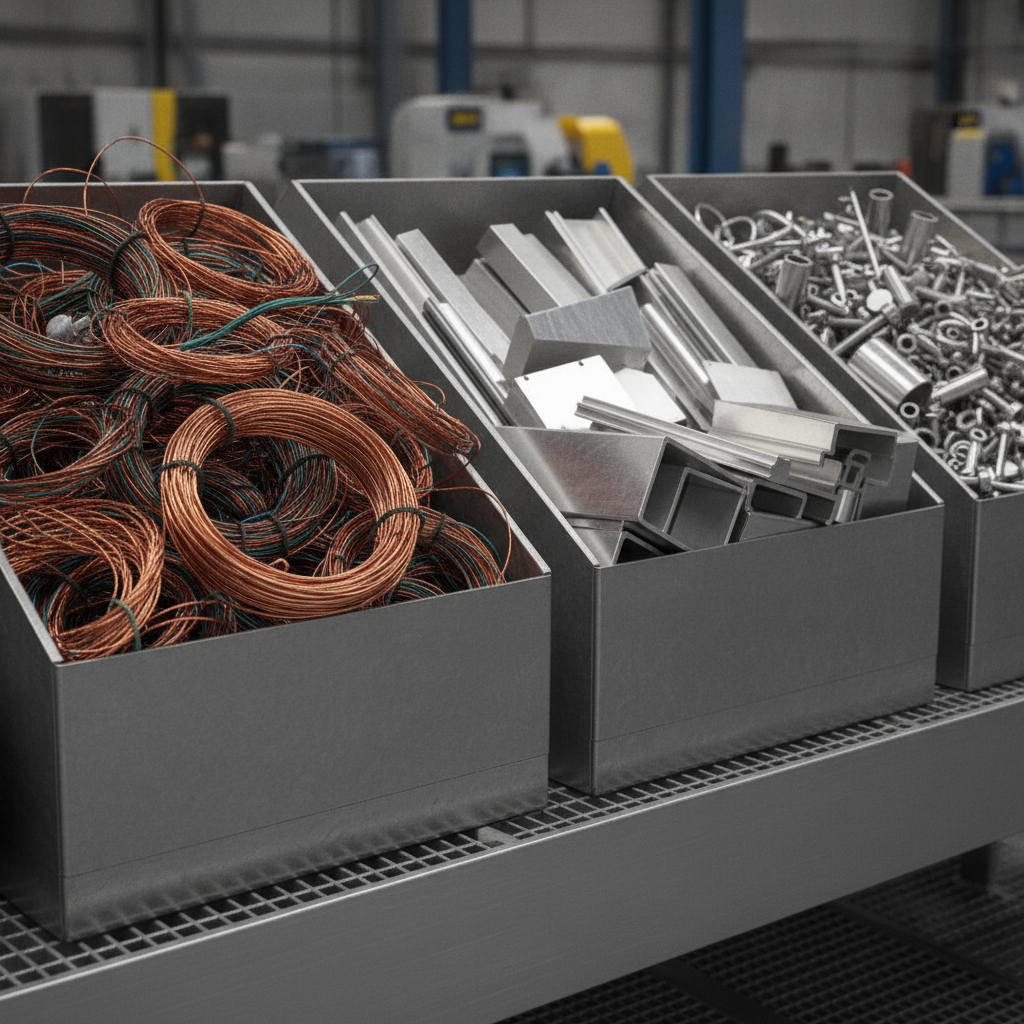
For a deeper dive into material-specific factors, we expand on the nuances below. If you’re planning a larger drop-off, our scrap pricing overview explains how to align prep with market conditions while keeping your trip efficient and quick.
What are scrap metal rates?
Scrap metal rates are the real-time payout values a yard offers for specific metals and grades. They move with exchange prices, local supply, processing costs, and quality. Sellers influence rates by improving cleanliness, sorting by alloy, and bringing sufficient weight for accurate, efficient scaling.
Think of rates as a translation layer between world markets and your bin of metal. Exchanges signal direction; transportation and processing shape local realities; grade and prep determine the final yard value. Your actions—sorting, stripping, and keeping loads dry—can meaningfully improve outcomes.
Metals fall into broad families with distinct behaviors:
- Non-ferrous: Copper, aluminum, brass, lead, and nickel typically command higher returns due to conductivity and corrosion resistance.
- Ferrous: Steel and iron are high-volume staples; cleanliness and density (e.g., rotors vs. light tin) help performance.
- Stainless and specialty: Chromium/nickel content drives value; separating magnetic from non-magnetic stainless prevents downgrades.
Our yard buys ferrous and non-ferrous metals and also accepts appliances and e-waste—one stop for mixed loads. If you’re unsure about a specific item, check our accepted materials guide before you head out.
Why scrap metal rates matter in Etobicoke
Rates determine real money in your pocket and help keep materials in circulation. In Etobicoke, optimizing prep and timing at Quick Scrap Metal turns clutter into fast cash, supports local industry demand, and reduces landfill pressure across Toronto and the GTA.
Here’s the thing: smart preparation compounds. Clean copper wire sells better than tangled, insulated wire. Sorted aluminum extrusions avoid mixed-alloy downgrades. A rinsed, drained appliance with removed shelves moves faster and safer through the yard.
- Environmental upside: Recycling metal preserves resources and reduces energy versus primary production.
- Local benefit: Steady scrap flows support mills, foundries, and manufacturers across the region.
- Household wins: Clearing basements and garages declutters, improves safety, and pays out immediately at the scale.
We’ve found that regular sellers—homeowners, contractors, and small shops—save time by pre-sorting at the source. For more tactical steps, scan our junk removal and prep guide that maps out quick wins before you load the truck.
How scrap metal rates work (and your role)
Yards translate market signals into posted buying categories, then adjust for grade, weight, and handling. Your role is to present metal that’s sorted, clean, and safe to process so the scale ticket reflects the highest qualifying grade without downgrades.
Below is a practical snapshot of how a typical visit flows at Quick Scrap Metal—and the levers you control.
| Factor | What it means | Your best move |
|---|---|---|
| Metal family | Non-ferrous (copper, aluminum, brass) vs. ferrous (steel, iron) | Separate families into distinct bins or piles |
| Grade/cleanliness | Presence of coatings, oil, plastic, rubber, or mixed alloys | Strip insulation, remove screws/fittings, wipe off oil |
| Weight/density | Accurate scaling and efficient handling | Bundle loose items; keep bins stable and safe |
| Timing | Yard traffic and downstream trucking schedules | Visit during steady hours; avoid weather rushes |
| Documentation | Compliance for certain items (e.g., appliances) | Confirm acceptance and prep on our site before drop-off |
Actionable sequence to keep things smooth:
- Sort at home or job site into ferrous, non-ferrous, stainless/specialty, and e-waste.
- Prep: strip, remove fasteners, drain fluids, and keep items dry and visible.
- Load with safety in mind; stage bins so unloading is quick and clear.
- At the yard, follow lane directions, scale in, and review the ticket.
- Get paid on the spot—fast, easy, and transparent.
For vehicle-specific scenarios, our scrap car rates guide explains titles, fluids, and what to bring when retiring an old vehicle.
Types of metals and the drivers behind their rates
Different metals respond to different market forces. Copper tracks electrical demand, aluminum follows packaging and construction cycles, and steel mirrors mill utilization. Clean, separated grades consistently outperform mixed, contaminated loads at the scale.
Copper and wires
- Why it matters: Copper’s conductivity keeps it in high demand across power, EVs, and building projects.
- What boosts value: Stripping insulation where practical, separating bright bare copper from mixed wire, and keeping it dry.
- Common mistakes: Mixing painted pipe with bright wire; leaving brass fittings attached.
Aluminum (extrusions, plate, cast)
- Why it matters: Lightweight and corrosion-resistant; used in windows, doors, and transportation.
- What boosts value: Separate clean extrusions from dirty painted stock; isolate cast parts.
- Common mistakes: Screws and steel inserts left in frames; mixed alloys in one bin.
Steel and iron
- Why it matters: Steel is the backbone of infrastructure; density and cleanliness accelerate processing.
- What boosts value: Group heavy rotors and plate separate from light tin; remove excessive non-metal.
- Common mistakes: Oil-soaked parts, sealed containers, or pressurized cylinders.
Stainless and specialty alloys
- Why it matters: Nickel and chromium content adds corrosion resistance and unique properties.
- What boosts value: Magnet test to separate 300-series from 400-series; avoid mixing with plain steel.
- Common mistakes: Assuming all shiny metal is the same; screws and rubber still attached.
Need a quick steel refresher? Our steel value guide walks through dense vs. light categories so you can load the truck with confidence.
Best practices to boost your payout
The fastest way to capture better scrap metal rates is to deliver clean, sorted, safe-to-handle materials. Strip what’s practical, separate by family and grade, keep loads dry, and confirm acceptance for appliances and e-waste before you roll out.
Simple prep that pays off
- Sort first: Ferrous vs. non-ferrous, then by grade (e.g., bright copper vs. mixed wire).
- Cut and strip wisely: Remove insulation or fittings when it’s quick and safe; don’t overwork low-yield items.
- Keep it clean: Wipe oil, drain fluids, and remove non-metal attachments to avoid downgrades.
- Stage your load: Pack by category so unloading is efficient and the scale read is accurate.
- Ask before you go: Appliances and certain electronics have prep rules; confirm on our site.
Local considerations for Etobicoke
- Plan drop-offs to avoid peak retail traffic near Woodbine Mall & Fantasy Fair; earlier daytime windows are usually smoother.
- Winter and shoulder seasons can affect yard flow and traction; keep loads covered and dry for cleaner grades.
- For quick routing, stage mixed metals and e-waste separately so staff can guide you to the right lanes without delays.
When in doubt, bring a small magnet, basic hand tools, and gloves. A five-minute sort can preserve grade on a full bin—over a season, that consistency adds up.
Tools and resources
You don’t need a shop full of gear to win on scrap metal rates. A magnet, side cutters, a crescent wrench, sturdy bins, and a tarp will handle most home and small-trade scenarios. Use our online guides to check accepted items and prep steps before you drive.
- Reference guides: See our pricing overview and accepted materials.
- Vehicle retirement: Explore local options for end-of-life cars via scrap car programs and their service details.
- Construction context: Learn how downstream use influences steel demand by reviewing steel framing use in the GTA.
- On-site help: Our team can direct you to the right bay and advise quick prep once we see your load.
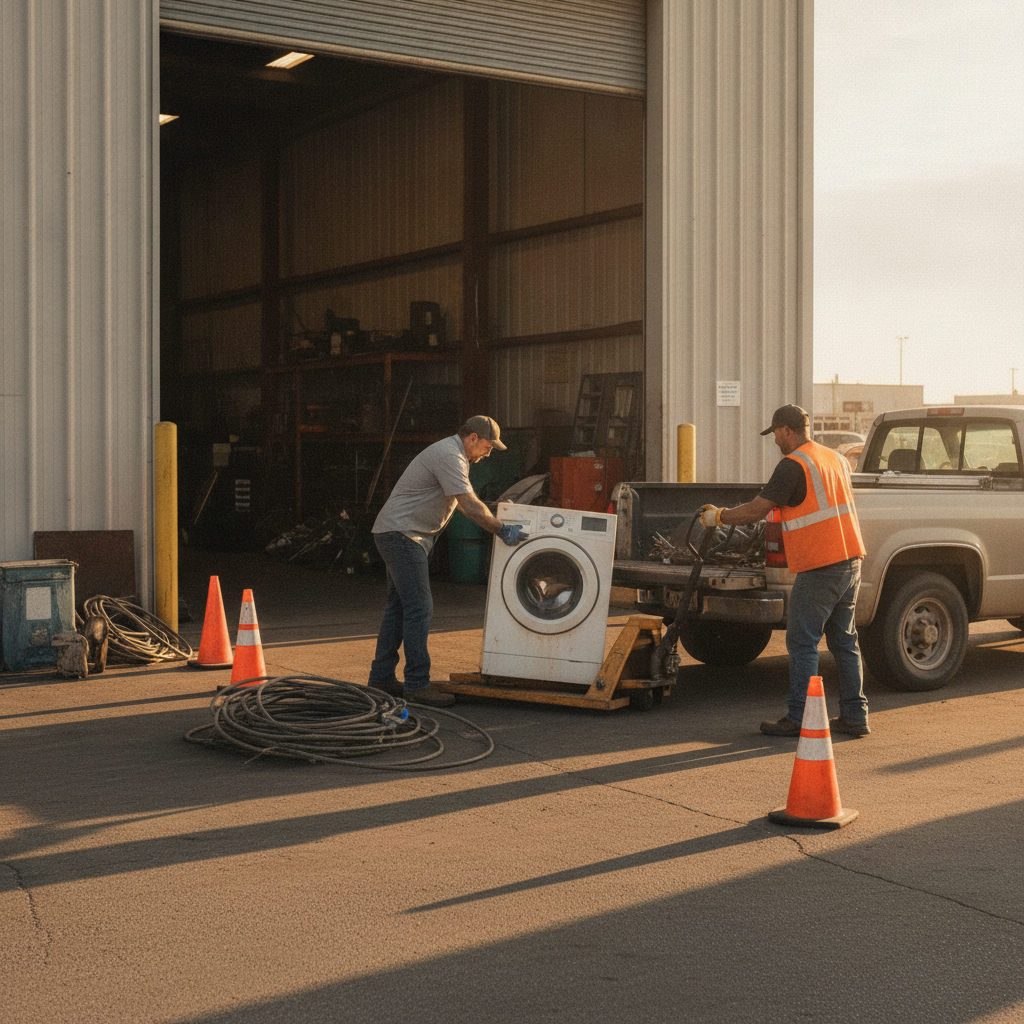
Prefer a curbside option? We offer household scrap removal and scrap car drop-off or pickup—check site details and availability in your area.
Case studies and real examples
Small preparation steps deliver outsized results. Across copper wire, aluminum frames, and mixed steel, simple sorting and fastener removal preserved higher grades and faster processing—translating to stronger outcomes at the scale and a quicker, safer visit.
Home renovation bundle (Etobicoke)
- Scenario: A homeowner brought aluminum window frames, copper offcuts, and a retired dishwasher.
- Action: Separated extrusions from cast, removed steel screws, drained the appliance, and taped shelves.
- Result: Clean categories, no downgrades, rapid check-in, and on-the-spot payout.
Contractor offcuts
- Scenario: An electrical contractor staged bright copper, mixed insulated wire, and stainless scrap.
- Action: Stripped short, high-gauge leads; kept mixed wire intact; magnet-tested stainless.
- Result: Top qualifying grade on bright copper; efficient handling for mixed wire and stainless.
Garage cleanout near Flagstaff Park
- Scenario: Mixed steel (rotors, light tin), old tools, and an A/C unit.
- Action: Grouped heavy items, drained residual fluids from the A/C, removed non-metal parts.
- Result: Faster unloading lanes, safer handling, and a smoother scale ticket.
For vehicle retirements and end-of-life parts, compare lane considerations in our scrap car overview before scheduling a pickup or drop-off.
Frequently asked questions
These quick answers cover what most Etobicoke sellers ask about scrap metal rates, preparation, accepted items, and visit timing. Each reply is direct and practical so you can plan a single, efficient trip and get paid on the spot.
How can I influence the scrap metal rate I receive?
Sort by metal family and grade, remove obvious contaminants, and keep items dry. Bring enough weight for a reliable scale read, and avoid peak congestion. Clean, separated materials typically qualify for stronger grades and smoother processing at the yard.
Do you accept appliances and e-waste with my metal load?
Yes. Quick Scrap Metal accepts a wide range of appliances and electronics. Some items require prep—like draining, removing shelves, or separating cords—so check our accepted materials page and arrive with items staged for quick unloading.
What’s the best time to visit your Etobicoke yard?
Weekday daylight hours usually offer steady traffic. Avoid heavy retail peaks or weather rushes. We’re open late on weekdays and open Sundays, so you can choose off-peak windows that match your schedule for a faster check-in.
Can I bring a scrap car with my metal?
Yes—plan ahead for titles and fluids, and coordinate drop-off or pickup. Review our scrap car guidance and bring keys and ID. If needed, explore local vehicle retirement programs to align timing and logistics.
Key takeaways
Clean prep, smart sorting, and good timing are the three biggest levers for better scrap metal rates. Control what you can: grade, safety, and organization. Then let the scale do its job for a transparent, on-the-spot payout at Quick Scrap Metal.
- Sort by family and grade; keep non-metal attachments out.
- Stage loads so unloading is quick and safe.
- Confirm acceptance for appliances and e-waste before you drive.
- Use steady-hour windows to move through scales faster.
- Ask our team for a quick lane check—five minutes well spent.
Conclusion and next steps
Scrap metal rates reward preparation. When you bring clean, organized materials to our Etobicoke yard, you capture the highest qualifying grade and minimize surprises. Plan your run, sort smart, and use our team as a resource—so you leave with cash and a clear space.
Ready to move? Scan our pricing overview, confirm items in the accepted list, and review scrap car guidance if you’re retiring a vehicle. We’re here to make it EASY | FAST | CONVENIENT.