
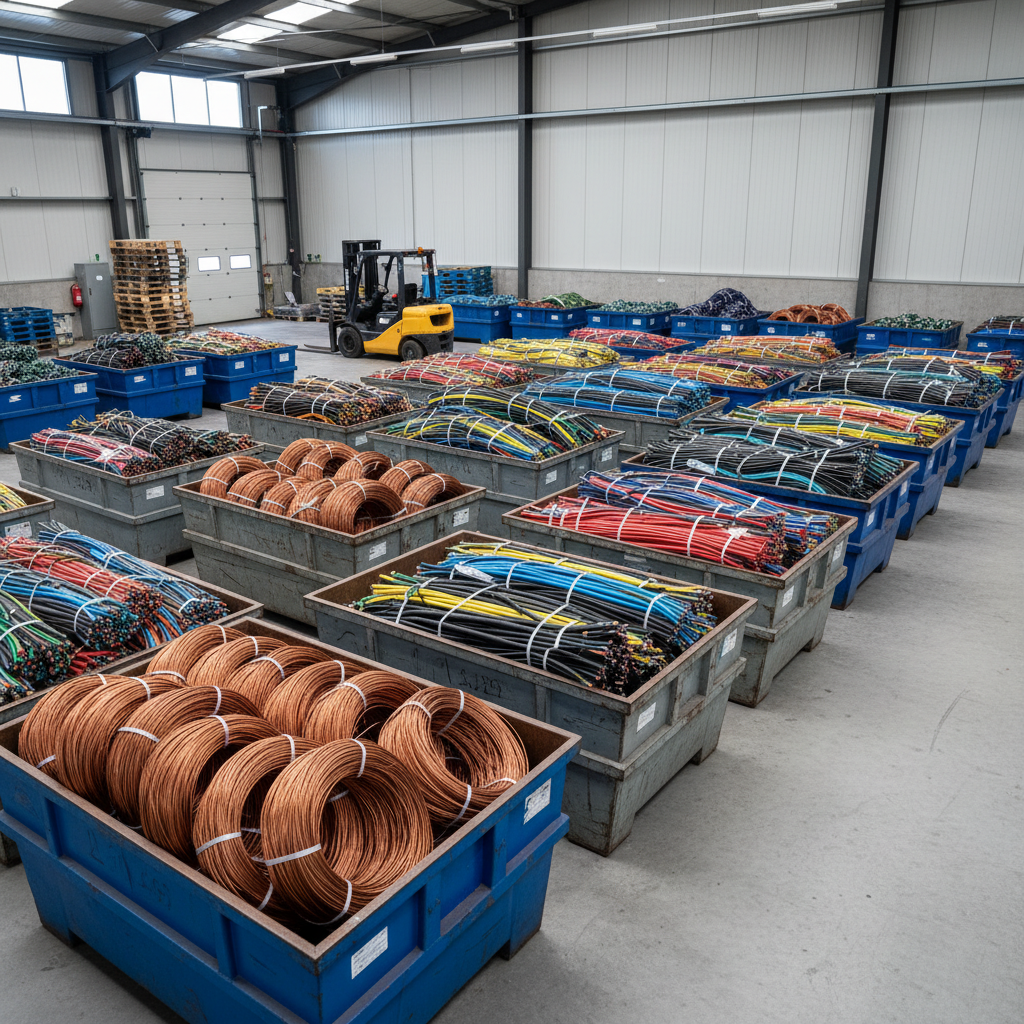
Copper wire recycling is the process of recovering copper from electrical cables and wires for reuse in manufacturing. At Quick Scrap Metal’s Etobicoke yard (407 Rexdale Blvd), you can drop off cables and wire for fast, responsible processing. Sort, separate, and safely prep your wire to boost your payout and reduce landfill waste.
By Preet Dass — Quick Scrap Metal • Last updated: 2026-06-06
Quick Summary
Copper wire recycling turns old electrical cables into reusable copper. In Etobicoke and the Toronto area, the fastest way to maximize payout is to separate wire by grade, strip where it makes sense, and bring it to 407 Rexdale Blvd. Clean, sorted loads move quicker and earn stronger returns.
If you’re in Etobicoke or greater Toronto, this guide shows exactly how to prep, sort, and drop off copper wire for smooth check-in and immediate payment. We’ll cover the steps, tools, safety, and real examples from local homeowners, trades, and small businesses.
- What copper wire recycling is and why it matters
- Which wire grades earn more and how to identify them
- Step-by-step prep before your yard visit
- Tools, safety gear, and time-saving tips
- Local drop-off guidance for Etobicoke and Toronto
- Sell locally: visit 407 Rexdale Blvd (near HWY 27 & Rexdale)
- Open late on weekdays and Sundays for convenient drop-off
- One-stop yard for metals, appliances, and electronics
Jump to a section:
- What is copper wire recycling?
- Why copper wire recycling matters
- How copper wire recycling works (step-by-step)
- Types of copper wire and grades
- Best practices to maximize payout
- Tools, safety gear, and resources
- Case studies and real-world examples
- Local tips for Etobicoke and Toronto
- FAQ
- Key takeaways
- Conclusion and next steps
What Is Copper Wire Recycling?
Copper wire recycling is the recovery, separation, and processing of copper from electrical cables so it can be melted and reused. Clean, high-purity copper—especially bare bright—commands the strongest returns. Sorting and safe stripping at home prepares loads for faster grading and instant yard transactions.
In simple terms, you’re turning unused, outdated, or damaged electrical wire into valuable raw material. Copper is highly recyclable without losing performance, so manufacturers prefer recycled feedstock when it’s clean and consistent. That’s why preparation matters: a clean, organized load is easier to grade accurately on arrival.
Quick Scrap Metal accepts a wide range of wire and cables alongside other non-ferrous metals, appliances, and electronics. If you’re mainly dealing with copper, pairing wire drop-offs with other items you already plan to recycle can save time and keep your space uncluttered. It’s a one-stop approach that serves homeowners, trades, and small businesses across the GTA.
Want a deeper dive into metals beyond wire? Browse our scrap metal recycling overview for context on ferrous versus non-ferrous, plus what else to bring when you visit.
Why Copper Wire Recycling Matters
Copper wire recycling keeps valuable metal in circulation, reduces mining demand, and declutters homes and job sites. In Etobicoke and Toronto, organized drop-offs save time at the scale and support responsible, local recycling. Clean wire is easier to process and helps stabilize regional supply chains.
Recycling copper supports three priorities: environmental responsibility, materials security, and everyday convenience. Copper retains its properties through many recycling loops, so every pound you return becomes feedstock for new products. That reduces the need for new extraction and the energy required to produce virgin material.
There’s also the practical side. Households and contractors often accumulate extension cords, appliance leads, and demolition wire. Rather than letting it pile up, you can convert it to same-day value and free up storage. Because Quick Scrap Metal is open late on weekdays and open Sundays, you can match drop-offs to your schedule instead of losing time during work hours.
If you’re preparing a larger cleanout or a mixed load that includes electronics, see our electronics recycling guide for what we accept and how to prep items like laptops, monitors, and small devices.
How Copper Wire Recycling Works: Step-by-Step
Maximize copper wire returns by grouping similar cables, removing non-metal attachments, and stripping only when it’s practical. Bag or bin each grade, label it, and load safely. At 407 Rexdale Blvd, your sorted wire is weighed, graded, and paid out on the spot.
Here’s a clean, repeatable process you can follow before heading to the yard. It keeps you safe and speeds up your visit.
- Gather and inspect. Collect all cords, cables, and wire. Remove obvious hazards like live ends or batteries. Keep wet items separate until they’re dry.
- Sort by type. Separate bare bright, #1 insulated, #2 insulated, communication (low-voltage), and appliance cords. Consistency helps accurate grading.
- Decide on stripping. Strip when insulation is loose and copper looks clean. If insulation is thick or tarred, leave it insulated and sort by category; don’t burn wire—ever.
- Remove attachments. Cut off plugs, breakers, and fixtures. Separate steel staples and screws. Keep copper-only where possible.
- Bundle and label. Coil wire neatly. Use tape or zip-ties. Mark bags or totes: “Bare bright,” “#1 insulated,” etc. Neat loads move faster at intake.
- Safety check. Gloves, eye protection, and a clear work area. Keep blades sharp and cut away from your body.
- Transport. Load heavier totes first. Keep bins upright. Bring ID if required and know your drop-off plan.
- Drop off. Drive to Quick Scrap Metal, 407 Rexdale Blvd. Follow yard directions, weigh-in, review grading, and get paid.
For a refresher on maximizing returns across all metals, scan our best-price checklist—the same habits translate well to copper wire.
Types of Copper Wire and Grades
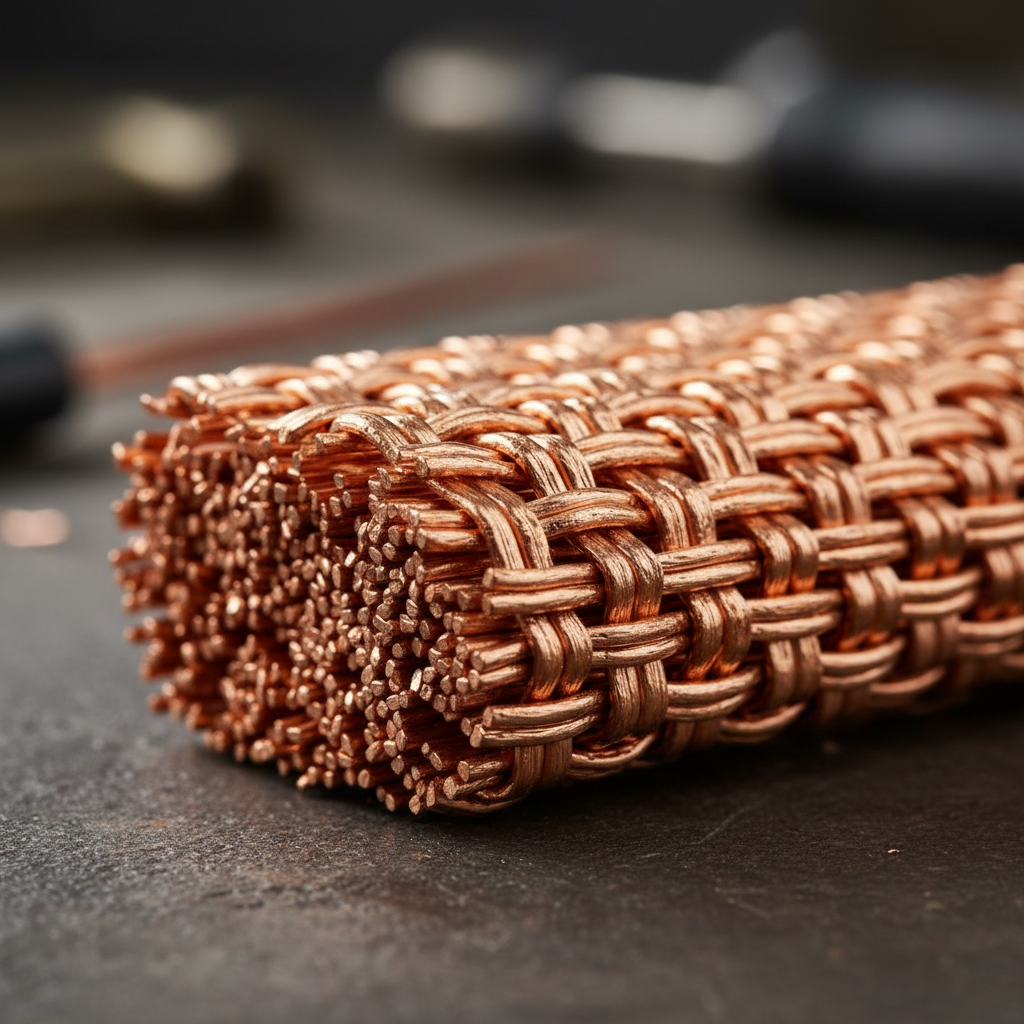
Copper wire is typically graded as bare bright, #1 insulated, #2 insulated, and communication/low-voltage. Cleaner, thicker copper with minimal contamination earns stronger returns. Learn the quick visual cues—shine, strand thickness, and insulation—to sort accurately before the scale.
Knowing the main categories makes sorting simple and consistent across loads. You don’t need lab gear—just a good eye and, sometimes, a quick test scrape to verify what’s under the jacket.
Common copper wire categories
- Bare bright copper: Shiny, uncoated, unalloyed copper wire—usually recently stripped. No solder, paint, or tarnish.
- #1 insulated copper: Clean copper conductors with high copper content and relatively thin insulation. Minimal oxidation.
- #2 insulated copper: Copper with heavier or dirtier insulation, some oxidation, solder, or paint; often from older installations.
- Communication/low-voltage: Data, telecom, coaxial, or alarm wire with small-gauge copper. Often mixed materials; sort consistently.
- Appliance cords: Mixed household cords from microwaves, vacuums, or small appliances—keep them together for quick grading.
Use this quick-reference table while you prep:
| Wire type | Quick identifier | Prep tips |
|---|---|---|
| Bare bright | Shiny, uncoated strands; no solder or paint | Bundle gently; don’t kink; keep absolutely clean |
| #1 insulated | Thicker copper strands; thin, flexible jackets | Trim plugs; strip only if efficient; keep dry |
| #2 insulated | Older or oxidized copper; heavy/tacky insulation | Avoid burning; sort by consistency; leave jackets on if stubborn |
| Communication | Small-gauge data/telecom; coax with shielding | Keep separate from power wire; don’t mix with bare bright |
| Appliance cords | Household cords with molded plugs | Clip ends; coil neatly; group by household source |
Examples help. Heavy-gauge shop leads and welding cable typically fall into higher-copper-content categories when clean and consistent. For a pictorial sense of construction and jacket styles, browse this welding cable collection—it shows how thick copper conductors and flexible jackets are built in practice.
Best Practices to Maximize Your Payout
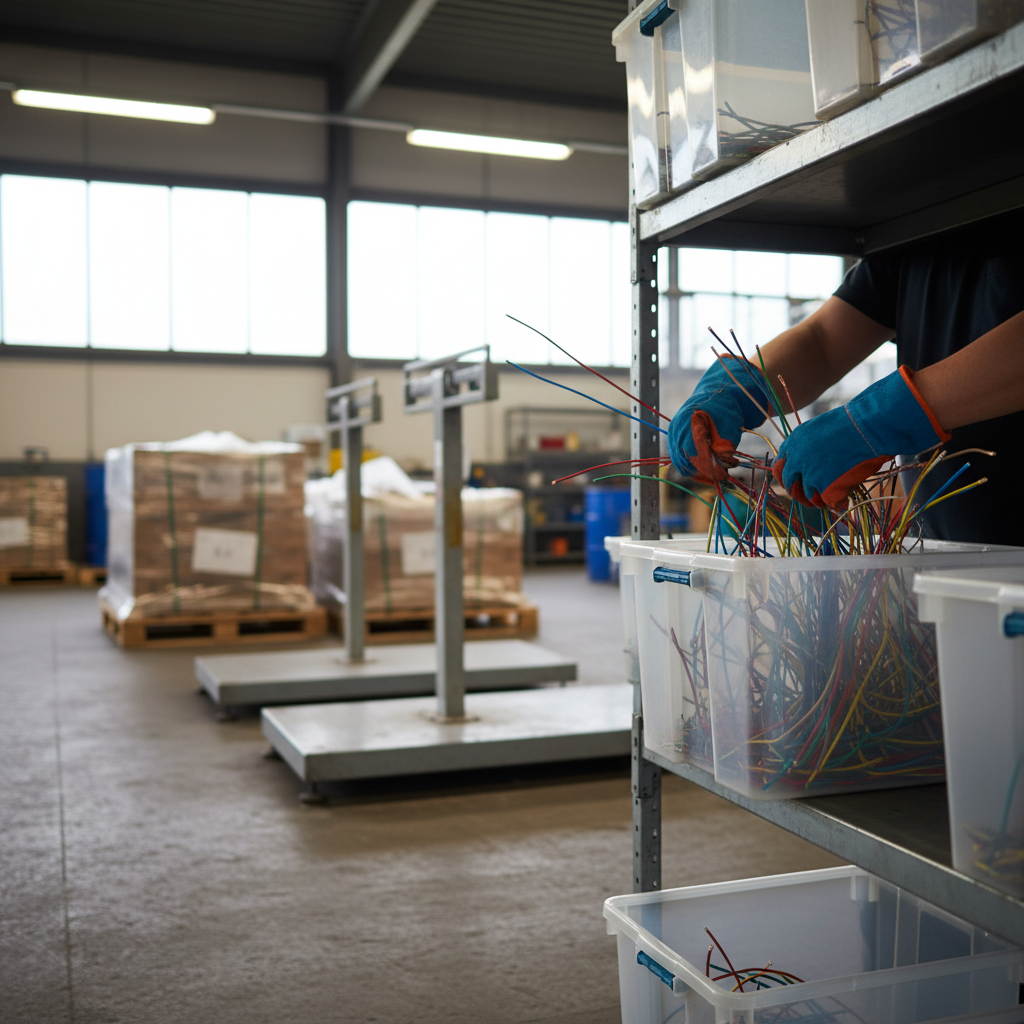
Sort wire by category, keep it dry and clean, and strip only when the copper recovery outweighs your time. Remove plugs and attachments, coil neatly, and label totes. At the yard, a tidy, consistent load earns quicker grading and stronger overall returns.
Preparation habits that pay
- Stay consistent: Don’t mix bare bright with #1 or #2 insulated. Keep categories pure to avoid downgrades.
- Keep it clean: Dirt, tar, and paint reduce quality. Wipe down where easy; don’t use solvents that leave residue.
- Don’t burn insulation: Burning damages copper and is unsafe. It also creates contamination that can downgrade quality.
- Strip smart: Use a quality stripper on pliable jackets. If you’re fighting the insulation, stop and sort as #1 or #2 insulated.
- Clip ends: Remove plugs, breakers, and fixtures so copper weight isn’t diluted by non-copper attachments.
- Bundle by weight: Heavy coils in sturdy totes; lighter rolls in bags. Label everything for faster intake.
Yard-day checklist
- Photo ID if requested
- Gloves for unloading
- Clearly labeled totes/bags
- Separate tub for non-copper attachments
- Plan to combine with other metals or e-waste to save time
Ready to turn prep into payout? Skim our quick scrap copper reference and then head to 407 Rexdale Blvd. We’re open late on weekdays and open Sundays so you can fit drop-offs around real life.
Tools, Safety Gear, and Resources
Use a basic toolkit: wire stripper, side cutters, utility knife with fresh blades, work gloves, eye protection, totes/bags, and labels. A magnet helps spot steel attachments. Keep your workspace clear, cut away from your body, and handle coils cautiously to prevent snap-back.
Toolkit for faster prep
- Wire stripper: Adjustable for different gauges; speeds up clean stripping on flexible jackets.
- Side cutters: Clip plugs, zip ties, and small hardware fast.
- Utility knife: Fresh blades only; light pressure along insulation—then peel, don’t pry.
- Pliers: Helpful for stubborn connectors or staples.
- Magnet: Flags steel staples and screws for quick removal.
- Totes and bags: Durable containers for each grade; label them clearly.
Safety first
- Gloves protect against wire whiskers and jacket edges.
- Eye protection is a must when cutting or pulling staples.
- Keep cuts shallow to avoid nicking copper strands.
- Coil slowly to prevent snap-back and kinks.
- Never burn off insulation—it’s unsafe and degrades copper.
Because Quick Scrap Metal is a one-stop yard, it’s efficient to pair wire with small appliances or electronics in a single run. If you’re planning a bigger cleanout, our household scrap removal guide outlines simple ways to stage mixed items for fast unloading.
Case Studies and Real-World Examples
Clean sorting, smart stripping, and tidy packaging consistently improve yard-day outcomes. Homeowners, trades, and small businesses all benefit from the same habits: keep categories pure, remove attachments, and plan your drop-off route to minimize downtime.
Homeowner in North Etobicoke
A homeowner gathered five years of extension cords, lamp leads, and old appliance cords. They clipped plugs, separated appliance cords from low-voltage lines, and stripped only the easy jackets. The result: a quick visit, clear grading, and a much cleaner basement—plus a same-day payout to show for the effort.
Electrical contractor serving Toronto
A small contractor staged weekly offcuts by job: bare bright from panel work, #1 insulated from recent pulls, and #2 insulated from demo. They bundled each category in stackable totes with labels. With this system, drop-offs at 407 Rexdale Blvd are in and out, keeping the crew focused on billable work instead of sorting at the yard.
Auto shop harness cleanup
An independent shop collected wiring harness offcuts and alternator leads over several months. They trimmed connectors, binned harness wire separate from battery cables, and combined the visit with other non-ferrous drop-offs. For broader context on end-of-life vehicles and removal workflows, this auto scrapping resource outlines typical steps in the process.
Recycled metals also underpin construction supply chains. Clean stream separation at the recycling stage supports consistent downstream products used in building projects—everything from fixtures to reinforcement. For a plain-language overview of how recycled steel returns to job sites, see this construction rebar guide.
Local Tips for Etobicoke and Toronto
Plan your visit around traffic near HWY 27 & Rexdale and use labeled totes for faster check-in. If you’re bundling a family shopping trip to Woodbine Mall & Fantasy Fair, stage your load the night before and unload first. Quick Scrap Metal’s extended hours make timing flexible.
Local considerations for Etobicoke
- Time your trip: Late afternoons can be busy; aim for mid-morning or early evening. Combine wire drop-offs with other metals to reduce runs.
- Seasonal prep: In wet or snowy weather, keep wire dry to avoid mess and weight variance. Stage totes indoors the night before.
- Neighborhood logistics: If you’ll be near Woodbine Mall & Fantasy Fair, plan your route to unload at 407 Rexdale Blvd first, then park and shop.
If you have mixed materials—like appliances, electronics, and copper wire—one stop is usually faster than multiple trips. Our team can help you stage the unload so wire stays sorted and clean at the scale.
Soft CTA: Ready to recycle wire today? Bring your sorted copper to Quick Scrap Metal, 407 Rexdale Blvd, Etobicoke. We’re open late on weekdays and open Sundays for convenient drop-offs—and we pay out on the spot for qualifying scrap.
FAQ: Copper Wire Recycling
Common copper wire questions focus on stripping, sorting, and what to bring on yard day. Strip only when it’s easy and safe, keep categories pure, and remove non-copper attachments. Bring labeled totes for quicker grading and same-day payout after weigh-in.
Should I strip all my insulated wire?
No. Strip only when the jacket peels easily and the copper underneath is clean. If insulation is thick, tarred, or stubborn, sort it as #1 or #2 insulated instead. Never burn off insulation—it’s unsafe and can downgrade copper quality.
How do I tell bare bright from #1 insulated?
Bare bright is shiny, uncoated copper with no solder or paint—usually recently stripped. #1 insulated has clean copper with a relatively thin, flexible jacket. If the copper looks oxidized or the insulation is heavy, it typically falls into #2 insulated.
Can I bring mixed loads with electronics and appliances?
Yes. Quick Scrap Metal is a one-stop drop-off for metals, appliances, and e-waste. Keep wire sorted in its own labeled totes, and stage electronics and appliances separately for efficient unloading and grading.
What helps speed up my yard visit the most?
Neat, clearly labeled categories. Remove plugs and fixtures, coil wire to avoid tangles, and keep everything dry. Plan your route and arrive during off-peak hours when possible. Our extended hours, including Sundays, give you flexibility.
Key Takeaways
Keep categories pure, strip only when it’s efficient, and stage a clean, labeled load. Pair your wire drop-off with other recyclables at 407 Rexdale Blvd to save time. Consistency and safety turn copper clutter into a quick, responsible payout.
- Sorting by grade prevents downgrades and speeds grading.
- Clean, dry wire with removed attachments earns stronger returns.
- Don’t burn insulation. Strip only when jackets peel easily.
- Use totes and labels; plan your route around HWY 27 & Rexdale.
- Bundle wire runs with other accepted items for one efficient trip.
Conclusion and Next Steps
Copper wire recycling is straightforward: sort, prep, and drop off. At Quick Scrap Metal in Etobicoke, clean and consistent loads translate to quick grading and same-day payout. Use this checklist today and turn stored cords into value you can use.
Here’s your simple action plan:
- Collect all wire and separate by category (bare bright, #1, #2, low-voltage).
- Clip ends; strip only if jackets peel smoothly and copper is clean.
- Coil, bag, label, and keep loads dry.
- Bundle with other accepted items to save time at the yard.
- Head to sell scrap copper in Etobicoke at 407 Rexdale Blvd. We’re open late on weekdays and open Sundays for convenience.
Want broader context on the metals we buy beyond copper? See our Toronto scrap yard guide and the GTA-wide scrap metal prices overview for tips on staging mixed loads the right way.