
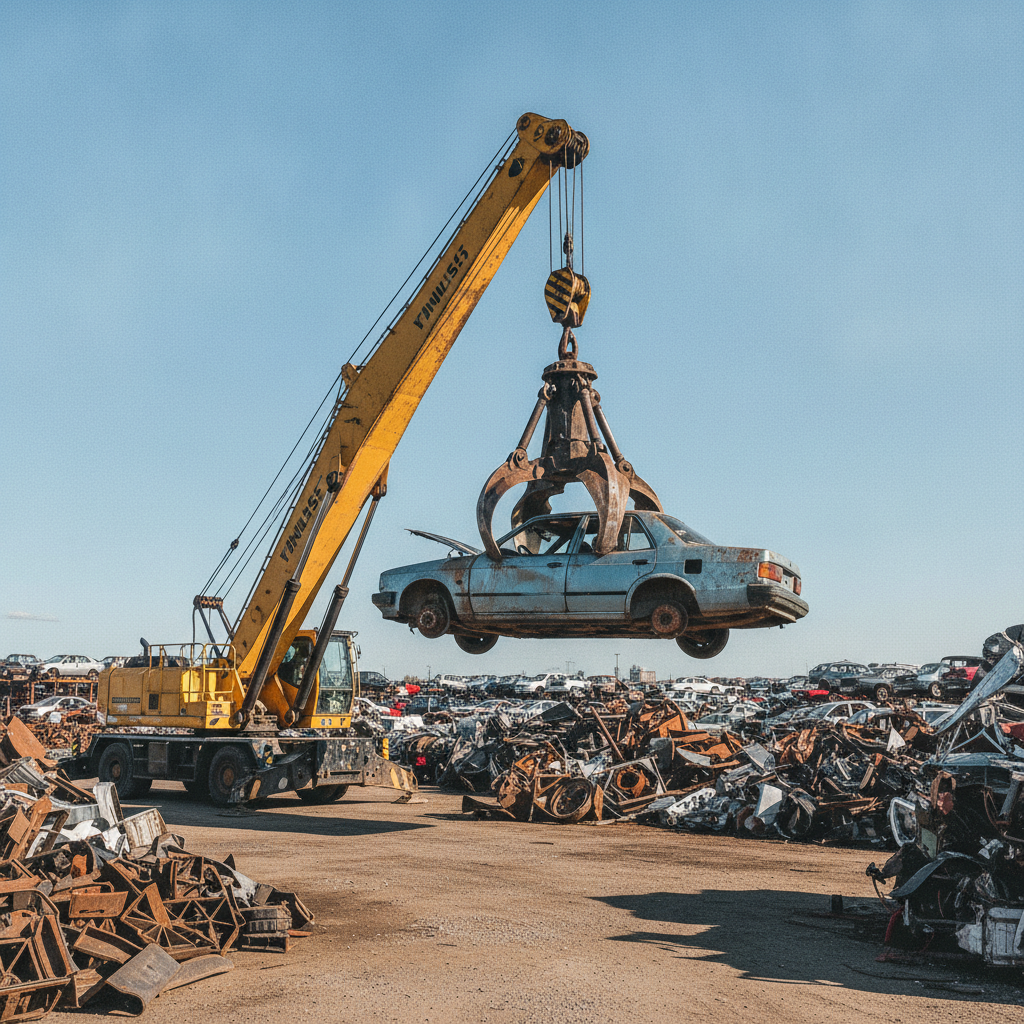
Scrap rate for cars is the weight- and parts-based value a scrap yard pays for an end-of-life vehicle. At Quick Scrap Metal, 407 Rexdale Blvd in Etobicoke, scrap rates reflect metal markets, parts value, and vehicle condition. You get fast cash on the spot and responsible recycling across Toronto and the GTA.
By Preet Dass · Last updated: June 20, 2026
Quick start and table of contents
To understand the scrap rate for cars in 2026, focus on three drivers: vehicle weight, valuable parts (like converters and aluminum), and current metal markets. Prepare your title, keys, and ID, clear fluids where required, and choose drop-off or pickup at our Etobicoke yard for a smooth, same-day turnaround.
This complete guide blends clear definitions, local steps, and expert tips from our team in Etobicoke. Use it to prep your car, avoid delays, and maximize value—without guesswork or surprises.
- What the “scrap rate for cars” actually means
- Why rates differ between vehicles and seasons
- How valuation works at a modern scrap yard
- Best practices to boost your payout (no pricing mentioned)
- Local steps for Etobicoke and Toronto owners
- Case studies from real GTA scenarios
- Actionable checklists and FAQs
Overview: scrap rate for cars in 2026
In Etobicoke and the Toronto metro, the 2026 scrap rate for cars reflects metal markets, parts demand, and vehicle condition. Yards pay based on weight and recoverable components, with safe, documented recycling. Preparing paperwork and removing non-metal junk speeds your experience and helps unlock better outcomes.
Scrapping a car is more than weighing it. The mix of steel, aluminum, copper, and catalytic materials, plus fluids and tires, shapes the result. Your goal: make the process easy for the yard and safe for the environment while capturing the fairest value.
Local considerations for Etobicoke
- Plan drop-offs around neighborhood traffic near HWY 27 & Rexdale; aim for off-peak to shorten yard time. If you’re nearby, you can pair errands at Woodbine Mall & Fantasy Fair while we process.
- Winter and early spring can slow towing and yard flow; build in buffer time for frozen components and safety checks.
- For older vehicles stored outdoors, flag rusted frames or seized wheels during booking so we can assign proper handling gear.
What is the scrap rate for cars?
The scrap rate for cars is the salvage value a recycler pays for an end-of-life vehicle based on weight, metals mix, and reusable components. It’s not a fixed price list; it changes with markets, condition, and readiness. Clean preparation and complete paperwork improve speed and outcomes.
Scrap valuation isn’t arbitrary. It follows a path: confirm ownership, assess safety, measure weight, and account for parts such as the catalytic converter, aluminum wheels, copper wire, radiators, and batteries. Each adds or subtracts from the whole.
- Weight baseline: Most passenger vehicles are primarily steel, which forms the baseline value once fluids are safely handled.
- Components uplift: Converters, non-ferrous metals (aluminum, copper, brass), and batteries add recoverable value.
- Completeness: A complete car is easier to process. Missing drivetrains or heavy components change handling.
- Documentation: Title and ID streamline intake. Missing documents slow things down and may require additional steps.
Here’s the thing: the “rate” is a framework, not a flat number. Your preparation and the vehicle’s mix of metals significantly influence the outcome.
Why the scrap rate matters
The scrap rate matters because it converts an unused vehicle into immediate value while reducing environmental impact. It funds safe recycling of steel, aluminum, and copper, diverts e-waste streams, and helps you clear space with proper records. Prepared sellers move faster and waste less time.
When a car sits, fluids degrade, tires crack, and usable metals stagnate. Recycling puts those materials back into circulation—reducing the energy intensity of new metal production and limiting landfill risks. A fair, transparent rate encourages the right behavior.
- Environmental returns: Recycling metal uses far less energy than producing it from virgin ore and reduces emissions in the supply chain.
- Household benefits: Clearing a stored vehicle frees driveway or garage space and removes a potential neighborhood hazard.
- Community impact: Responsible yards document handling, making it easier to prove proper disposal and avoid abandoned-vehicle issues.
In our experience serving Etobicoke, Toronto, Mississauga, and Brampton, prepared customers finish the entire process—intake, scale, and offloading—far more smoothly than those who arrive without documents or with loose household items in the trunk.
How scrap car valuation works (step-by-step)
Scrap valuation follows a simple flow: verify ownership, check safety, weigh the vehicle, identify valuable components, and confirm current metal markets. Preparation—like removing trash and declaring missing parts—speeds the process. Choose yard drop-off or book a pickup for seamless handling.
Below is a practical view of how our team processes end-of-life cars at 407 Rexdale Blvd.
- Booking and intake: Share the vehicle make/model, location, and any missing major parts. Note tire condition and whether it rolls.
- Ownership check: Bring your title/permit and a matching government-issued ID. This protects you and prevents fraud.
- Safety review: We assess leak risks, battery placement, and tire status to plan safe handling, especially if the vehicle won’t start.
- Scale read: Weight establishes the baseline. Excess non-metal items can distort readings and should be removed.
- Components scan: Catalytic converter, aluminum wheels, copper harnesses, radiators, and batteries influence the final assessment.
- Market check: Current metal conditions guide the rate framework. Markets move; preparation keeps you consistent.
- Settlement and records: We issue on-the-spot payment and provide documentation for your records.
Pro tip: if towing is required, keep the path clear. Snow, tight alleys, and locked gates are common slowdowns in winter and early spring.

Want a deeper look at material value signals? Our scrap metal values guide explains how yards weigh ferrous and non-ferrous recovery when setting expectations.
Types of scrap car scenarios
Scrap car scenarios fall into patterns: complete runners, non-running but complete vehicles, partially stripped cars, and flood or collision totals. Each changes handling and the weight-to-components balance, which the yard uses to structure a fair outcome.
Not every car arrives the same way. These common situations help you choose the right approach and prep list.
Typical scenarios
- Complete runner: Starts and rolls. Easiest logistics; straightforward intake and scale.
- Complete non-runner: Battery or engine issues, but intact. Requires equipment planning.
- Stripped or missing major parts: No converter, drivetrain removed, or missing doors. Handling plan adjusts.
- Collision total: Frame damage or deployed airbags. Safety and containment checks are front-and-center.
- Flood exposure: Electrical systems compromised; corrosion and safety controls warrant extra care.
Comparison: handling approaches
| Scenario | Logistics | Prep focus | What to expect |
|---|---|---|---|
| Complete runner | Drive/roll to scale | Bring title/ID, remove trash | Fastest intake and settlement |
| Complete non-runner | Tow or winch | Keys, clear tire access | Slightly longer handling window |
| Stripped car | Special equipment | List missing parts upfront | Adjusted components assessment |
| Collision total | Loader assistance | Declare leaks/airbags | Extra safety checks before scale |
| Flood exposure | Containment plan | Battery status, corrosion | More detailed inspection |
If you’re uncertain which bucket you fall into, our scrap car removal guide walks through photos and checklists that map to each scenario.
Best practices to maximize outcomes (no pricing)
Maximize your result by preparing documents, clearing non-metal trash, declaring missing parts, and choosing the right logistics. Keep keys available, note battery status, and plan yard timing. These simple steps reduce friction and support a fair scrap rate for cars without discussing prices.
Preparation checklist
- Proof of ownership + ID: Have your title/permit and matching ID ready before arrival or pickup.
- Keys and access: Keys ease steering and door access; clear snow, shrubs, or stored items blocking tow points.
- Remove personal items: Clear the glove box, trunk, child seats, and plates. No household trash in the cabin or trunk.
- Note condition: Declare flat tires, seized wheels, or missing parts so we assign the right equipment.
- Plan the hand-off: Choose yard drop-off or request a pickup time window. Keep your phone on for driver updates.
On the day
- Arrive during open hours—our yard stays open late on weekdays and on Sundays for convenience.
- Have documents in hand at the gate to shorten intake.
- Follow crew instructions at the scale and unloading zone for safety.
For broader material insight (copper, aluminum, steel), check our scrap metal prices overview for Toronto context and preparation tips.
Tools and resources for sellers
Use a simple toolkit: a preparation checklist, title/ID folder, phone photos of the vehicle, and a pickup plan if it won’t start. Pair this with a trusted Etobicoke yard that buys metals, appliances, and e-waste so you can finish everything in one stop.
- One-stop drop-off: Cars, appliances, and electronics in the same trip keep your weekend free.
- Reference guides: Our values guide and car pricing explainer outline factors—not numbers—so you know what affects outcomes.
- Local know-how: Bookmark our Etobicoke scrap yard guide for hours, directions, and service notes near HWY 27 & Rexdale.
Prefer pickup? Coordinate your window and confirm the vehicle location details. If it’s behind a locked gate or in underground parking, let us know so we bring the right gear.
Need a hand with pickup?
If your car won’t start or roll, book a pickup and we’ll plan the safe move. Share where the vehicle sits, note the tire status, and keep keys ready. We’ll guide you through documents and complete the hand-off in one visit.
We make it EASY | FAST | CONVENIENT. Start with our scrap car removal guide and then call to schedule a pickup window that fits your day.
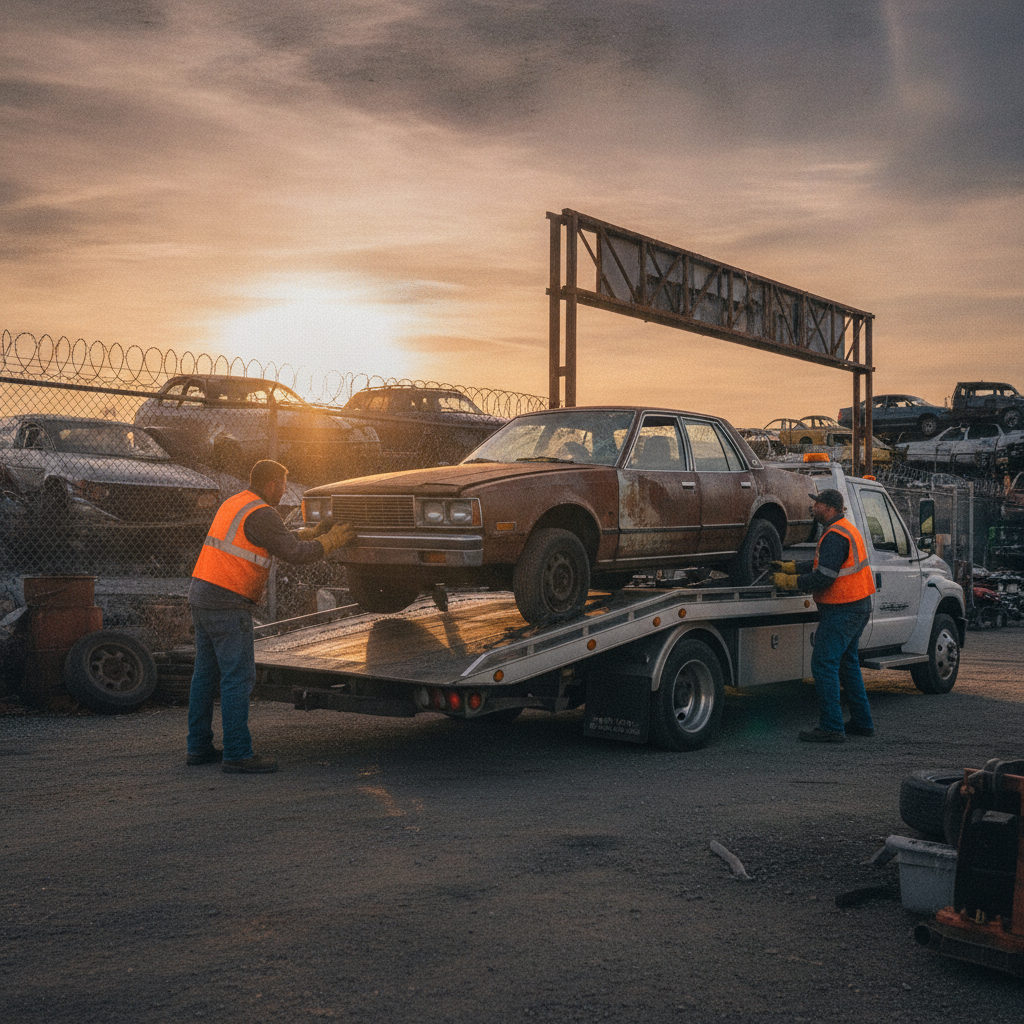
Case studies from Etobicoke and the GTA
Real scenarios show how preparation influences the scrap rate for cars. Complete paperwork, clear access, and honest part declarations reduce handling time and help unlock better outcomes. The following short cases mirror what we see daily at 407 Rexdale Blvd.
Homeowner in Etobicoke
A non-running sedan sat in a driveway all winter. The owner prepped the title and ID, listed two flat tires, and cleared access for towing. Result: quick intake and a smooth hand-off in under an hour after arrival.
Contractor in Brampton
A work van had a seized rear door and rusted fasteners. The contractor declared missing interior panels and battery status at booking. We assigned the right gear, preventing delays and minimizing on-site time.
Student in Toronto
A commuter hatchback with a dead alternator was complete and parked on a narrow street. The student chose yard drop-off, arrived with keys and documents, and finished the process the same afternoon between classes.
Family in Mississauga
After a minor collision, the crossover still rolled. They brought photos and disclosed an airbag deployment. Intake was straightforward, and the recycling plan addressed safety components before offloading.
Policy, safety, and environmental notes
Legitimate yards emphasize compliance, safe handling, and traceability. Expect ID checks, paperwork, and clear unloading protocols. Modern recycling pathways recover ferrous and non-ferrous metals and handle batteries and fluids through approved channels to protect workers and the environment.
Professional scrap yards document their processes so sellers can prove responsible disposal. While markets move, safety and compliance do not. Proper handling for batteries, airbags, and refrigerants is non-negotiable, and seller preparation makes that easier.
For additional background on responsible vehicle scrapping in Ontario and the GTA, you can review regional operators such as Cash for Scrap Cars Ontario, their service overview, and their contact process for booking and documentation norms.
Frequently Asked Questions
These quick answers address the most common seller questions about paperwork, preparation, and logistics. Each response is short and direct so you can act today without wading through jargon or pricing talk.
What paperwork do I need to scrap my car?
Bring your title/ownership and a matching government-issued ID. Keys help with steering and access. If documents are missing, call ahead so we can discuss your options and local requirements before you arrive or book pickup.
Should I remove parts before scrapping?
It’s best to be transparent about what’s present and what’s missing. A complete vehicle streamlines handling and accounting. If parts are already removed, declare them during booking so we can plan equipment and set expectations.
Can you pick up a non-running car?
Yes. Share where the car is parked, tire condition, and gate or garage constraints. We’ll schedule a pickup window and bring equipment suited to the location. Keep your phone on for driver updates and have documents ready.
What should I do with plates and insurance?
Remove your plates before drop-off or pickup and contact your insurer to end coverage once the vehicle is handed off. Keep our receipt with your records for future reference.
Do seasons affect the process?
Winter and early spring can slow towing and intake due to weather and road conditions. Clear snow around the vehicle, note frozen components, and allow extra time for safe handling during cold snaps.
Conclusion and next steps
Scrap rate for cars is a practical framework tied to weight, components, and market conditions. Prep your documents, declare condition honestly, and choose the right logistics. That’s the fastest path to a fair result and a clean hand-off in Etobicoke and Toronto.
Key takeaways
- The rate depends on weight, components, and markets—not a fixed list.
- Documents, keys, and access planning save time and hassle.
- Complete cars are easiest to process; transparency is essential if parts are missing.
- Choose a trusted yard that handles metals, appliances, and e-waste in one trip.
Ready to move forward? Review our scrap car pricing explainer for factors to consider, then see our Toronto materials overview. When you’re set, head to 407 Rexdale Blvd or book a pickup—let’s make it EASY | FAST | CONVENIENT.