
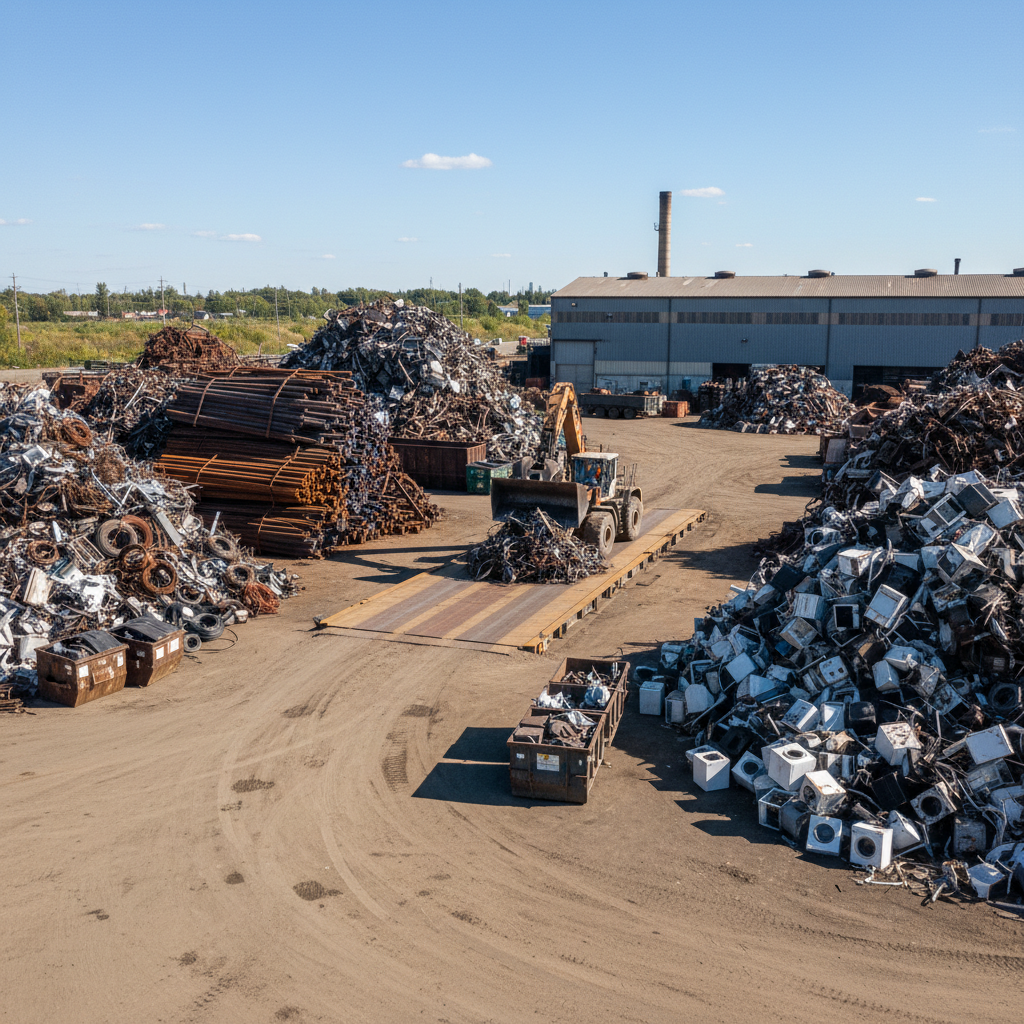
Selling steel scrap is the process of preparing, sorting, and dropping off ferrous metals at a licensed yard to be weighed and recycled for on-the-spot payment. At 407 Rexdale Blvd in Etobicoke, Quick Scrap Metal buys common steel items and handles them responsibly. To sell steel scrap quickly, separate steel from nonferrous metals, load safely, and bring valid ID.
By Preet Dass • Last updated: May 17, 2026
Overview: How to sell steel scrap
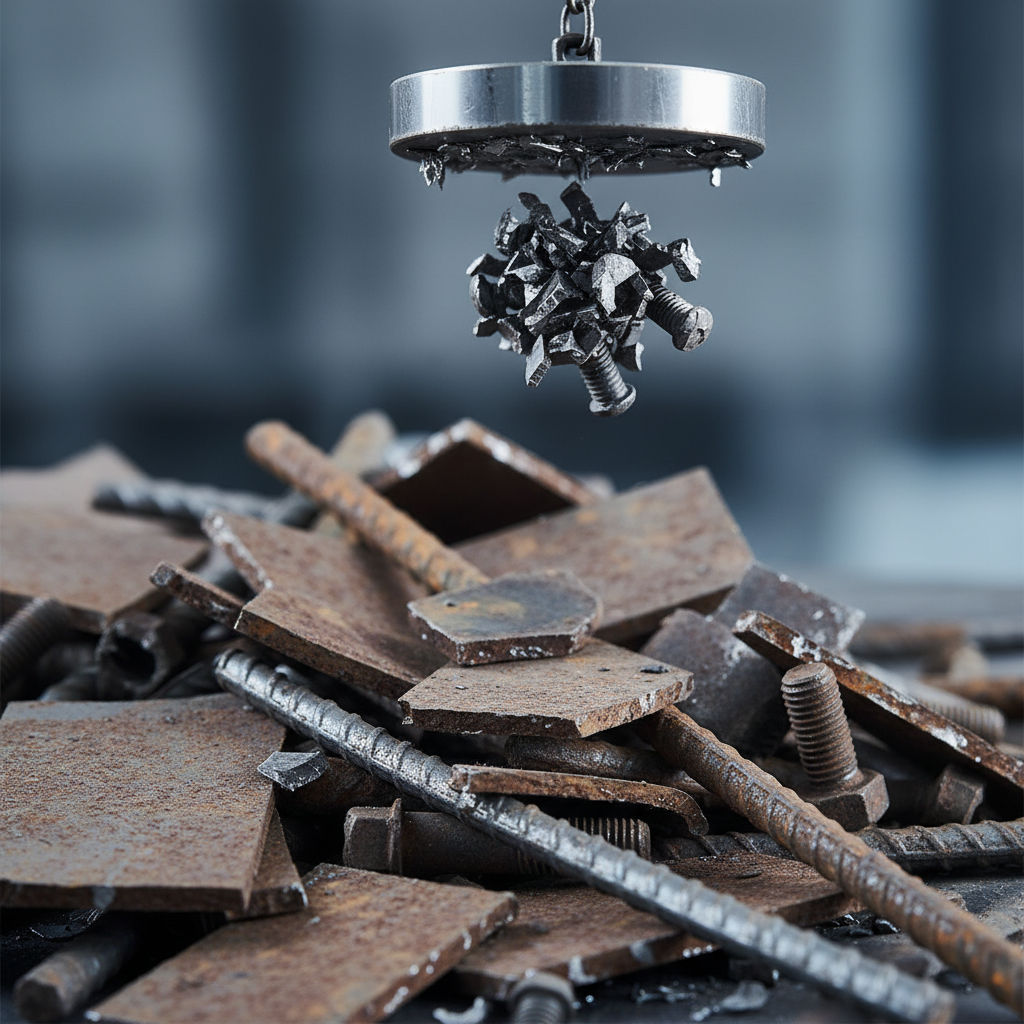
To sell steel scrap fast, sort magnetic ferrous pieces, remove obvious contaminants, secure a safe load, and head to a trusted buyer. At Quick Scrap Metal in Etobicoke, you’ll check in, weigh, unload, and get paid on the spot. Bring photo ID, stay within safety zones, and follow staff directions.
Here’s the short path to turn clutter into cash while keeping materials in the circular economy. You’ll learn the essentials, from the magnet test to unloading on the scale. We’ll also cover local tips for Etobicoke and the Toronto metro, plus pro moves to avoid common mistakes at the drop-off.
Quick Summary
Selling steel scrap involves sorting ferrous metals, preparing a safe load, visiting a licensed yard, weighing on certified scales, and receiving immediate payment. Quick Scrap Metal at 407 Rexdale Blvd streamlines this with extended hours, fast check-ins, and broad acceptance—from steel beams and rebar to appliances and lawn equipment.
- Who this helps: Homeowners, trades, small businesses across Etobicoke and the GTA.
- What to bring: Photo ID, tied or banded loads, basic tools for disassembly.
- What we take: Ferrous steel (beams, rebar, rotors, plate, tools), plus appliances and e-waste.
- Time window: Extended weekday hours and Sundays for flexible drop-off.
- Key safety: Wear gloves, secure loads, follow yard signage and staff instructions.
We’ll now dive into what steel scrap is, why it matters, and exactly how the process works at our Etobicoke yard.
What is steel scrap?
Steel scrap is any end-of-life or surplus iron-based metal that a magnet attracts—such as beams, rebar, rotors, tools, and appliances. Recycled steel replaces virgin ore, conserves energy, and feeds mills with ferrous feedstock. For sellers, it’s a straightforward way to clear space and get paid for materials you no longer need.
In practice, most household and jobsite “steel” you’ll bring in is ferrous: magnetic and often coated, painted, or lightly rusted. Typical examples include shelving, BBQ frames, mowers, water heaters, rebar offcuts, angle iron, and brake rotors. If a magnet sticks and it’s not stainless, it’s almost certainly steel.
- Common household sources: Old tools, lawn mowers, grills, range hoods, washers/dryers, ductwork.
- Construction/trades sources: Structural beams, channels, studs, rebar, plate, pipe, siding, fasteners.
- Automotive sources: Rotors, engines, transmissions, steel wheels, compressors.
Pro tip: Keep steel separated from nonferrous metals like copper or aluminum. Mixed loads take longer to process and can reduce efficiency at the scale.
Why selling steel scrap matters
Selling steel scrap keeps one of the world’s most recycled materials in circulation, reduces landfill, and returns immediate value to you. It supports local recycling jobs and lowers demand for virgin ore. The net result: cleaner garages and jobsites, less waste, and more responsible material flows across the GTA.
- Energy savings: Recycling steel generally uses significantly less energy than making steel from virgin ore.
- Waste avoidance: Bulky items like appliances take large landfill volume if not recycled.
- Local benefit: Reuse streams support regional processors and manufacturing ecosystems.
Industry groups publish ongoing benchmarks and safety practices for selling and handling ferrous metals. For background on ferrous commodities and yard safety norms, see the Institute of Scrap Recycling Industries (ISRI). For global recycling principles and circular-economy context, the World Steel Association sustainability pages provide helpful overviews.
How selling steel scrap works at Quick Scrap Metal
The process is simple: sort your steel, arrive during extended hours, check in, weigh, unload in the directed bay, re-weigh if needed, and receive on-the-spot payment. Our Etobicoke team guides you through each step, keeping you safe and moving quickly—especially helpful for busy homeowners and trades.
At 407 Rexdale Blvd (near HWY 27 & Rexdale), our yard layout is designed for fast in-and-out drop-offs. We welcome small car loads up to contractor trailers. If it’s metal, we buy it—plus we accept appliances and electronics to simplify your trip.
- Pre-sort at home: Use a magnet to group ferrous steel; keep copper/aluminum separate.
- Secure the load: Strap, band, or box sharp items; cap pipe ends; flatten and stack plate.
- Arrive and check in: Follow signage, present photo ID, and wait for scale direction.
- Weigh-in: Drive or carry onto the designated scale platform when directed.
- Unload safely: Use the indicated bay. Stay clear of loaders and follow staff cues.
- Re-weigh and finalize: We confirm weights and issue immediate payment.
Need a refresher on what we take beyond steel? Our scrap metal recycling guide outlines common metals and e-waste accepted. If you’re focused on maximizing value across all metals, skim our top scrap prices overview before you load.
Types of steel scrap we accept (examples)
We accept a wide range of steel scrap: structural beams and channels, rebar and mesh, plate and sheet offcuts, pipe and tube, cast items like rotors, and common household steel. Keep it free from obvious dirt, liquids, and hazardous residues. Light surface rust and paint are typically fine.
Steel comes in many forms on jobsites and in homes. The more specific you can be at drop-off, the faster we can guide you to the right unloading bay. Here are frequent examples we see in Etobicoke and the GTA.
- Structural steel: I-beams, channels, angle, studs, and joists from renovations or demo.
- Reinforcing steel: Rebar offcuts, wire mesh, tie wire spools.
- Plate and sheet: Fabrication drops, siding, appliance panels, HVAC ducting.
- Pipe and tube: Mild steel pipe, square/rectangular tubing, conduits (non-energized).
- Cast items: Brake rotors, engine blocks, cast grills and machine bases.
- Household steel: Lawnmowers, BBQ frames, shelving, tools, heaters, and radiators.
Not sure if it’s steel or stainless? Bring a magnet and a quick photo—our team can advise on the spot. For a broader material list, see our scrap metal guide and our metal junk yard overview.
Preparation and safety: the magnet test, disassembly, and loading
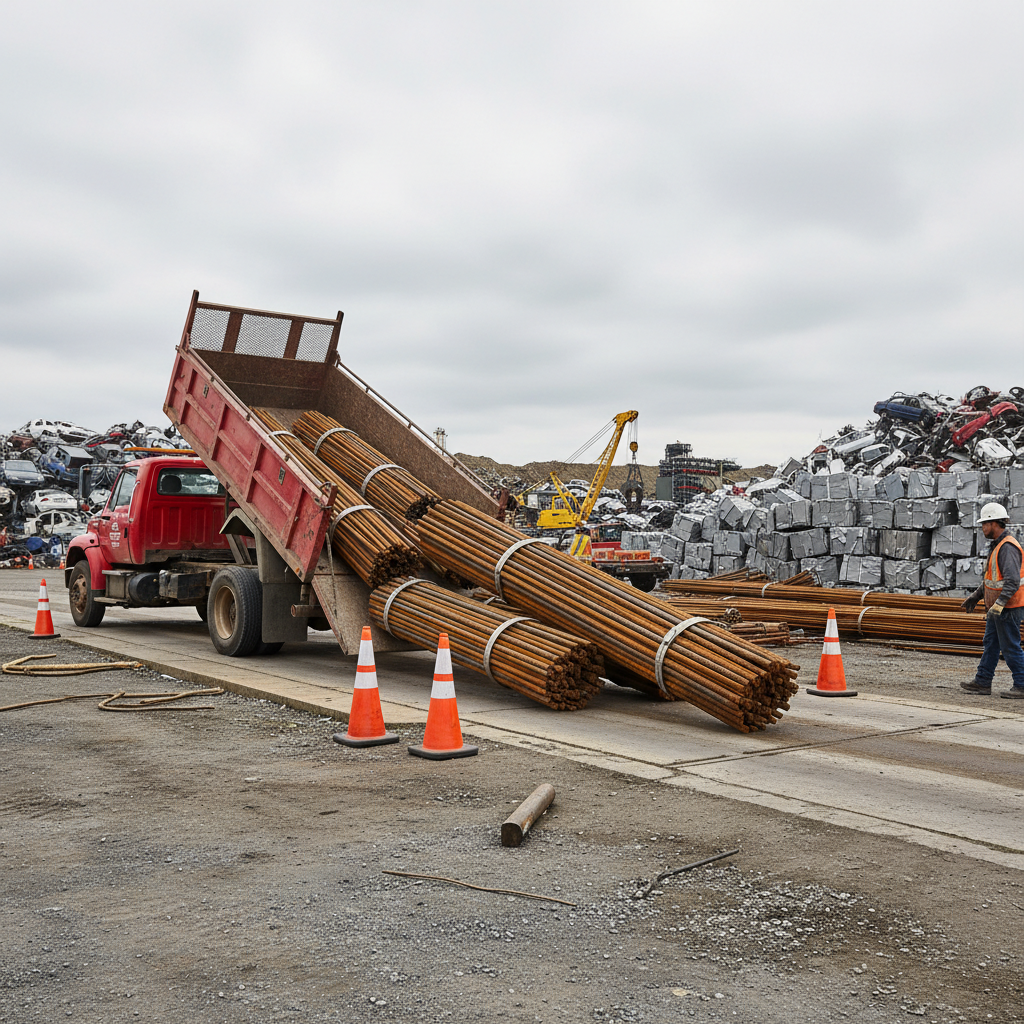
Great prep speeds up your trip. Do a magnet test, remove non-metal attachments, drain fluids, and bundle sharp edges. Wear gloves and boots, secure the load, and follow yard safety markings. Clear labeling and separation help our team weigh and pay you faster.
Use this checklist to streamline drop-off and keep everyone safe. It fits household cleanouts and contractor hauls alike.
- Magnet test: Confirm it’s ferrous. If the magnet sticks, treat it as steel.
- Remove contaminants: No fuel, oil, refrigerants, or live electrical components.
- Disassemble: Detach plastic/wood; trim long pieces for easier stacking.
- Bundle and secure: Band rebar, box smalls, cap pipe ends, flag any long stock.
- Personal protection: Gloves, eye protection, closed-toe footwear recommended.
- Load balance: Distribute weight; avoid overhangs; tie down properly.
| Steel item | Quick prep | Safety note | Helpful tools |
|---|---|---|---|
| Brake rotors | Stack in crates or buckets | Watch pinch points | Gloves, dolly |
| Rebar offcuts | Band in manageable bundles | Flag protruding ends | Bands, snips |
| Plate and sheet | Flatten and strap | Edge protection | Ratchet straps |
| Pipe and tube | Cap ends, tie | Prevent rolling | End caps, wedges |
| Appliances | Empty and disconnect | No refrigerants | Wrench set |
When in doubt, snap a photo and ask our team during check-in. We’ll point you to the right bay and keep your visit moving.
Best practices to maximize your steel drop-off
To maximize value and speed, separate steel from nonferrous metals, remove obvious non-metal attachments, and load for easy unloading. Arrive during less busy windows, label bundles, and follow staff instructions. Good prep shortens wait times and supports safe, efficient recycling.
- Sort by material: Keep copper, aluminum, and stainless in separate containers.
- Label bundles: “Rebar,” “Plate,” “Rotors” helps direct you to the right bay.
- Flatten bulky items: Remove doors/panels on appliances to reduce space.
- Check fluids and cords: Drain and detach to avoid delays.
- Plan timing: Mid-mornings or late afternoons can be smoother than peak rushes.
- Ask on arrival: Our team can quickly confirm the best unloading bay for your load.
If you’re staging a larger cleanout, our junk removal and staging guide has additional tips. For iron-heavy mixes, our iron scrap guide covers preparation details and common mix-ups.
Tools and resources you can use today
You don’t need special gear to sell steel scrap. A basic magnet, gloves, ratchet straps, and a marker go a long way. For learning, use reputable recycling guides, local yard instructions, and safety checklists, then plan your drop-off around extended hours in Etobicoke.
- Simple toolkit: Magnet, work gloves, eye protection, straps, moving dolly.
- Learning resources: Our scrap metal guide and recycling overview.
- Industry context: ISRI’s resources and EPA recycling data.
- Scheduling: Use our extended weekday hours and Sundays to miss peak rush.
Need a hand? If you’re dealing with mixed metals, appliances, or e-waste, we make it one stop at 407 Rexdale Blvd. Our team can help you unload and direct items to the correct bays.
Mini case studies: how locals sell steel scrap effectively
Successful sellers prep at home, separate ferrous from nonferrous, arrive with labeled bundles, and follow yard guidance. Whether you’re a homeowner clearing a garage or a contractor wrapping a demo, a clear plan shortens yard time and keeps you safe—and gets you paid faster.
Homeowner weekend cleanout
- Scenario: Etobicoke resident with mowers, shelving, and a washer.
- Action: Magnet test, doors removed, cords cut, items labeled.
- Result: Quick unload, immediate payment, space reclaimed in the garage.
Contractor rebar and plate drops
- Scenario: Small contractor finishing a slab pour with rebar leftovers and plate offcuts.
- Action: Bundled rebar, flattened plate, nonferrous kept separate.
- Result: In-out in one visit; crew back on-site the same morning.
Auto DIYer with brake rotors
- Scenario: DIY mechanic across the GTA with a bin of rotors and steel wheels.
- Action: Crated rotors, wheels stacked and secured, tires removed.
- Result: Smooth scale process and a quick payout.
Each of these runs through the same core steps: confirm steel, prep safely, arrive ready, follow staff cues, and you’re done.
Local selling guide for Etobicoke and the Toronto metro
In Etobicoke and the broader Toronto area, sell steel scrap by choosing a yard with extended hours, safe traffic flow, and clear unloading bays. Quick Scrap Metal at 407 Rexdale Blvd offers late weekdays and Sundays, convenient access near HWY 27 & Rexdale, and fast service for the neighborhood and metro area.
Local roads, seasonal weather, and neighborhood traffic matter. Plan your route and timing so your unload is quick, safe, and predictable.
Local considerations for Etobicoke
- Aim for off-peak hours when traveling near Woodbine Mall & Fantasy Fair to avoid weekend congestion while you sell steel scrap.
- Winter and shoulder seasons can bring ice and slush; tarp and strap loads to protect lighter sheet or mesh.
- Our yard’s marked lanes and cones help direct traffic; follow the pattern so loaders and customer vehicles move smoothly.
If you’re new to our yard, skim our recycling overview before visiting. For homeowners bundling mixed items, our metal junk yard tips walk through staging a safe load.
Frequently Asked Questions
These quick answers cover preparation, identification, unloading, and safe drop-off. For anything unusual—oversized beams, mixed appliances, or electronics—our team at 407 Rexdale Blvd can confirm details on arrival.
How do I tell if it’s steel or aluminum?
Use a magnet. If it sticks strongly, it’s ferrous (steel or iron). Aluminum won’t attract a magnet. Stainless may be weakly magnetic depending on the grade. If you’re unsure, bring a small sample and ask our team at check-in.
Do I need to remove paint or light rust?
No. Light rust or paint is common and acceptable for steel scrap. Focus on removing fluids, live wiring, and obvious non-metal attachments. Keep steel separated from copper or aluminum to speed weighing and unloading.
Can I drop off appliances with my steel?
Yes. Quick Scrap Metal accepts appliances and a wide range of electronics along with your steel. Please disconnect, empty, and remove obvious non-metal parts. Ask our team for the correct unloading bay when you arrive.
What should I bring on the day?
Bring photo ID, your pre-sorted materials, and basic tie-downs or bands for safe unloading. If you’re new to the yard, a quick materials list or phone photos help our team direct you faster.
Conclusion and next steps
Selling steel scrap is straightforward: confirm ferrous metal, prep safely, and follow our scale process for immediate payment. Quick Scrap Metal’s extended hours, fast traffic flow, and one-stop acceptance of metals, appliances, and e-waste make drop-offs simple for Etobicoke and Toronto residents and trades.
- Key takeaways: Use a magnet, separate materials, secure loads, and follow staff cues.
- Your next move: Stage and label bundles tonight; plan a weekday or Sunday drop-off.
- Helpful reads: Review our top scrap prices overview and complete recycling guide before you head over.
Ready to clear space? Visit us at 407 Rexdale Blvd in Etobicoke. We’ll help you unload, keep you safe, and get you on your way fast.