
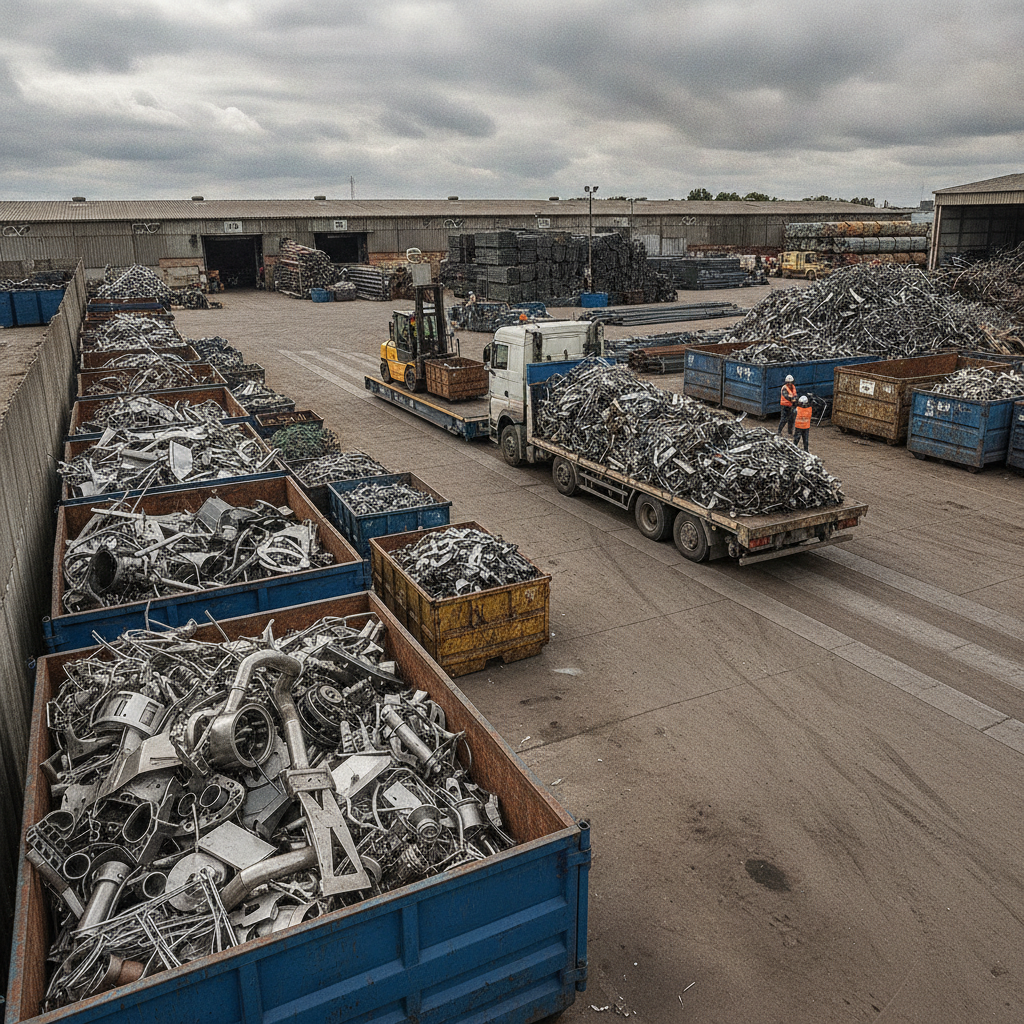
Stainless steel recycling price refers to the per-weight value scrap yards pay for recyclable stainless grades in Etobicoke. It’s driven by grade (304, 316, 400 series), cleanliness, and current metal markets. At Quick Scrap Metal, you can drop off sorted stainless and get paid on the spot during extended hours—fast, convenient, and responsible.
By Preet Dass • Last updated: July 1, 2026
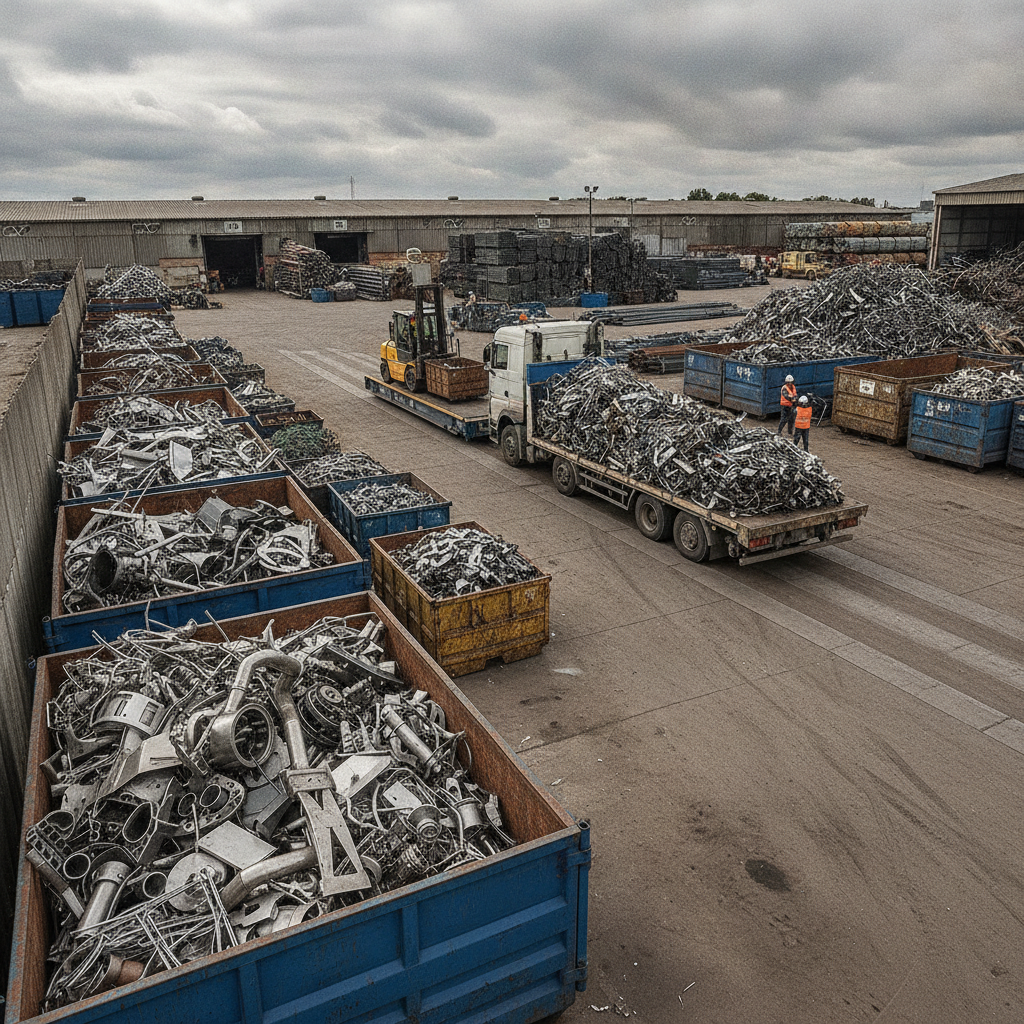
Summary
This guide explains how stainless steel recycling price is determined and how sellers in Etobicoke can maximize payouts. You’ll learn the key grade differences (304 vs 316 vs 400 series), how prep and sorting affect value, what to bring to the yard, and practical tips to move through Quick Scrap Metal fast.
If you’ve got stainless sinks, restaurant equipment, tubing, valves, or shop offcuts, this article shows you how to identify the grade, clean and sort it, and streamline drop-off. We also outline what influences value in 2026 so you can plan timing and preparation with confidence.
What is stainless steel recycling price?
Stainless steel recycling price is the per-weight amount paid for recyclable stainless grades at a scrap yard. The final payout reflects grade chemistry (nickel, chromium, molybdenum), contamination levels, and live market demand. Clean, correctly sorted stainless typically earns stronger value than mixed or dirty loads.
Stainless isn’t a single metal; it’s an alloy family with corrosion resistance from chromium and, for some grades, added nickel and molybdenum. Those alloying elements drive intrinsic value. That’s why 304 and 316 are usually preferred over many 400-series grades in recycling streams.
- Grade matters: 304 (18/8) is widely used in appliances and food service; 316 includes molybdenum for better corrosion resistance; 400-series (e.g., 410, 430) generally contains little or no nickel.
- Condition matters: Clean, dry, and magnet-tested pieces sort faster and usually command better value than mixed, oily, or rusty loads with attachments.
- Market matters: Supply/demand for nickel- and chromium-bearing scrap shifts with manufacturing cycles and commodity sentiment.
Quick Scrap Metal buys stainless as part of a broader program that also accepts appliances and electronics, so you can clear multiple materials in one run. For a full mix of metals beyond stainless, see our scrap metal recycling guide.
Stainless steel recycling price in Etobicoke: what affects it?
In Etobicoke, stainless steel recycling price depends on local yard intake quality, the share of higher-value grades (304/316), and live commodity signals. Sorting stainless by grade, removing attachments, and delivering clean, dry items increases speed at the scale and typically improves overall payout.
Local activity in construction, food processing, and maintenance can shape yard intake. On a typical week, we see homeowner drop-offs (sinks, old grills), restaurant or shop cleanouts (prep tables, tubing), and contractor offcuts. Well-prepped loads move from scale to bin quickly—often in minutes—freeing up your day.
- Grade mix: Loads dominated by 304/316 usually realize stronger value than 400-series blends.
- Contamination: Paint, plastic, rubber, insulation, fasteners, and oil reduce effective stainless content.
- Moisture and residues: Dry metal avoids unnecessary weight from water or sludge and helps maintain clean bins.
- Timing: Yard traffic peaks around midday on weekends; mornings or later evenings (we’re open late on weekdays) can be faster.
Want a broader look at material value dynamics? Our 2026 values guide explains how mixed-metal loads are evaluated during intake.
How stainless pricing works (without quoting numbers)
Yards convert stainless grade, mass, and condition into a payout based on active commodity signals. No single number fits all loads. Instead, clean, higher-grade stainless (304/316) that’s properly sorted and free of attachments typically realizes a stronger per-weight value than mixed or contaminated metal.
Here’s the practical flow you’ll see when you arrive at Quick Scrap Metal. The process is designed to be quick, transparent, and safe, even when the yard is busy.
| Step | What happens | Why it helps your payout |
|---|---|---|
| 1. Check-in | Team confirms what you have (e.g., 304 sinks, 316 valves, 430 trim). | Clear descriptions prevent mis-sorts and delays. |
| 2. Quick ID | Magnet test and visual cues; items grouped into 304, 316, or 400-series bins. | Accurate grading keeps high-value pieces separate. |
| 3. Weigh-in | Each sorted group is weighed on a calibrated scale. | Proper grouping ties weight to the correct grade category. |
| 4. Condition check | Attachments or residues noted; excessive non-metal removed if needed. | Cleanliness supports higher realized value. |
| 5. Payout | On-the-spot payment for qualifying stainless, plus any other metals. | Fast, simple closeout—no waiting for cheques to clear. |
New to stainless? Our primer on steel recycling basics covers safe handling, PPE, and transport tips that apply to stainless loads too.
Grades and identification: 304 vs 316 vs 400-series
Identify stainless by grade to protect value. 304 (about 18% chromium, 8% nickel) is common in appliances; 316 adds roughly 2–3% molybdenum for better corrosion resistance; 400-series generally has chromium but little or no nickel and is often magnetic. Sorting these grades separately supports better payouts.
Correct grading is the single biggest lever you control. A simple handheld magnet plus a few visual checks can separate most household and contractor finds.
How to spot common grades fast
- 304 “18/8” stainless: Common in sinks, countertops, prep tables, tubing. Nonmagnetic or slightly magnetic at cold-worked spots. Smooth, bright finish.
- 316 stainless: Found in valves, marine fittings, chemical or food equipment. Nonmagnetic, often marked 316, 316L, or “marine grade.”
- 400-series (e.g., 410, 430): Magnetic, chromium-only alloy family. Often used in trim, some appliances, and automotive pieces.
Magnet test and visual cues
- Magnet test: 400-series is typically magnetic. 304/316 are generally nonmagnetic but may show slight attraction where bent or work-hardened.
- Markings: Look for stamps: 304, 18/8, 316, 316L, 430. Restaurant equipment and valves frequently show grade numbers.
- Surface clues: Marine or chemical-service parts with pitting resistance are often 316; shiny kitchenware and sinks tend to be 304.
Need a deeper dive on where stainless fits among other metals? Explore our Etobicoke recycling overview for non-ferrous and ferrous sorting tips that pair well with stainless prep.
Best practices to maximize your stainless return
Separate by grade, remove obvious attachments, and deliver clean, dry pieces. These three steps speed intake and usually lift the realized value. Labeling your totes (304, 316, 400) and bundling smalls in clear bags helps Quick Scrap Metal move you from the scale to payout faster.
Prep checklist sellers actually use
- Sort by grade: Keep 304, 316, and 400-series in separate containers.
- Remove attachments: Unscrew faucets, plastic handles, insulation, and rubber gaskets. Quick snips go a long way.
- Keep it dry: Store indoors before your run; drain sinks and tubing.
- Bundle smalls: Bag screws, clamps, and short offcuts so nothing gets lost.
- Label containers: Mark “304,” “316,” or “400” to speed grading.
- Safety first: Gloves, eye protection, and stable loading keep the process smooth.
What not to mix in stainless bins
- Carbon steel and cast iron: Strongly magnetic and not stainless; mix-ins lower stainless value.
- Aluminum and copper: Different categories; keep them separate for better overall payout.
- Rubber, plastic, and wood: Remove non-metal to avoid deductions and speed processing.
- Electronics and wires: Bring them—but to the correct e-waste and non-ferrous streams.
For a focused look at stainless scrap fundamentals, see what stainless scrap is worth. It complements this article with extra ID photos and field tips.
Tools and local resources for Etobicoke sellers
Bring a magnet, basic hand tools, and labeled totes. Check Quick Scrap Metal’s extended weekday hours and Sunday availability before you head out. Our Etobicoke location makes in-and-out drop-offs simple, even with mixed loads that include appliances or electronics alongside stainless.
- Hand magnet + marker: Fast grade triage and tote labeling.
- Adjustable wrench and snips: Remove faucets, brackets, and non-metal fittings.
- Clear contractor bags: Bundle small stainless pieces and keep them visible.
- Pickup or trailer tie-downs: Secure heavy sinks, prep tables, or tubing bundles.
- Extended hours: We’re open late on weekdays and open Sundays, so you can come when it fits.
Local considerations for Etobicoke
- If you’re running errands near Woodbine Mall & Fantasy Fair, plan a quick loop to the yard with pre-sorted totes so your stainless moves through the scale efficiently.
- Winter road salt accelerates corrosion on outdoor equipment; consider removing and storing stainless earlier in the season to preserve condition before recycling.
- Busy weekends? Aim for early morning or later evening weekdays. Our extended hours help you skip lines and keep projects on schedule.
For a bigger-picture look at steel categories and household loads, our junk removal guide breaks down what to bring and how to combine trips for fewer hauls.
2026 signals: what influences stainless steel recycling price now
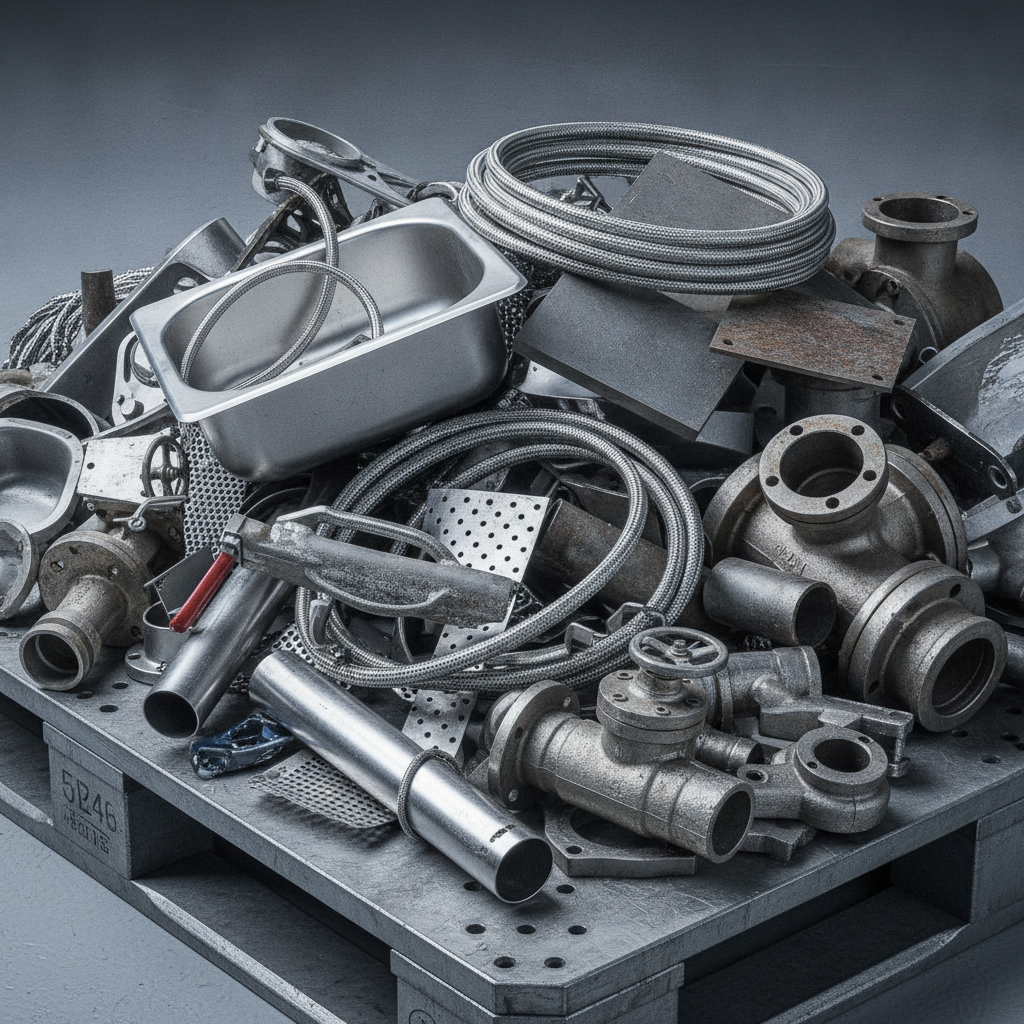
In 2026, stainless value is shaped by nickel and chromium demand, regional manufacturing activity, and steady household/commercial turnover. Clean, high-grade feedstock stays in demand because mills and processors prefer consistent chemistry. Sellers who sort and prep well tend to realize better results at the scale.
Stainless is effectively 100% recyclable and can be remelted repeatedly with little performance loss. That circularity keeps steady appetite for quality scrap. Grade chemistry matters: 304 commonly contains about 18–20% chromium and ~8–10.5% nickel; 316 typically adds ~2–3% molybdenum. Those elements help guide yard categorization.
- Manufacturing cycles: Food processing, medical, and marine equipment refreshes feed 304/316 scrap into the stream.
- Construction + MRO: Fit-outs and renovations release sinks, railings, and fittings on a rolling basis.
- Consumer goods: Appliances and grills reach end-of-life and enter recycling paths regularly.
Need a cross-check on steel streams beyond stainless? Our steel scrap value guide covers rotors, plate, and other ferrous categories often hauled alongside stainless.
Types, sources, and real-world examples
Most household stainless arrives as 304 sinks, cookware, and appliance panels. Contractor and shop loads bring 304/316 tubing, valves, and offcuts. 400-series shows up as magnetic trim or hardware. Keep each type separate. Correct sorting helps stainless steel recycling price reflect the true alloy value.
Common household stainless items
- Kitchen sinks (usually 304)
- Cookware, range hoods, and some appliance panels
- Outdoor grills and fixtures
Typical contractor and industrial items
- 304/316 tubing, angle, and sheet offcuts
- Valves, fittings, and process equipment (316 common)
- Fasteners, clamps, and sanitary parts
What we often see in mixed loads
- Stainless sinks plus copper pipe and brass faucets
- Restaurant-grade prep tables with aluminum pans
- Auto shop stainless hardware mixed with rotors or rims
If your load includes appliances or electronics, Quick Scrap Metal can take them on the same trip. Explore our complete recycling list to combine categories smartly.
Comparison: 304 vs 316 vs 400-series
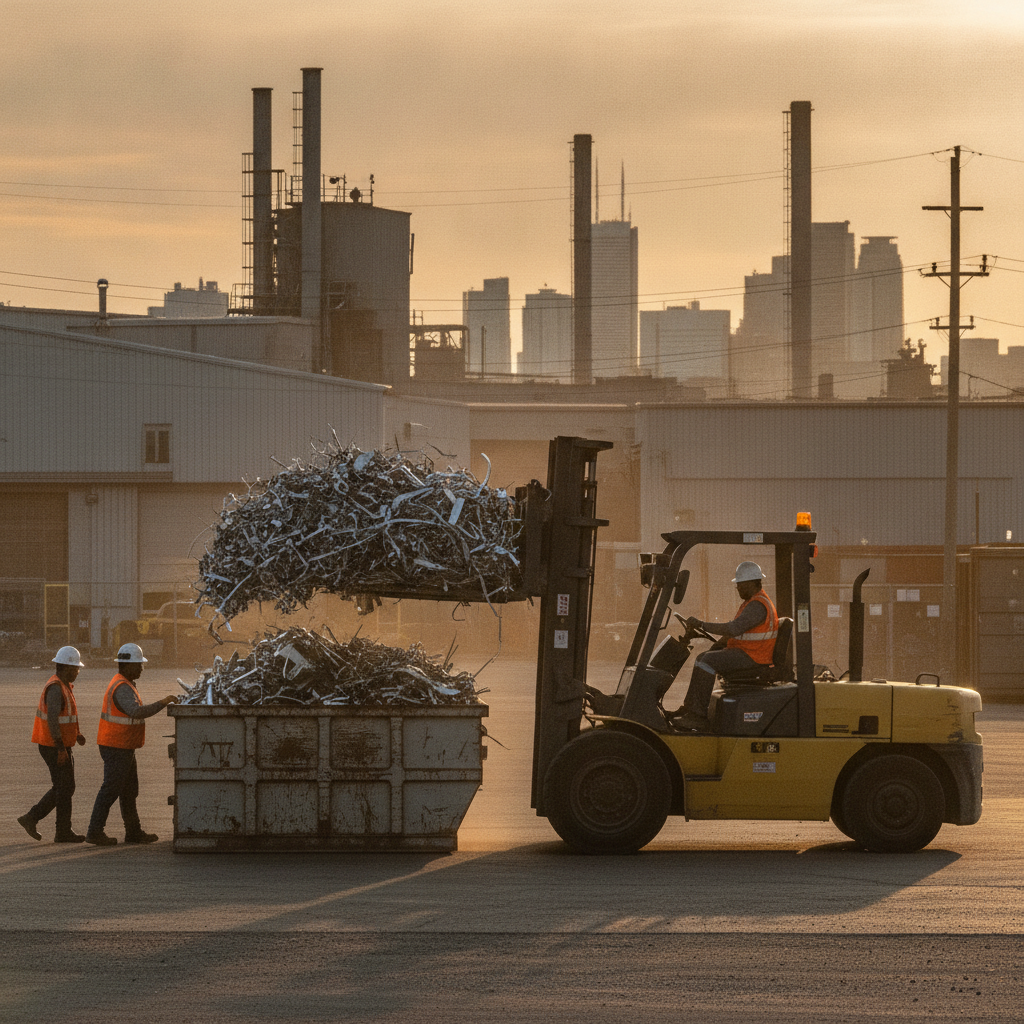
304 is the most common stainless in household and commercial fixtures; 316 adds molybdenum for tougher environments; 400-series is usually magnetic and nickel-lean. Sorting these families separately prevents value dilution and keeps the stainless steel recycling price aligned with each grade’s chemistry.
| Grade family | Typical chemistry | Magnet test | Common sources | Handling tip |
|---|---|---|---|---|
| 304 (18/8) | ~18–20% Cr, ~8–10.5% Ni | Nonmagnetic or slightly magnetic | Sinks, prep tables, cookware, rails | Label “304” totes; keep dry and oil-free |
| 316 | Similar to 304 + ~2–3% Mo | Generally nonmagnetic | Valves, marine fittings, sanitary piping | Confirm markings: 316/316L |
| 400-series (e.g., 410/430) | Chromium steels; little/no Ni | Usually magnetic | Trim, fasteners, some appliance parts | Keep separate from 304/316 |
When you’re finished sorting stainless, check your bins for copper, brass, aluminum, and steel. Keeping categories pure often lifts the combined return across your whole load. Our stainless price per pound primer pairs with this table for quick grade ID.
How to sell stainless fast at Quick Scrap Metal
Aim for a 10–15 minute yard visit. Pre-sort by grade, back in safely, and follow staff directions. We’ll weigh each group, confirm condition, and pay out on the spot. Extended weekday hours and Sunday access mean you can run stainless after work or between weekend errands.
- Pre-sort and label: 304, 316, and 400-series in distinct totes.
- Secure the load: Tie down sinks and bulky items.
- Check hours: Use our extended weekday/Sunday schedule.
- Arrive and follow cones/signs: Safety first; our team will direct you.
- Weigh, confirm, and get paid: On-the-spot payment keeps you moving.
Bringing a vehicle at end-of-life? See our recycling overview for scrap car options handled alongside metal drop-offs.
Mini case studies: real Etobicoke scenarios
Real examples show how prep and sorting impact stainless value and speed. Homeowners with sinks and grills, restaurants with prep tables, and contractors with tubing offcuts all moved through Quick Scrap Metal quickly by separating grades and removing obvious attachments ahead of time.
Homeowner: kitchen reno weekend
A homeowner brought two 304 sinks, a range hood, and mixed hardware. They labeled totes (304 vs magnetic 400-series screws), removed plastic hoses, and kept everything dry. The visit took about 15 minutes from scale to payout—clean, simple, done.
Restaurant: equipment upgrade
A local restaurant replaced prep tables (304) and several 316-marked valves. The manager grouped 316 hardware separately and bundled smalls in clear bags. Intake was fast because grades were obvious, and non-metal attachments were already off.
Contractor: shop cleanout
A contractor delivered 304 tubing offcuts with a small bin of 400-series trim from a storefront project. Since the loads were clearly separated, our team weighed each group quickly, and the contractor was back on the road within a short window.
Pricing talk without numbers: setting expectations
There isn’t a single stainless number that fits every load. Think in terms of grade families and cleanliness. Clean, sorted 304 and 316 usually realize stronger value than mixed stainless or bins with plastic, rubber, or carbon steel attached. Your prep directly shapes the payout result.
- Bring clean, dry metal: It speeds intake and helps your return.
- Keep grades separate: Don’t dilute higher-value 304/316 with 400-series.
- Expect live-market variation: Commodity conditions change, so timing and quality both matter.
If you’re optimizing a full-house cleanout, coordinate stainless with copper, brass, and aluminum. Our Etobicoke guide shows simple prep steps for multi-metal runs.
Quick consult: stainless sorting walk-through
Not sure if a piece is 304, 316, or 400-series? Bring a small sample and we’ll help you identify it at the yard. A two-minute grade check can save you time and usually lifts the realized value across your load.
Free yard check-in: Swing by with a magnet and a few parts. We’ll confirm the grade family, show you what to separate, and outline a fast drop-off route for your next visit.
Exploring all metals you can bring? Start with our complete materials list.
Helpful references and tools (non-technical)
You don’t need lab gear to sort stainless. A magnet, a marker for tote labels, and a few hand tools cover most prep. If a part is marked “316” or “18/8,” separate it right away. Obvious cleanup—removing rubber gaskets and plastic—pays you back in speed.
- Magnet: Quick 400-series check.
- Marker + tape: Label your bins 304/316/400.
- Wrench + snips: Remove attachments that aren’t stainless.
- Small scale (optional): Weigh your bins at home for planning purposes.
For broader scrap planning, our 2026 values overview highlights how non-ferrous, ferrous, and stainless streams fit together during intake.
Frequently Asked Questions
These quick answers cover the questions we hear most about stainless steel recycling price, preparation, grade identification, and how to combine stainless with other scrap for one efficient Etobicoke drop-off.
How do I tell 304 from 316 quickly?
Look for markings like 304, 18/8, 316, or 316L. 316 often appears on valves and sanitary fittings. If there’s no stamp, 316 tends to be used in harsher environments. A magnet won’t separate 304 from 316, but it does separate both from most 400-series.
Should I remove plastic, rubber, or attached fixtures?
Yes. Removing non-metal attachments improves sorting accuracy and usually boosts realized value. Unscrew faucets, cut away plastic tubing, and pull rubber gaskets. Bag small metal pieces so nothing gets lost in transit or intake.
Can I bring stainless, appliances, and e-waste together?
Absolutely. Quick Scrap Metal accepts metals, appliances, and a wide range of electronics. Keep each category separate in the vehicle. At the yard, we’ll direct you to the correct bins so each stream is processed quickly and correctly.
Is stainless always nonmagnetic?
No. Most 304/316 pieces are nonmagnetic, but cold working (bending, forming) can introduce slight magnetism. 400-series stainless is usually magnetic. Use the magnet as a quick screen, then check markings when available.
What’s the fastest time to get in and out?
Pre-sorted and labeled loads often move from scale to payout in about 10–15 minutes, especially during off-peak hours. Extended weekday evenings and Sundays can help you avoid lines and finish the job on your schedule.
Key takeaways
Sort by grade, keep stainless clean and dry, and schedule your Etobicoke drop-off during extended hours. These simple steps protect stainless steel recycling price and make your yard visit faster—often just minutes from weigh-in to payout at Quick Scrap Metal.
- Identify and separate 304, 316, and 400-series before you drive.
- Remove non-metal attachments and bundle smalls in clear bags.
- Plan off-peak hours to minimize time on site.
- Combine trips: bring appliances and e-waste in separate bins.
Conclusion: Turn stainless into quick results
Stainless steel recycling price rewards preparation. By sorting grades, cleaning obvious residues, and choosing convenient timing, you’ll protect value and speed. Quick Scrap Metal’s extended hours and on-the-spot payouts make Etobicoke drop-offs simple—whether you’re a homeowner, contractor, or local business.
Have a mixed load or a question about grade? Bring a small sample on your next run and ask for a quick check. Ready to go? Plan your route and drop off stainless alongside other accepted metals and e-waste at Quick Scrap Metal.
Next step: Explore our complete recycling list or skim the stainless price primer to finalize sorting. Then book your Errand Day and get it done.