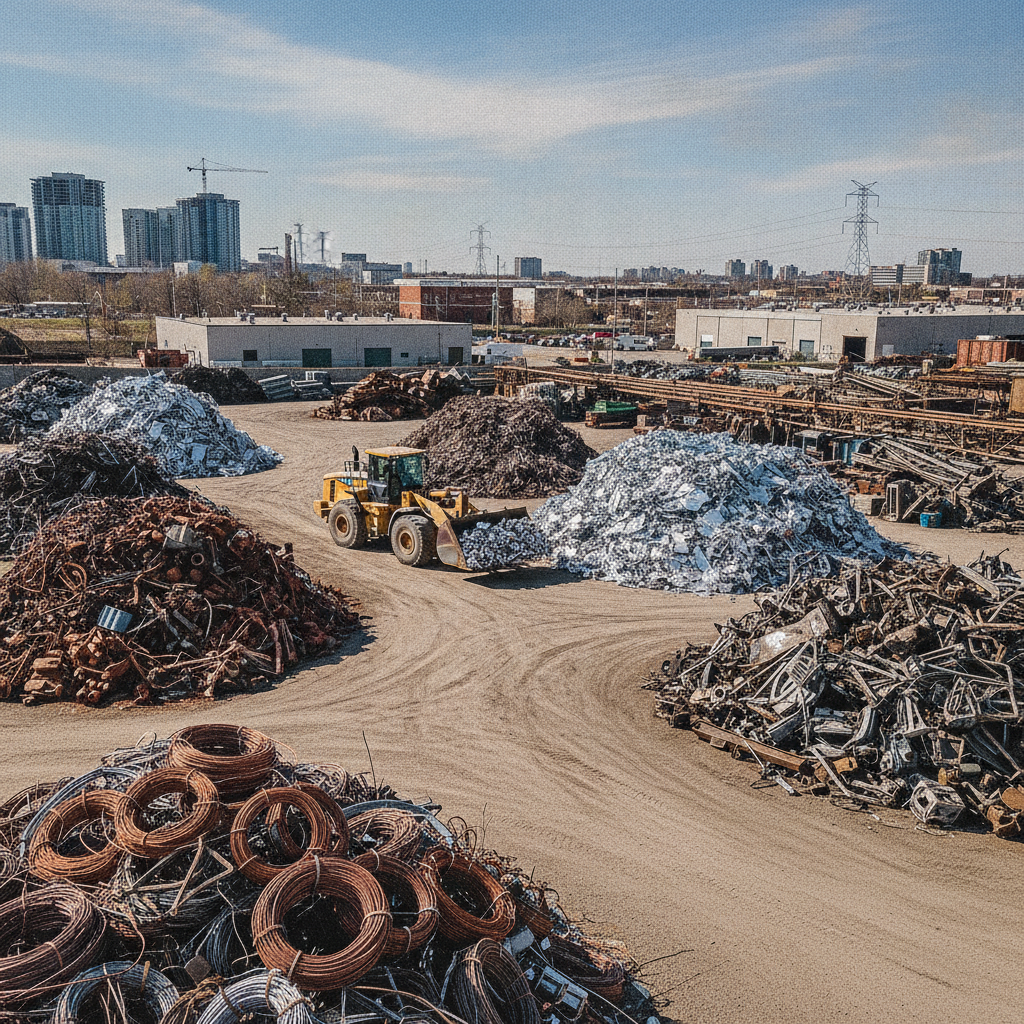
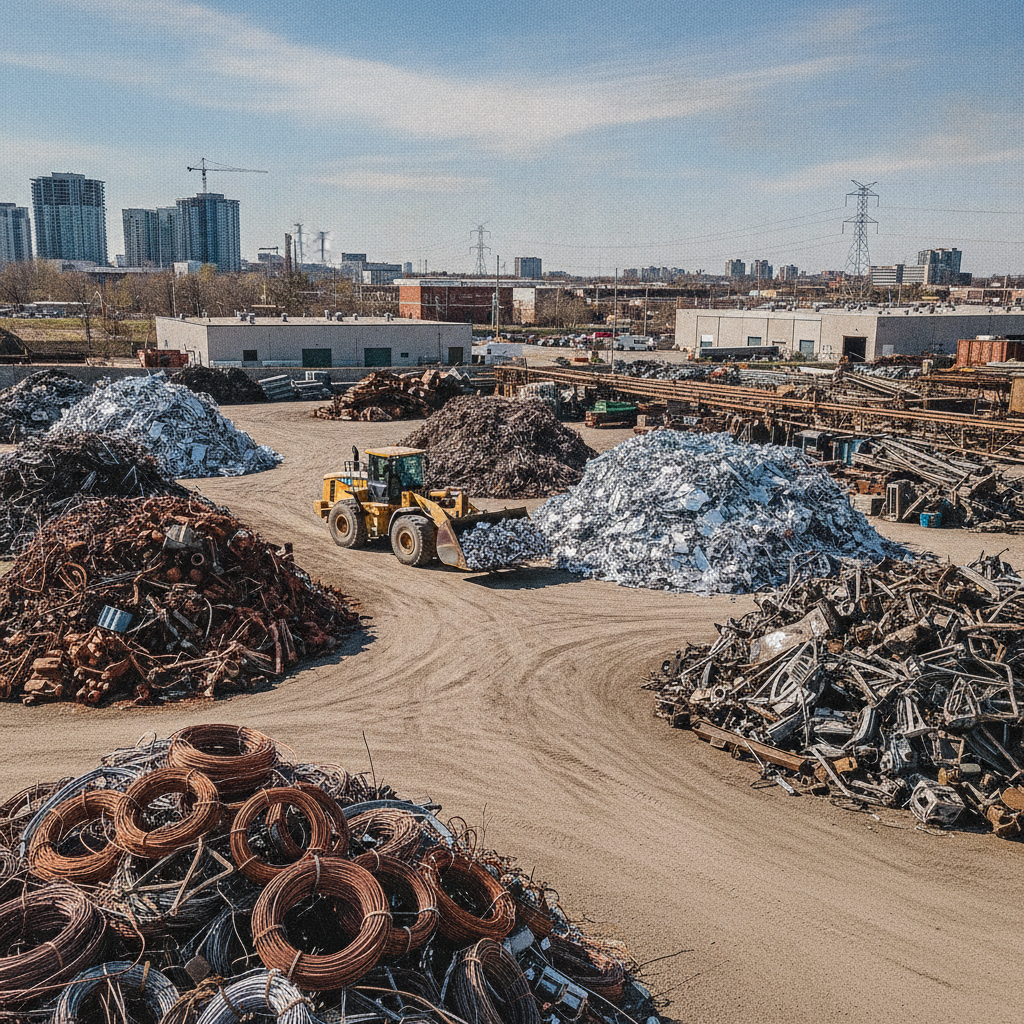
A metal recycling center is a licensed facility that buys, sorts, and prepares scrap metals and related items for reuse in manufacturing. In Etobicoke, Quick Scrap Metal operates as a convenient drop-off hub for ferrous, non-ferrous, appliances, and e-waste with fast, on-the-spot payouts. This guide explains how to prepare and sell with confidence.
By Preet Dass • Last updated: 2026-07-02
Overview
A metal recycling center pays you for scrap metals and responsibly processes appliances and electronics. At Quick Scrap Metal in Etobicoke, you can drop off mixed loads, get weighed, and receive fast payment. This overview maps what centers accept, how payouts are determined, and the steps to maximize your return.
Whether you’re clearing a garage, wrapping a renovation, or offloading demo scrap, knowing how a metal recycling center works saves time and boosts your payout. This Etobicoke-focused guide covers what we buy, how to prep, and how the process flows from the scale to the settlement.
- What a metal recycling center is and why it matters
- How to sort, identify, and prep common metals
- What affects payouts (purity, weight, markets, and prep)
- Accepted categories: ferrous, non‑ferrous, appliances, and e‑waste
- Drop-off flow at Quick Scrap Metal in Etobicoke
- Safety, data-wipe, and local tips for smooth visits
What is a metal recycling center?
A metal recycling center is a facility that purchases scrap metal, appliances, and e‑waste; sorts and processes materials; and ships prepared commodities to mills and refiners. It pays sellers on the spot after weighing and grading, then recovers value while diverting waste from landfills.
Quick Scrap Metal is a local metal recycling center serving Etobicoke and the GTA. We buy both ferrous (magnetic) and non‑ferrous (higher-value) metals, plus home appliances and electronics. For residents, contractors, and small businesses, this one‑stop setup reduces trips and keeps recyclable material in the circular economy.
Core functions at a glance
- Buying and weighing: Vehicles enter, materials are weighed, and items are inspected for grade and contaminants.
- Sorting and processing: Metals are sorted (e.g., copper, aluminum, steel), cleaned, and prepared for efficient downstream recycling.
- Compliance and safety: Appliances and e‑waste are depolluted safely to protect workers and the environment.
- Outbound logistics: Prepared bales, bins, or containers ship to mills, smelters, and refiners for re‑manufacture.
In our experience serving Etobicoke residents and trades, the biggest win is convenience—sell metals, appliances, and electronics in one visit, with extended hours to fit real schedules.
Why metal recycling centers matter
Metal recycling centers conserve energy, cut mining demand, and reduce landfill use. Recycling aluminum can save up to 90%–95% of the energy required to make it from ore, and steel is consistently among the most recycled materials by tonnage. Local centers turn clutter into usable feedstock.
The impact is both environmental and practical. Each load you recycle preserves natural resources and avoids unnecessary disposal. For homeowners and contractors, it also turns offcuts, old fixtures, and dead electronics into immediate value—without guesswork about where items should go.
Concrete benefits you’ll notice
- Less clutter, more space: Clearing appliances and scrap metal frees garages, basements, and job sites quickly.
- Energy and emissions savings: Secondary metals require substantially less energy than primary mining and smelting.
- Community and compliance: Proper e‑waste handling keeps hazardous components out of local landfills.
From our Etobicoke yard, we see the ripple effect daily: better-organized worksites, safer cleanouts, and materials back in productive use rather than sitting idle.
How a metal recycling center works (step-by-step)
Arrive with sorted items, check in, weigh in, unload to the correct zones, and complete a final weigh-out. The center grades materials by metal type and cleanliness, then issues an on-the-spot payout. Clear labeling, safe unloading, and basic prep speed up the process.
- Sort and prep at home: Separate ferrous from non‑ferrous; remove obvious contaminants (e.g., attached plastic, wood, fluids).
- Arrive and check in: Follow yard signage to the scale. Share what’s in your load; ask if you’re unsure.
- Weigh and unload: You’ll weigh in, unload by category (steel, copper, aluminum, appliances, e‑waste), then re‑weigh.
- Grading: Staff assess metal grade and condition; simple prep like stripping wire or separating alloys can help.
- Settlement: Receive fast payment for accepted items and recycling confirmation for regulated materials.
Tip: Non‑ferrous metals (like copper and aluminum) often yield more value per pound due to higher market demand and density. Keeping those items clean and separated typically improves grading speed and outcomes.
Types of materials and methods
Metal recycling centers accept ferrous metals (steel, cast iron), non‑ferrous metals (copper, aluminum, brass, stainless), plus appliances and e‑waste. Sorting by magnet test, color, and form helps identify type. Clean, separated loads move faster and typically grade better.
Quick identification tips
- Magnet test: If a magnet sticks, it’s likely ferrous (steel/iron). If it doesn’t, think copper, aluminum, brass, or stainless.
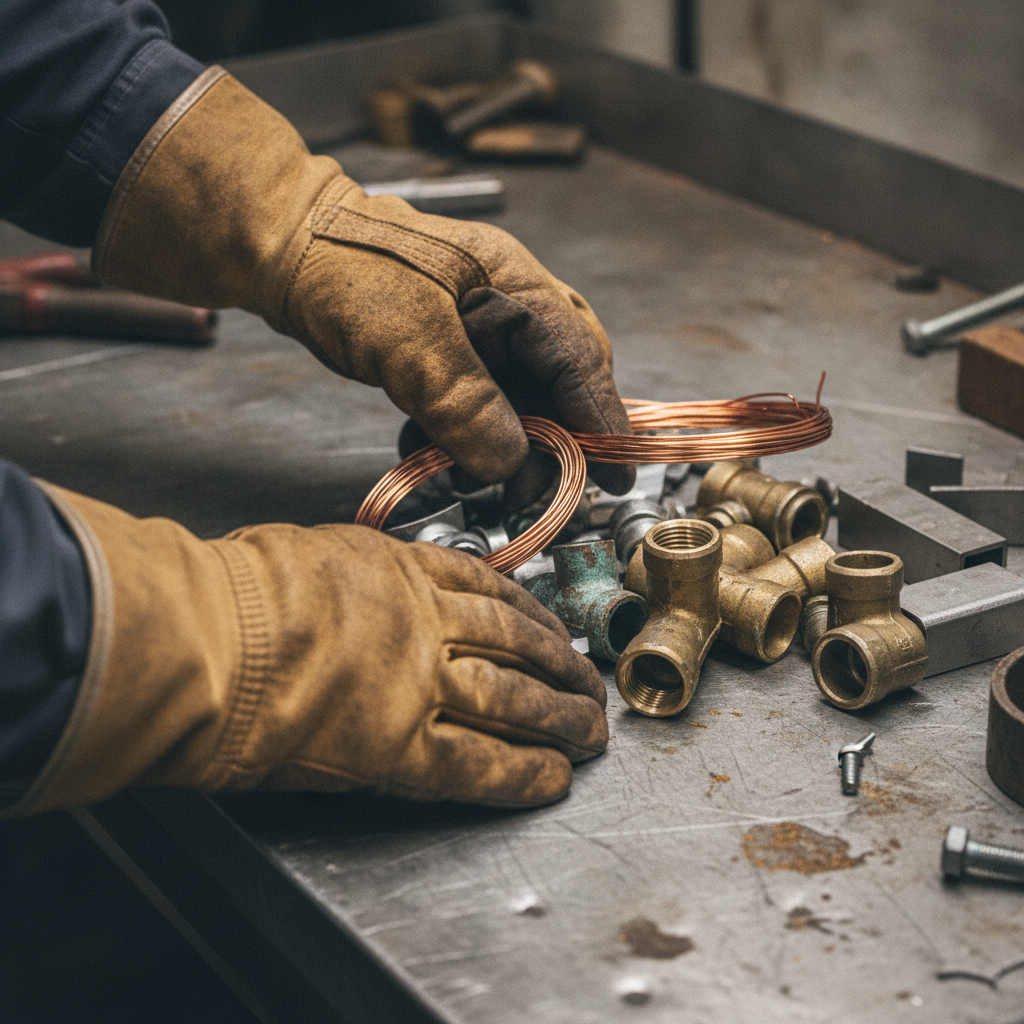
- Color and patina: Copper shows reddish tones; brass is yellow-gold; aluminum is silvery and light; stainless is bright and non‑magnetic or weakly magnetic.
- Form clues: Extrusions and siding suggest aluminum; faucets and valves often indicate brass; hefty rotors or radiators can point to cast or copper-bearing items.
Accepted categories at Quick Scrap Metal
- Ferrous: Steel and tin, cast iron, rotors, auto cast, heating ducts, range hoods, old tools, snow blowers.
- Non‑ferrous: Copper, aluminum (plate, extrusion, siding), brass, bronze, nickel, stainless steel, radiators, faucets, extension cords, engines and motors.
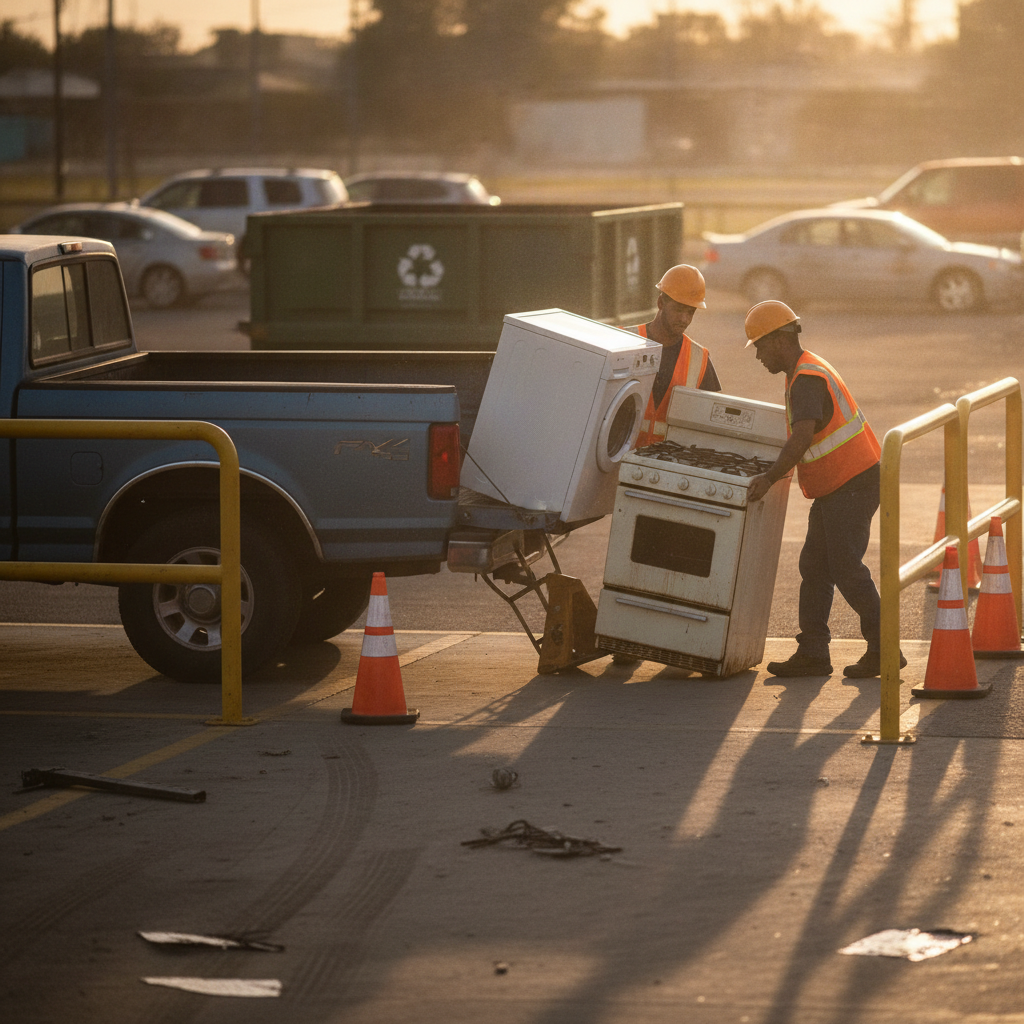
- Appliances: Washers, dryers, dishwashers, A/C units, ovens/stoves, microwaves, range hoods, compressors, BBQs.
- E‑waste: Computers and laptops, TVs and monitors, keyboards, peripherals, Blu‑ray/DVD players, printed circuit boards (PCBs), batteries.
Electronics can contain trace precious metals and specialized alloys. Proper e‑waste handling recovers that value while capturing batteries and other components for safe processing.
Ferrous vs. non‑ferrous vs. e‑waste (at a glance)
| Category | Common Items | Quick ID | Prep Tips |
|---|---|---|---|
| Ferrous | Steel, cast iron, rotors, tools | Magnet sticks; heavier items | Group by type; remove obvious non‑metal parts |
| Non‑ferrous | Copper, aluminum, brass, stainless | Magnet usually doesn’t stick | Separate clean copper, strip wire where practical |
| E‑waste | Computers, TVs, PCBs, batteries | Mixed metals with plastics/electronics | Back up/wipe data; keep batteries separate |
For deeper e‑waste guidance, see our electronics recycling center guide and our practical walkthrough on computer recycling and data safety.
Pricing and payout factors at a metal recycling center
Payouts depend on metal type (ferrous vs. non‑ferrous), grade and cleanliness, total weight, and current commodity markets. Simple prep—like stripping insulated wire or separating alloys—can improve grading. Bring a sorted, clean load to speed processing and help optimize your return.
Quick Scrap Metal uses a market-based approach with immediate payouts. While we don’t publish fixed price lists, we consistently emphasize fair grading and a clear, efficient experience. The following factors typically matter most:
- Metal category and grade: Copper, aluminum, brass, stainless, and nickel alloys are valued differently. Within each, “clean” grades are distinct from mixed or contaminated forms.
- Weight and density: Heavier, denser items reach settlement thresholds faster; organized loads minimize scale re‑weighs.
- Preparation: Removing attached non‑metal parts and sorting by alloy is practical and often rewarded at grading time.
- Market timing: Commodity values fluctuate. If you have flexibility, batch materials for a single trip to reduce time and gas, then check in with us before you roll.
Reality check: Over‑prepping can waste time. Focus on easy wins—strip large-gauge copper wire you already plan to sort, separate obvious brass valves, and keep ferrous together. That balance usually provides the best return on effort.
How to prepare your load (best practices)
Sort by category, keep like metals together, remove obvious contaminants, and secure your load for transit. Label boxes or tubs, back up and wipe data on devices, and isolate batteries. Bring a magnet and gloves—basic prep reduces grading time and helps you move through the yard faster.
Checklist before you leave home
- Separate by type: Ferrous in one section; non‑ferrous in labeled containers; appliances and e‑waste distinct.
- Quick de‑contaminate: Remove wood, plastic, oil, or fluids. Drain A/C lines professionally if needed.
- Data and batteries: Back up files and wipe devices; keep loose batteries in a separate bag or container.
- Tools and PPE: Magnet, gloves, eye protection, and tie‑downs for transport.
- Bundle smart: Coil extension cords, bundle like wires, and bag small brass or copper offcuts.
Local considerations for Etobicoke
- Traffic ebbs mid‑day on weekdays; weekend mornings can be busier near Woodbine Mall & Fantasy Fair—plan arrivals to miss peak retail flow.
- After major home projects, coordinate appliance drop‑offs to avoid curbside congestion around Flagstaff Park—a tidy load is a faster load.
- For multi‑trade cleanouts, stage materials at the job site into rolling bins (ferrous, non‑ferrous, e‑waste) so unloading at the yard is straightforward.
Want more prep pointers for electronics? Our concise guide to recycling electronics in Etobicoke covers safe handling and quick wins for TVs, computers, and cables.
Drop-off flow at Quick Scrap Metal
Drive in, follow posted signs to the scale, and tell us what’s on your load. You’ll weigh in, unload by category, then weigh out. We grade quickly and issue immediate payment for accepted scrap, plus responsible recycling for appliances and e‑waste.
What to expect on site
- Clear wayfinding: Signs direct you to ferrous, non‑ferrous, appliances, and e‑waste zones.
- Safe unloading: Staff guide you to approved areas. Keep a safe distance from equipment and moving vehicles.
- Fast grading: Sorting and grading happen promptly; organized loads help keep your visit short.
- Immediate settlement: Qualifying scrap is paid on the spot; regulated materials are documented for responsible handling.
Our extended hours—including late weekdays and open Sundays—fit real-life schedules. That flexibility is a major reason Etobicoke homeowners and small contractors choose our yard when timelines are tight.
Tools and resources for sellers
A simple kit—magnet, gloves, eye protection, buckets or bins, and basic hand tools—covers most prep. If you regularly recycle electronics, add a hard-drive dock for backups and a wire stripper for heavy-gauge cable. Label bins to keep categories clean from the start.
Starter kit
- Safety first: Gloves, safety glasses, and closed‑toe shoes.
- Sorting helpers: Magnet, permanent marker, tape, stackable bins.
- Hand tools: Pliers, adjustable wrench, utility knife, wire stripper for thicker gauges.
- Electronics: External drive or cloud backup, data‑wipe utility, small containers for loose PCBs and parts.
For e‑waste specifics and data hygiene, our computer recycling guide dives into practical backups and wipes that keep your information safe.
Case studies and real-world examples
In Etobicoke, most sellers are homeowners, trades, and local businesses. Organizing early consistently shortens visits and improves grading. These quick snapshots show how simple prep—like separating non‑ferrous and isolating e‑waste—turns a chaotic cleanout into a smooth, same‑day drop‑off.
Home appliance swap
A family upgrading a washer and stove staged both near the garage, taped cords, and checked for loose parts. They isolated a small box of copper pipes from a bathroom refresh. At the yard, appliances went to the appliance lane; copper offcuts to non‑ferrous. Grading took minutes.
Contractor demo load
A small contractor brought mixed demolition scrap from a kitchen tear‑out: steel ducting, aluminum siding, brass faucets, and a box of cables. They pre‑sorted into bins. At the scale, we weighed, graded, and settled quickly—no delays, no confusion, maximum site-time saved.
E‑waste office purge
A local office decommissioned aging monitors, desktops, and peripherals. They backed up files, wiped drives, and isolated batteries. We processed e‑waste for responsible recycling and issued payment for qualifying mixed metals. Less clutter, better compliance, and space for a modern setup.
Environmental and community impact
Recycling metals reduces the need for virgin mining, cuts energy use, and avoids landfill strain. Community-level benefits show up as cleaner garages, safer job sites, and responsible e‑waste handling. The more we recycle locally, the more value stays in the regional economy.
- Energy savings: Aluminum recycling can save up to 90%–95% energy compared to primary production; steel recycling also delivers major savings.
- Hazard reduction: Proper e‑waste processing captures batteries and components that shouldn’t end up in landfills.
- Local reinvestment: Secondary materials supply manufacturers and fabricators, supporting jobs and projects across the GTA.
In short, a well-run metal recycling center is both a neighborhood service and a critical link in sustainable manufacturing.
How Quick Scrap Metal differs
We’re designed for speed and simplicity: extended hours, one‑stop acceptance (metals, appliances, e‑waste), and fast payouts. Our yard near HWY 27 & Rexdale offers easy access for Etobicoke, Mississauga, Brampton, and Toronto—helping residents and trades turn recyclable items into value fast.
- Convenient hours: Late weekdays and open Sundays.
- Wide acceptance: “If it’s metal, we buy it!” plus appliances and electronics.
- Fast, on‑the‑spot payouts: Streamlined scale and grading.
- Local network strength: Integrated with JDass group brands for reliability.
We focus on friendly guidance—especially for first‑time visitors—so you can move through confidently and get back to your day.
Renovation and replacement tip sheet
Plan recycling alongside any renovation or electronics upgrade. Stage bins for ferrous, non‑ferrous, and e‑waste before demolition day. Schedule a single drop‑off when work wraps—organized loads mean quicker yard visits and better grading consistency.
- Kitchen and bath renos: Faucets and valves are often brass; ducts and studs are typically steel; appliances come to the yard when swaps finish.
- Electronics updates: Keep monitors and towers together, pull batteries, and wipe drives before stacking.
- Flooring and fixtures: Metal trims, rails, and brackets add up—keep them in a dedicated non‑ferrous bin.
If you’re remodeling, contractors and vendors can help coordinate the cleanup phase. For example, after cabinetry or appliance work, trades often suggest responsible recycling options; many Etobicoke renovators do. Some homeowners also coordinate wall‑mount changes with local providers when replacing TVs—handy timing if you’re recycling an older set. For context on local home improvement activity, you can see a typical Etobicoke home renovation service, and when replacing screens, there are local TV mounting services in Etobicoke too. After interior work, finishing floors may reveal old metal trims; local flooring installers in Etobicoke often coordinate offcut disposal plans with homeowners.
Safety and compliance basics
Use gloves and eye protection, secure your load, keep distance from equipment, and follow staff directions. For e‑waste, wipe data and isolate batteries. For appliances and HVAC, handle refrigerants and oils legally—when in doubt, ask our team before you arrive.
- Personal safety: Closed‑toe shoes, gloves, and glasses help prevent common scrapes and cuts.
- Transport safety: Tie down loose items and coil wires to avoid snags.
- E‑waste care: Batteries and bulbs need separate handling; never toss them into mixed loads.
- Site safety: Respect cones and rails; equipment has right of way inside designated zones.
Our crew can answer quick questions by phone or on site, especially about regulated items, so you arrive set up for a smooth visit.
Pricing section: common payout questions (no numbers)
Payouts reflect category, grade, weight, and current markets. Clean, sorted non‑ferrous (like copper and aluminum) typically command stronger grading. We don’t publish a fixed list, but we prioritize fast, fair settlements and help first‑timers understand grades on the spot.
- Will cleaning help? Removing obvious non‑metal attachments and sorting alloys can speed grading and improve outcomes.
- When should I visit? When your bins are full enough to justify the trip; batch runs reduce time and fuel.
- Do appliances pay? Many appliances are recycled responsibly; some include qualifying metals. Staff will clarify how each item is handled.
Bring questions. Our team serves homeowners and trades daily and can explain how grade and prep affect payouts in plain language.
Quick Scrap Metal services (what we accept)
We buy ferrous and non‑ferrous metals, and we responsibly recycle appliances and electronics. Bring steel, cast iron, copper, aluminum, brass, stainless, radiators, motors, cords, plus washers, dryers, microwaves, and more. We also handle computers, TVs, peripherals, PCBs, and batteries.
- Metals: Steel and tin, cast iron, rotors, auto cast; copper, aluminum (plate, extrusion, siding), brass, bronze, stainless, nickel.
- Appliances: Washers/dryers, stoves/ovens, dishwashers, microwaves, range hoods, A/C units, compressors, BBQs.
- E‑waste: Computers, laptops, monitors/TVs, keyboards, peripherals, Blu‑ray/DVD players, printed circuit boards, batteries.
Unsure about a specific item? Tell us what you’ve got—our “If it’s metal, we buy it!” policy covers a wide range, and we’ll guide items that need special handling.
Plan your drop-off (soft CTA)
Got a mixed load? Stage bins for ferrous, non‑ferrous, appliances, and e‑waste. When you’re ready, swing by our Etobicoke yard during extended hours. We’ll weigh, grade, and settle quickly—then you’re on your way.
Ready to roll? Organize your load today, then visit Quick Scrap Metal in Etobicoke. Our team helps first‑time sellers move through the yard safely and efficiently.
For electronics, preview our Etobicoke e‑waste tips so your devices arrive prepped.
Frequently Asked Questions
These are the questions we hear most from Etobicoke homeowners, contractors, and local businesses. Each answer is direct and practical so you can plan a smooth, efficient visit and understand how a metal recycling center handles common items.
What should I sort first for the best experience?
Split your load into ferrous, non‑ferrous, appliances, and e‑waste. Keep copper, aluminum, brass, and stainless separate. Back up and wipe electronics, and isolate batteries. Labeled bins and a magnet make check‑in and grading much faster.
Do you accept mixed appliances and electronics together?
Yes—load them, but keep them distinct for faster unloading. Appliances go to the appliance lane; e‑waste to the electronics zone. Our team ensures regulated components are handled responsibly.
How do I know if something is copper or brass?
Try the magnet test first (non‑ferrous won’t stick). Then check color: copper is reddish; brass is yellow‑gold and often used in faucets and valves. Keep these separated—they’re typically higher‑value categories.
Can I bring a scrap car?
Yes—arrange drop‑off or pickup. Remove personal items and license plates. We’ll guide the process to ensure responsible vehicle recycling and clear next steps on arrival.
Key takeaways
Sort early, keep non‑ferrous clean, and stage appliances and e‑waste separately. Follow yard directions, ask grading questions, and batch trips when possible. The result is faster turnarounds, clear settlements, and less clutter at home or on the job.
- Metal recycling centers turn household and job‑site clutter into value.
- Simple prep—sort, label, and isolate batteries—saves time on site.
- One‑stop acceptance (metals, appliances, e‑waste) reduces extra trips.
- Extended hours in Etobicoke make drop‑offs easier to schedule.
Conclusion: your next best step
Bring organized loads to a local metal recycling center and you’ll move through quickly, understand grading, and leave with a clean space. In Etobicoke, Quick Scrap Metal makes this simple with extended hours, wide acceptance, and friendly guidance for first‑time and repeat sellers.
Here’s the bottom line: plan your categories, wipe devices, and keep non‑ferrous separate. When your bins are ready, visit our Etobicoke yard. We’ll handle the rest—safely and efficiently—so you can get on with your day.