
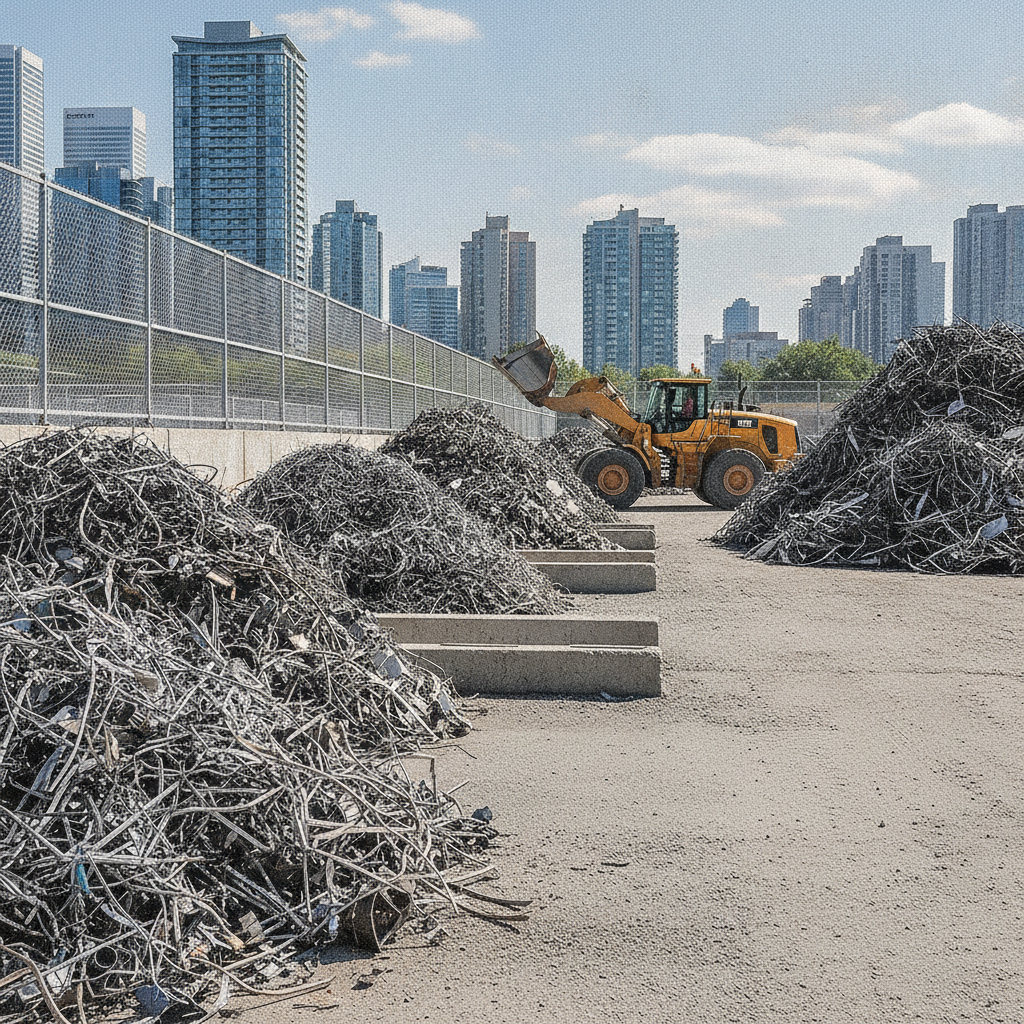
Stainless steel scrap is discarded stainless items and offcuts that retain value because the metal can be recycled repeatedly without losing performance. At Quick Scrap Metal in Etobicoke (407 Rexdale Blvd), you can turn stainless sinks, appliances, and shop offcuts into fast payment. Proper sorting and prep help you recycle responsibly and maximize your return.
By Preet Dass — Quick Scrap Metal
Last updated: 2026-06-08
Overview and table of contents
This guide explains what stainless steel scrap is, why it matters, how recycling works at our Etobicoke yard, and exactly how to prepare and drop it off. Use the quick table of contents to jump to identification, grades, preparation steps, local tips, and FAQs.
Use this practical, hands-on guide to get stainless ready fast and recycle it the right way at our Etobicoke scrap yard near HWY 27 & Rexdale.
- What is stainless steel scrap?
- Why stainless scrap matters
- How recycling works at Quick Scrap Metal
- Types and grades (304, 316, 400 series)
- Step-by-step: prepare stainless for drop-off
- Best practices to maximize value
- Tools and resources
- Real examples from Etobicoke
- Where to recycle near you
- Frequently asked questions
- Key takeaways
- Conclusion
What is stainless steel scrap?
Stainless steel scrap refers to used or leftover stainless items—like sinks, appliances, cookware, piping, and shop offcuts—that still contain valuable alloy content. Because stainless is durable and recyclable, scrap yards sort, process, and ship it to mills, where it’s remelted and turned into new stainless products.
In our experience, homeowners bring stainless sinks, BBQ parts, and cookware, while tradespeople unload tubing, sheet offcuts, and fasteners. Businesses drop off commercial kitchen fixtures and process equipment. If it’s metal, we buy it—especially clean stainless steel scrap that’s ready to recycle.
- Common household sources: kitchen sinks, pots, pans, range hoods, dishwashers, refrigerators (stainless exteriors), microwaves, grills.
- Contractor/trades sources: 300-series sheet and tube offcuts, 316 process piping, 400-series appliance panels, fasteners, brackets.
- Business/industrial sources: food-grade tanks, railings, commercial kitchen equipment, exhaust duct, conveyors, machine guards.
Want a broader metals drop? Our yard accepts mixed metals and e-waste alongside stainless; see our scrap metal recycling overview for what else to bring in one trip.
Why stainless steel scrap matters
Recycling stainless saves natural resources, reduces landfill, and feeds mills with high-quality secondary material. For Etobicoke and the Toronto metro, local drop-offs cut transport miles and keep valuable alloys in circulation. Clean, sorted stainless helps processors remelt efficiently and supports a circular metals economy.
Here’s the thing: stainless is engineered to last. When you recycle it instead of trashing it, you keep chromium and nickel in use and reduce the need for virgin mining. That’s better for air quality, energy use, and your space at home or on the job site.
- Environmental impact: Keeping stainless in the loop reduces waste volume and supports lower-energy remelting compared with primary production.
- Space and safety: Clearing bulky sinks or machine guards opens floor space and lowers trip hazards around homes and shops.
- Local benefit: Neighborhood recycling in Etobicoke avoids long hauls and supports a nearby network of processors and fabricators.
For a one-stop drop that takes stainless plus other metals, check our Etobicoke scrap and junk removal guide to plan an efficient run.
How stainless steel recycling works at Quick Scrap Metal
At our 407 Rexdale Blvd yard, you unload, we identify and weigh your stainless, then consolidate, sort, and move it to downstream processors. Clean, separated grades speed handling. You can combine stainless with other accepted metals, appliances, and e-waste for one convenient visit.
Our flow is simple, fast, and transparent. We’re open late on weekdays and open on Sundays, so you can swing by when it fits your schedule. Bring ID for smooth service, and let our team help with unloading heavy sinks or equipment.
- Arrive and stage: Follow signage to the stainless and non-ferrous drop lane.
- Identify: We test magnetism and look for grade stamps (e.g., 304, 316, 409).
- Weigh and log: Items are weighed; clean separation speeds this up.
- Consolidate: We sort stainless by grade and remove obvious contamination.
- Aggregate: Loads are prepared for processors and remelters.
Planning a bigger cleanout? Review our best price tips for Etobicoke and our yard’s scrap metal pricing overview to understand what affects value (no price list needed).
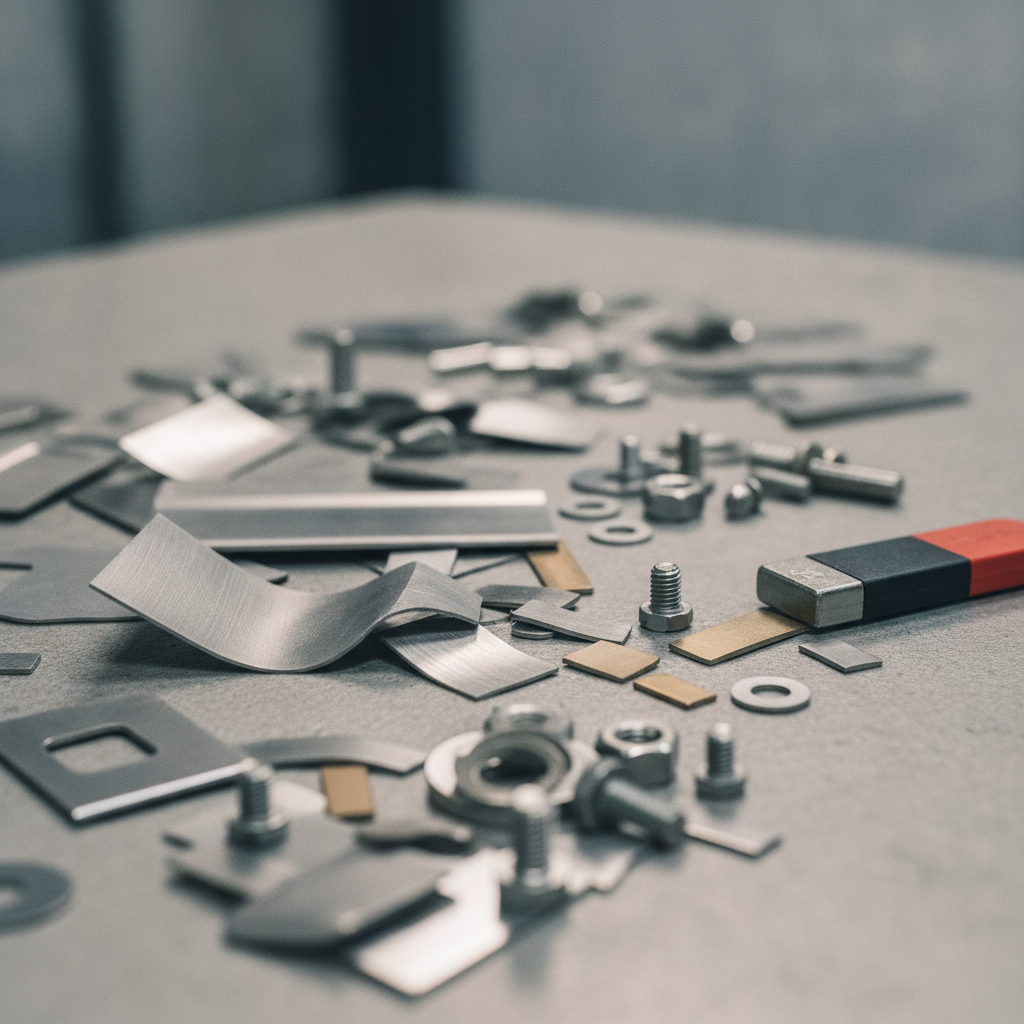
Types and grades of stainless steel scrap
Most stainless scrap falls into austenitic 300-series (often non-magnetic) or ferritic/martensitic 400-series (often magnetic). Common grades include 304 for sinks and cookware, 316 for chemical and marine uses, and 409/410 for appliances and automotive parts. Identify grade to sort smarter and speed yard processing.
Knowing your grade helps with preparation and expectations. 300-series typically resists magnet pull and contains nickel; 400-series often attracts a magnet and lacks nickel. You can also find duplex and specialty alloys in industrial drop-offs—ask our team if you’re unsure.
Quick identification tips
- Magnet test: Light magnet pull suggests many 400-series parts; weak or no pull suggests many 300-series pieces.
- Stamp markings: Look for 304/18-8 on sinks and cookware; 316 on marine or chemical piping; 409/410 on appliances and auto parts.
- Color and finish: Brushed or polished silver-gray with no rust is typical; surface orange stains can be transferred iron, not true rusting.
- Sparks and cut feel: Controlled shops may identify by spark testing or cutting feel—handy for fabricators dropping off offcuts.
Common sources by grade
- 304 (18-8): Kitchen sinks, work tables, cookware, railings, food equipment.
- 316 (Mo-bearing): Chemical lines, valves, marine fittings, pharma equipment.
- 409/410 (400-series): Appliance panels, automotive exhaust parts, cutlery, fasteners.
| Grade | Magnet Response | Typical Uses | Prep Notes |
|---|---|---|---|
| 304 | Often non-magnetic | Sinks, cookware, tables | Remove plastic, rubber feet, and attached steel |
| 316 | Usually non-magnetic | Marine and chemical piping | Clean of gaskets; keep separate from 304 |
| 409/410 | Often magnetic | Appliance and auto parts | Detach painted brackets and mild steel |
If your load includes other metals, use our ferrous metal recycling guide to separate steel, cast, and rotors before you arrive.
Step-by-step: prepare stainless for drop-off
Prepare stainless steel scrap by removing non-metal attachments, separating grades (304, 316, 400-series), and keeping it dry and free of food or oil. Bundle small offcuts in sturdy containers. Labeling by grade speeds weighing and helps you finish your visit faster.
- Sort by material: Pull stainless away from copper, aluminum, brass, and steel.
- Do the magnet test: Light attraction? Likely 400-series. No pull? Likely 300-series (304/316).
- Remove attachments: Plastic hoses, wood, insulation, rubber feet, wires, and heavy grease.
- Bundle smalls: Collect screws, brackets, and small offcuts in pails or boxes.
- Keep it dry: Moisture adds weight and mess. Store covered until drop-off.
- Label when known: Mark “304” vs “316” on boxes or tape for quick intake.
- Load safely: Distribute weight, strap tall items, and use gloves and eye protection.
Bringing appliances too? Our yard also accepts washers, microwaves, and more—see accepted items in our all-metal recycling guide before you drive over.
Best practices to maximize value and speed
Separate stainless from other metals, keep loads clean, and isolate 316 from 304 when possible. Removing obvious contaminants and organizing small pieces saves time at the scale. Plan drop-offs during lighter traffic windows for a quicker in-and-out experience.
- Keep grades separate: Don’t mix 304, 316, and 400-series if you can avoid it.
- Cut oversized items: Large tanks or tables move faster when cut into safe sections.
- Minimize contamination: Remove bolts made of mild steel; keep food residues out.
- Stack smart: Place flat sheet on the bottom, then tubing, then smalls upfront for easy unloading.
- Time your trip: Weekday mornings usually move faster than late afternoons.
We walk you through intake either way, but tidy prep always helps. For more general tips across metal categories, review our scrap recycling guide for Etobicoke.
Tools and resources for sorting stainless
A pocket magnet, permanent marker, utility knife, and basic PPE are all you need to sort most stainless steel scrap. Fabricators can add an angle grinder and scale. Use simple containers—pails, bins, or boxes—to keep offcuts and fasteners together by grade.
Handy items for homeowners
- Small magnet: Quick grade clues (300 vs 400-series).
- Marker and tape: Label “304,” “316,” or “unknown.”
- Gloves/eye protection: Safer loading and unloading.
- Utility knife: Remove plastic trim or gasket material.
Shop add-ons for trades
- Angle grinder/recip saw: Break down bulky assemblies.
- Shop scale: Pre-stage loads by grade and size.
- Bins and pallets: Keep 304/316 offcuts clean and separate.
Pre-sorting pays in time saved. If you’re moving bigger mixed loads, our drop-off and removal guide maps an efficient approach to multi-material cleanups.
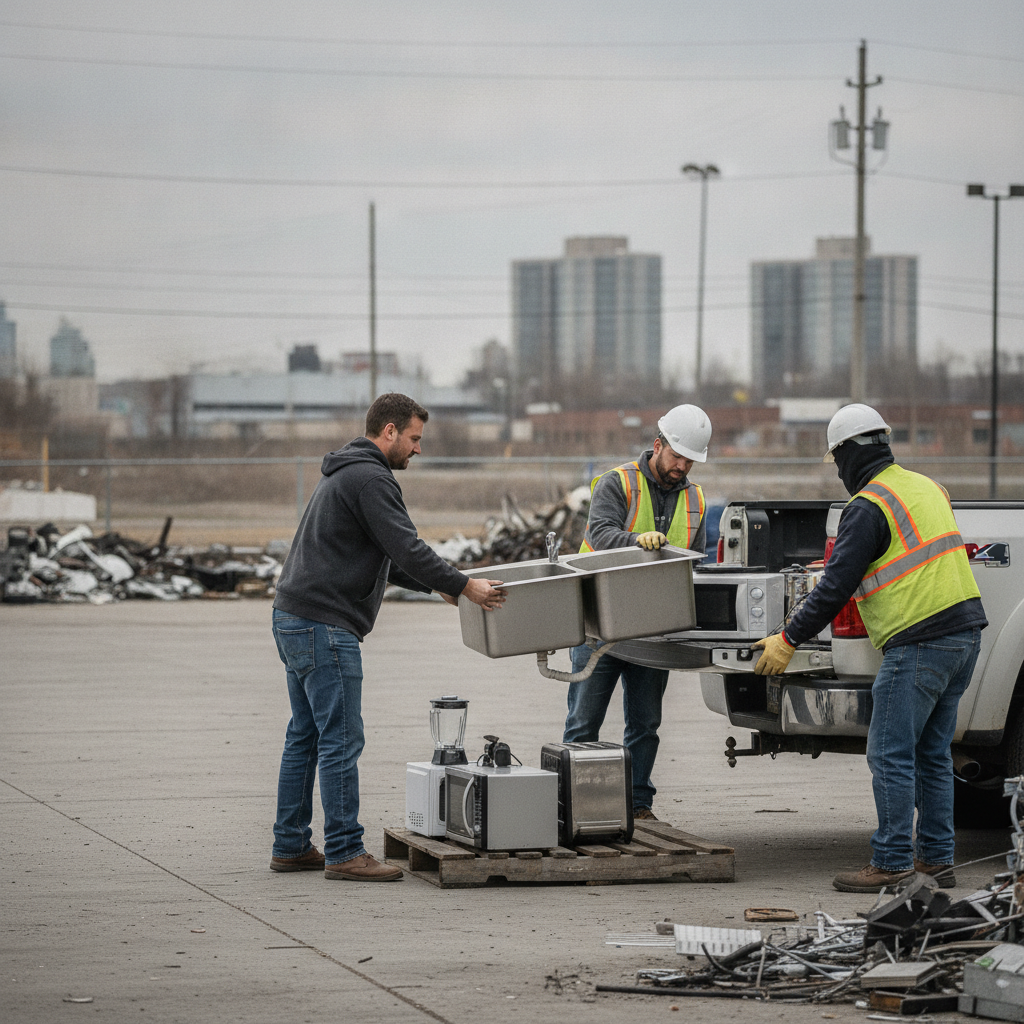
Real-world examples from Etobicoke
Homeowners, trades, and local businesses in Etobicoke use our yard to clear clutter and recycle stainless fast. Clean sinks, appliance panels, and 304/316 offcuts move through intake quickly. Organizing by grade and removing non-metal attachments consistently shortens visit time and helps maximize your return.
- Home kitchen refresh: A resident brought a 304 sink, range hood, and pots. Labeled boxes sped intake, and our team helped unload safely.
- Fabrication offcuts: A shop dropped 304 sheet and 316 tube trims in pallet bins—zero contamination meant smooth weighing.
- Catering company cleanup: Stainless prep tables and pans were bundled; rubber feet and plastic edging removed beforehand.
- Auto exhaust swap: Mixed 409 sections and brackets came in; the customer separated mild steel hangers to keep the load cleaner.
Have a vehicle at end-of-life? If you’re comparing options, see this third-party scrap car resource for background while you plan your metals drop-offs.
Where to recycle stainless steel in Etobicoke
Drop stainless steel scrap at Quick Scrap Metal, 407 Rexdale Blvd, Etobicoke. We serve the Toronto metro, with extended weekday hours and Sunday openings for convenience. Bring stainless alongside other accepted metals, appliances, and electronics to finish multiple tasks in one visit.
We’re easy to access near HWY 27 & Rexdale, with clear lanes for quick staging. Our team can assist with heavier items. For a broader look at accepted categories and planning multi-metal runs, check our steel-selling guide and accepted materials list.
Local considerations for Etobicoke
- Weekend family trips to Woodbine Mall & Fantasy Fair? Plan your drop earlier in the day to avoid traffic pinch points nearby.
- Winter weather adds slush and moisture—cover stainless to keep it dry before arrival.
- Busy shop season? Call ahead for timing guidance; our extended hours help you avoid lineups.
How stainless fits into bigger projects
Stainless shows up across renovations and light commercial jobs—sinks, backsplashes, rails, and equipment. When you demo or upgrade, stage stainless separately so it doesn’t get buried in mixed debris. Dedicated bins reduce rework later and make your metals run quick and efficient.
If you’re researching steel products, third-party construction resources on steel studs and framing and a high-level rebar basics guide show where ferrous materials fit. When that hardware reaches end-of-life, our Etobicoke yard is ready for safe, responsible recycling.
Frequently asked questions
These quick answers cover how to identify stainless grades, what prep helps most, and how to combine stainless with appliances or electronics for a single, efficient drop-off at our Etobicoke yard.
How can I tell 304 from 316 at home?
Use a magnet first: many 304 and 316 pieces won’t attract. If you see a “316” stamp on pipe or fittings, keep it separate. When in doubt, label as “unknown” and our team will test during intake.
Can I bring stainless with other metals and e-waste?
Yes. We’re a one‑stop drop‑off for mixed metals, appliances, and electronics. Keep stainless separate from copper, aluminum, and steel to speed weighing. Bag small stainless fasteners and label boxes when possible.
Do I need to remove plastic and rubber parts?
Removing obvious non‑metal attachments—like rubber feet, plastic edging, or insulation—always helps. Cleaner material moves through intake faster and keeps your drop‑off simple.
What are good times to visit the yard?
Weekday mornings are often faster than late afternoons. We’re open late on weekdays and open on Sundays, so you can plan around work and traffic. Call ahead for guidance if you have a larger load.
Key takeaways
Sort stainless by grade, remove non‑metal attachments, and keep items dry. Stage small offcuts in containers. Use our extended hours to combine stainless with other accepted metals, appliances, and electronics for one efficient Etobicoke drop‑off.
- Use a magnet and labels to separate 304, 316, and 400-series.
- Keep loads clean and organized for the fastest intake.
- Combine stainless with other accepted materials in one run.
- Visit our Etobicoke yard near HWY 27 & Rexdale when it suits your schedule.
Conclusion
Stainless steel scrap is a high‑value, endlessly recyclable material. With simple sorting and light prep, you can clear space and recycle responsibly at our Etobicoke yard. Bring stainless alongside other accepted metals, appliances, and electronics—one trip, fast service, and a cleaner shop or home.
Ready to move stainless steel scrap today? Stop by Quick Scrap Metal, 407 Rexdale Blvd, or plan your visit with our guides on selling steel and accepted metals. If a vehicle is part of your cleanup, review this independent scrap car site while you organize your run.
Plan a smooth stainless drop-off. Skim our best-price checklist, then check accepted items in the materials guide. Visit us any day—we’re open late on weekdays and open on Sundays.