
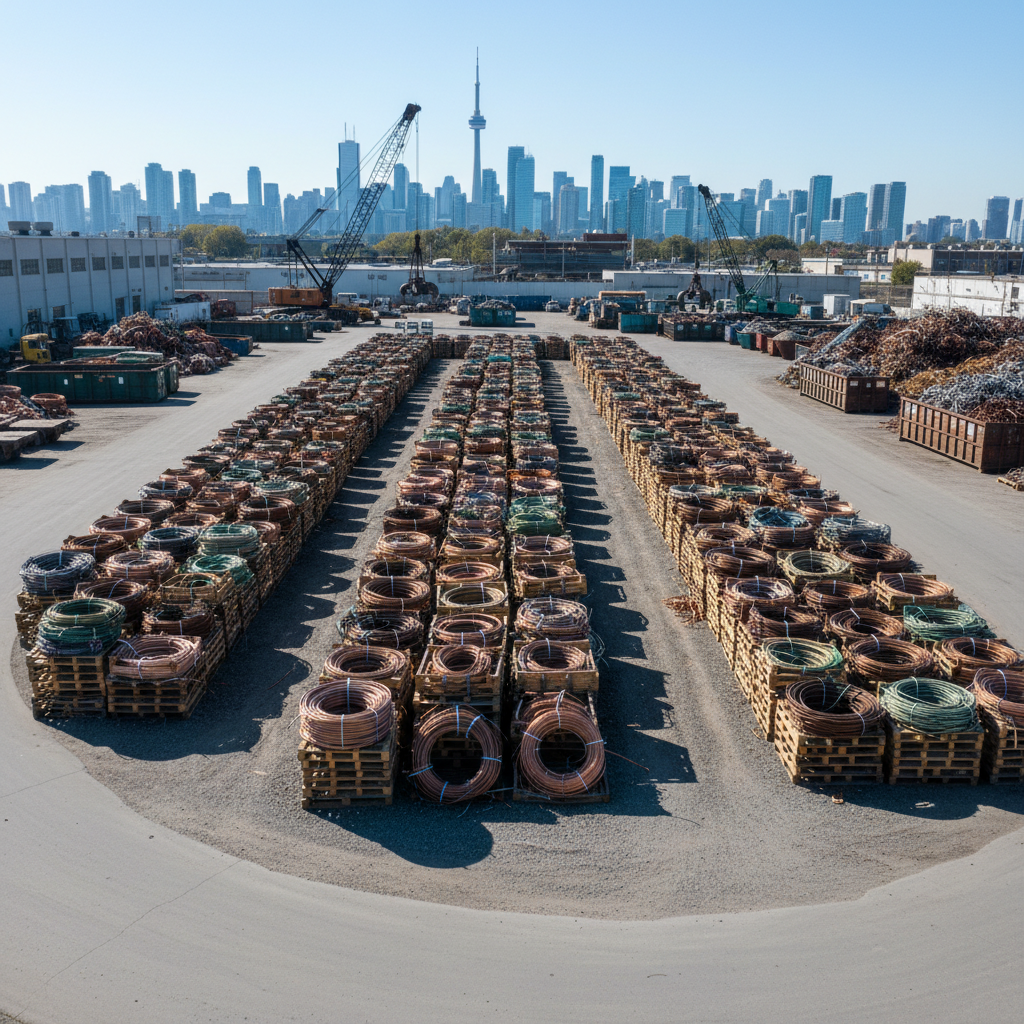
Copper recycling centers turn household and commercial copper—like wire, pipe, and radiators—into reusable metal through safe collection and processing. At 407 Rexdale Blvd in Etobicoke, our copper recycling center helps Toronto residents and trades drop off copper fast, get paid on the spot, and keep valuable material in circulation responsibly.
By Preet Dass · Last updated: 2026-06-07
Above the Fold: Why Copper Recycling Now
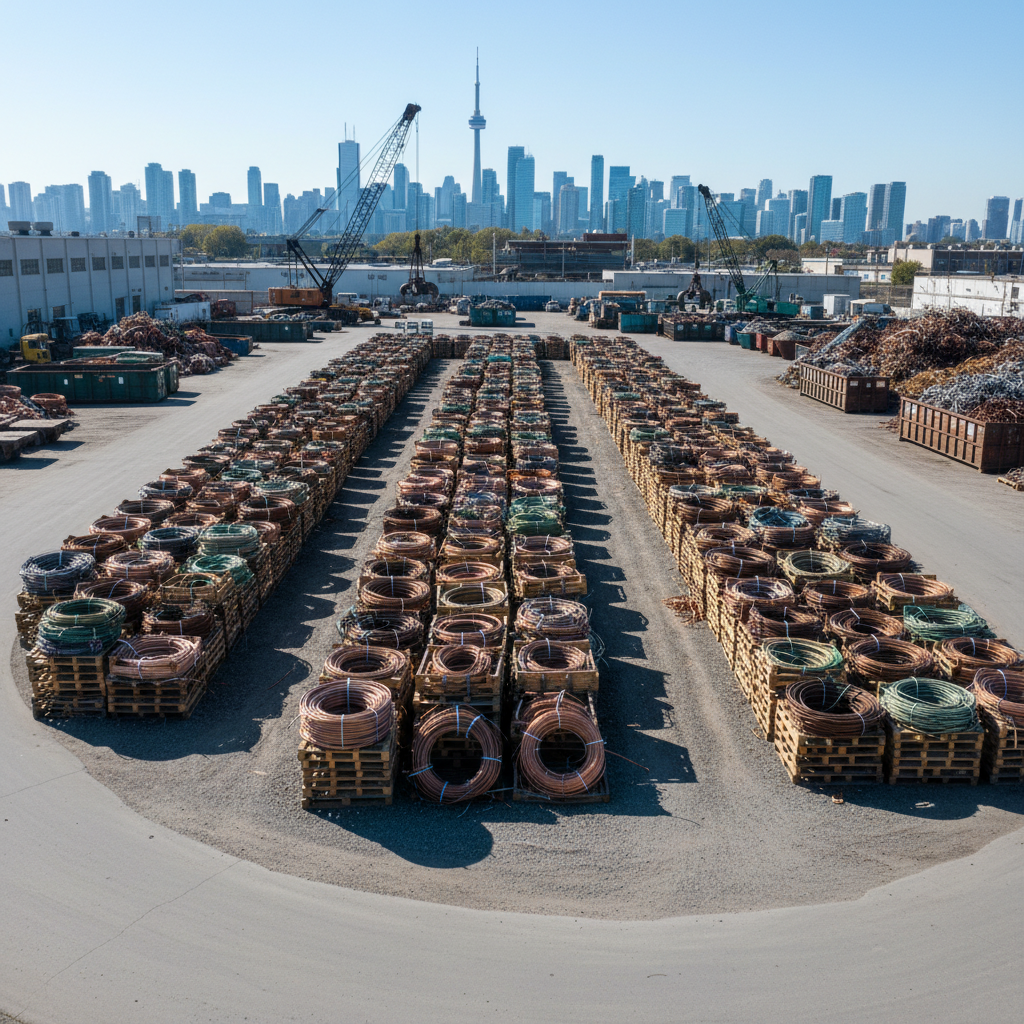
Bring your copper wire, pipes, and radiators to a copper recycling center to convert clutter into value quickly. You’ll keep metal out of landfills, conserve energy used to mine and refine new copper, and get paid fast. In Etobicoke, Quick Scrap Metal offers extended hours and easy access off HWY 27 & Rexdale.
Here’s what you’ll get from this complete guide to copper recycling in the Toronto metro:
- What counts as copper and what to separate before you arrive
- How a copper recycling center works step by step
- Preparation tips that streamline drop-off and support better outcomes
- Local guidance for Etobicoke and nearby neighborhoods
- Best practices for homeowners, trades, and small businesses
- Legal, ID, and safety notes you shouldn’t skip
Quick Summary
A copper recycling center buys, sorts, and ships copper for reprocessing. Clean, separated wire and tubing move faster and support better valuations. In Etobicoke, Quick Scrap Metal accepts copper plus appliances and e‑waste, so you can clear more in one trip with on-the-spot payouts and documented handling.
Use this section to align your plan:
- Grades to know: Bare Bright, #1, #2, and insulated copper wire
- Prep checklist: remove steel fittings, solder, and heavy coatings
- Drop-off flow: weigh-in, inspection, documentation, and payout
- One-stop convenience: metals, appliances, and electronics accepted
What Is a Copper Recycling Center?
A copper recycling center is a specialized yard that buys, verifies, and consolidates copper—wire, pipe, motors, and components—for efficient reprocessing. In Etobicoke and the Toronto metro, these facilities help residents and trades clear space, receive quick payouts, and keep copper in the circular economy.
Think of the center as the hub between households, job sites, and downstream processors. We verify metals at the scale, separate by grade, remove contaminants, and prepare loads for smelters. The result: less mining demand, less landfill volume, and a steady stream of quality secondary copper.
What gets accepted most days
- Bare Bright and #1 copper wire (clean, uncoated, shiny)
- #1 and #2 copper tubing (minimal vs. visible solder/paint)
- Insulated copper wire (separated by type/gauge)
- Motors, radiators, HVAC components, and compressors (properly drained and safe to handle)
Because Quick Scrap Metal is a one-stop drop-off, you can also bring appliances and many electronics with your copper. To plan the copper portion of your visit, see our scrap copper wire guide and this focused page on selling scrap copper.
Why Copper Recycling Matters
Recycling copper conserves resources, reduces greenhouse gas emissions from primary production, and keeps a high-value, endlessly recyclable metal in use. For residents and trades, it also turns clutter into immediate value and supports responsible materials management in the local community.
Here’s the thing: copper can be recycled repeatedly without losing performance. That means every roll of wire and piece of pipe you bring in is a direct feedstock for new products. The process avoids the environmental overhead of mining, ore transport, and primary smelting.
Benefits you can feel
- Environmental: Less landfill volume, fewer extraction impacts, and lower energy per pound compared to primary production.
- Community: Local yards like ours maintain reliable supply for regional manufacturers and contractors.
- Personal: You declutter garages, job trailers, and storage bins while receiving on-the-spot payouts.
We’ve found that when homeowners bundle copper with old appliances and electronics in one trip, they finish the cleanout faster and keep every material stream directed to the right downstream path. See how we handle mixed loads in our all-scrap recycling overview.
How Copper Recycling Works (Step-by-Step)
Copper recycling follows a clear flow: identify and sort your material, remove obvious contaminants, weigh in at the yard, and receive a same-visit payout after verification. Clean, separated copper moves quickly and supports better outcomes for everyone.
Step-by-step flow you can follow
- Identify material: Use a magnet (copper is non-magnetic). Check color and weight; copper shows a reddish tone with high density.
- Sort by grade: Separate Bare Bright, #1, #2, and insulated wire. Use dedicated bins or contractor bags.
- Remove attachments: Take off steel/brass fittings, brackets, and heavy solder or paint where practical and safe.
- Secure transport: Bundle long tubing, loosely coil wire, and tarp open-bed hauls.
- Weigh-in and verify: Follow yard traffic flow, unload in the designated lane, and let our team verify grades.
- Document and get paid: Bring a valid photo ID; we’ll document the transaction and complete your payout.
Want a deeper dive on optimizing your prep time? Our Etobicoke-focused guide to scrap metal recycling explains site flow, safety, and accepted metals at a glance.
Copper Grades and How to Prepare
Prepare copper by removing paint, solder, and attachments, then separate Bare Bright, #1, #2, and insulated wire. Clean, sorted copper speeds inspection and weighing and supports better outcomes. Label containers by grade to keep everything simple at drop-off.
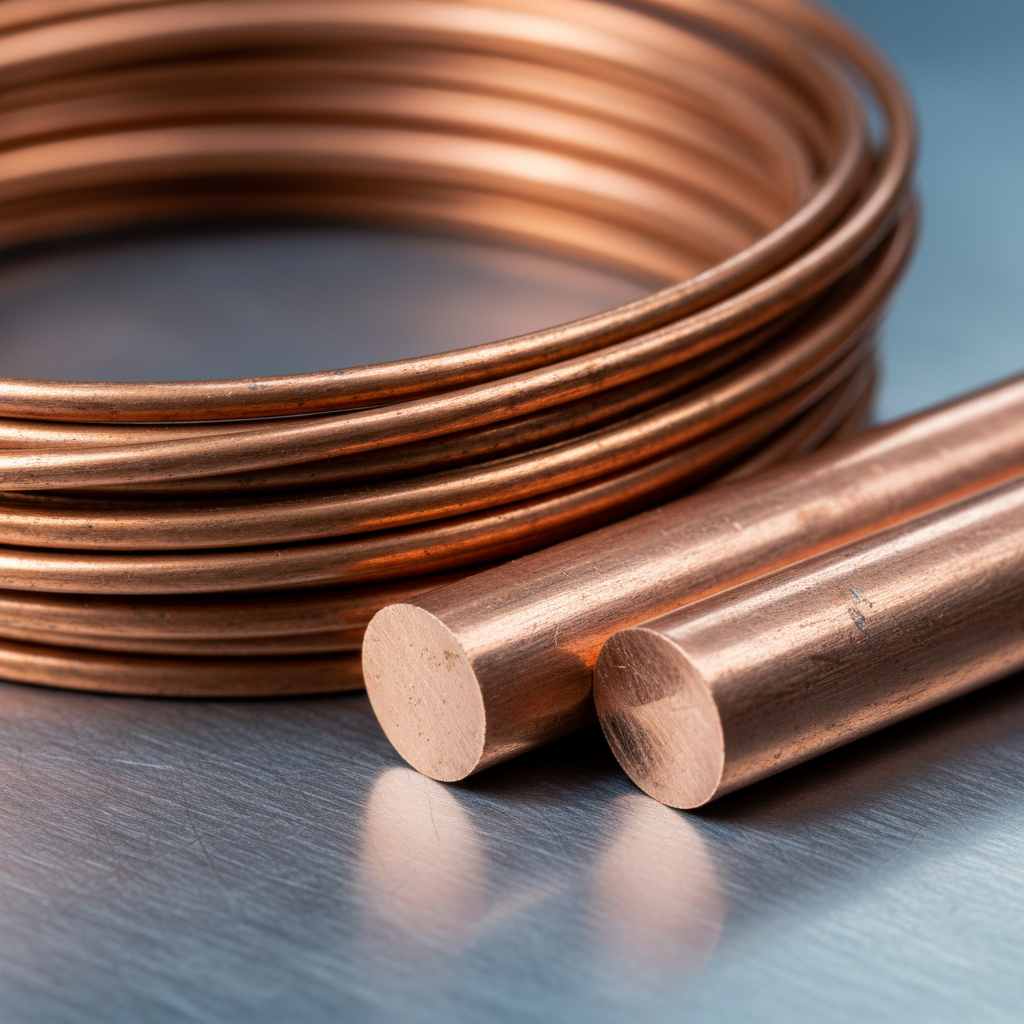
What the main grades look like
| Grade | Visual traits | Typical sources | Prep tips | Common mistakes |
|---|---|---|---|---|
| Bare Bright | Shiny, uncoated copper wire with no insulation | Electrical offcuts, stripped THHN, bus bars | Keep oil/paint off; coil loosely, don’t knot | Mixing in tinned/oxidized strands |
| #1 Copper | Clean tubing/wire; minimal tarnish, no heavy solder | Plumbing tubing, clean wire segments | Remove brass valves and steel brackets | Leaving on fittings and excessive flux |
| #2 Copper | Painted, soldered, or lightly corroded pipe | Renovation tear‑outs, older plumbing runs | Cut off steel screws and mixed-metal joints | Mixing #1 with #2 or brass in the same bin |
| Insulated Wire | Copper conductors with plastic/rubber jackets | Romex, extension cords, appliance wire | Separate by thickness/type; no live circuits | Stripping thin wire unsafely for minimal gain |
Preparation checklist (quick wins)
- Cut long pipe into manageable sections (safe, controlled cuts)
- Remove brass valves, steel screws, and mixed-metal fittings
- Keep oil, adhesives, and heavy paint off where practical
- Label bins: “Bare Bright,” “#1,” “#2,” and “Insulated”
- Coil wire loosely; avoid tight knots that slow inspection
For wire-specific tactics, use our focused copper wire recycling guide. If you’re organizing a larger cleanout, see how our household scrap removal options help consolidate trips.
Local Notes: Etobicoke and Toronto
In Etobicoke and the broader Toronto metro, choose accessible yards near major routes for efficient drop-offs. Quick Scrap Metal at 407 Rexdale Blvd offers extended weekday hours and Sunday openings—ideal for trades finishing late and residents clearing garages on weekends.
Local considerations for Etobicoke
- Plan runs between site visits near Woodbine Mall & Fantasy Fair to avoid peak traffic.
- During winter, watch for ice; secure coils and pipe bundles to prevent shifting.
- Bringing mixed loads (copper + appliances + e‑waste)? Use our one‑stop drop‑off to streamline sorting.
Need a refresher on accepted categories beyond copper? Our all-scrap metal page lists ferrous, non‑ferrous, and e‑waste accepted at 407 Rexdale Blvd.
Tools and Resources
Simple tools speed prep: a magnet for quick ID, wire cutters, a utility knife, PPE, and labeled bins. For motors and electronics, use basic hand tools and recycle non‑copper components at the same yard when accepted, keeping every stream handled responsibly.
Basic toolkit for better prep
- Hand tools: cutters, pliers, utility knife, adjustable wrench
- Testing: magnet for ID, simple multimeter for continuity checks
- Safety: gloves, eye protection, long sleeves, closed‑toe shoes
- Organization: stackable bins or contractor bags labeled by grade
For homeowners handling appliance and electronics cleanouts along with copper, review our Toronto recycling overview to understand how we route different streams—no numbers, just process clarity.
Best Practices for Faster, Safer Drop-Offs
Keep copper clean, separated, and safely packed. Arrive with valid ID, clear labeling, and an organized vehicle bed. Follow lane directions for unloading and weigh-in to keep turnaround times tight and safe for everyone on site.
What speeds up your visit
- Bundle long pipe with tape or straps to prevent rolling.
- Bag small fittings by metal type; avoid mixing brass and copper.
- Coil wire loosely; don’t knot or tape into tight bricks.
- Remove heavy coatings and obvious mixed‑metal attachments where practical.
- Use tarps or nets on open beds for safe transport.
Tradespeople often combine copper drop-offs with jobsite logistics. If you’re coordinating with other trades on a renovation or build, it helps to align material offcuts and removal windows with delivery timetables from partners in your supply chain. For example, regional reinforcement schedules from a rebar fabrication guide can inform your scrap runs so your truck leaves a site full and returns empty.
Pricing Factors (No Numbers—What Affects Value)
Value is shaped by grade purity, weight, and current market dynamics. Clean, separated Bare Bright and #1 tubing generally support stronger outcomes than painted or soldered pieces. Consistency and reduced contamination improve processing efficiency for both sellers and downstream processors.
Factors you control
- Grade: Bare Bright, #1, #2, and insulated wire carry different outcomes.
- Contamination: Minimize paint, solder, steel screws, and valves.
- Volume: Consolidated, well‑organized loads reduce handling time.
- Timing: Group your drop-offs around project milestones to save trips.
Curious about broader market context and how different metals compare? See our page covering scrap copper and related metals for educational guidance (no specific numbers), then check our main overview on scrap metal recycling in Etobicoke for accepted categories.
Case Studies and Real-World Examples
Homeowners and trades across Etobicoke use our copper recycling center to clear space and get paid the same visit. Clean, separated wire and pipe reduce inspection time. Mixed loads with appliances or electronics are accepted, so you can finish more in a single trip.
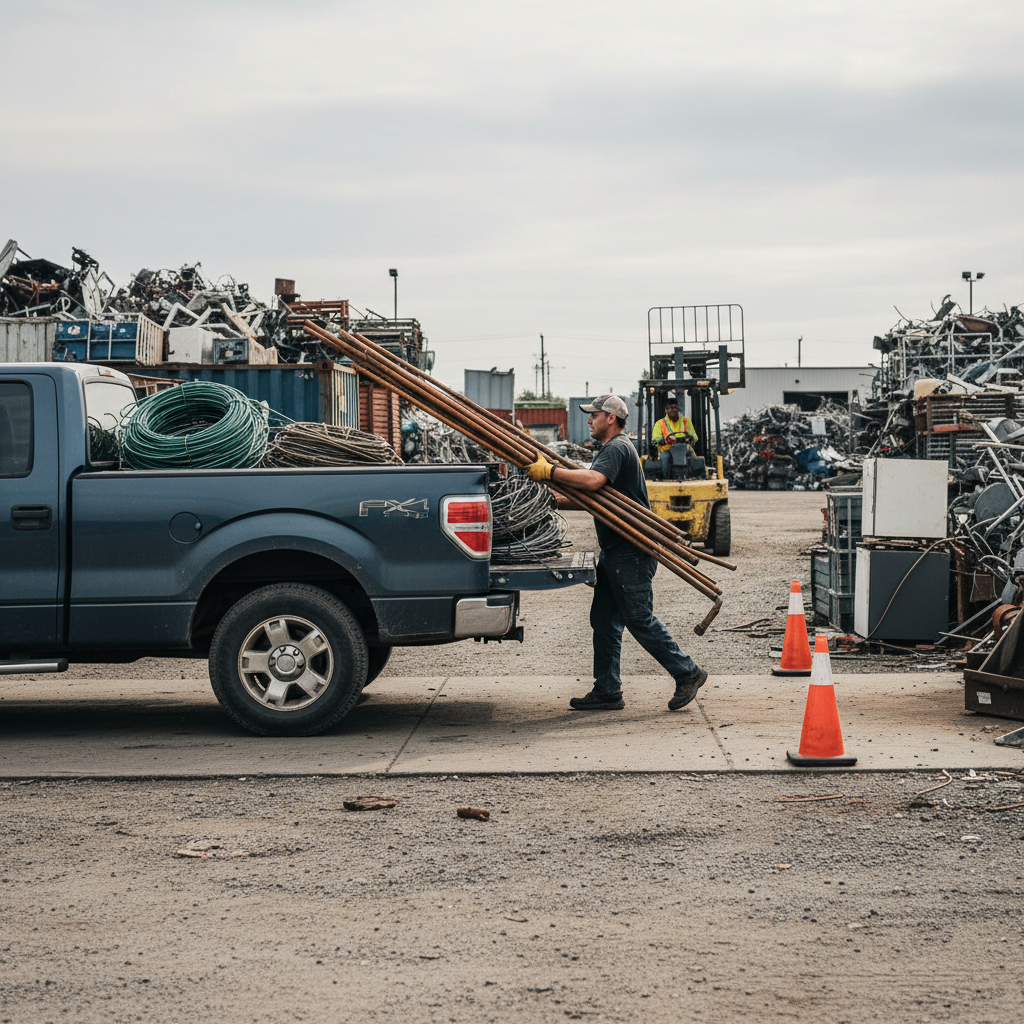
Three quick scenarios we see weekly
- Electrical contractor drop: Coils of THHN separated by gauge with Bare Bright kept clean and dry; unload to the wire lane for quick verification.
- Renovation cleanout: #2 copper pipe with fittings removed in advance; bundled sections speed weigh‑in and reduce re-sorting.
- HVAC swap: A/C coils and copper tubing drained and labeled; mixed load includes a retired compressor and appliance wire.
For vehicle owners pairing copper with end‑of‑life cars, coordinating transport pays off. A regional vehicle scrappage resource like a dedicated scrap car service can help you time tows around your copper drop-off so you make one efficient materials run.
Frequently Asked Questions
Most questions focus on what types of copper are accepted, how to prep insulated wire, ID requirements, and whether mixed loads are okay. These quick answers help first-time and frequent sellers plan smooth visits to the yard.
What types of copper do you accept?
Common types include Bare Bright, #1 and #2 copper tubing, and a range of insulated copper wire. We also accept copper in motors, radiators, and HVAC components when safely removed. Bring items clean and separated by grade for the best experience.
Should I strip insulated wire?
Stripping can be worthwhile for thicker gauges if done safely. For thin or mixed wire, it’s often more efficient to keep insulation on and separate by wire category. Never strip energized wire, and use proper PPE to avoid injury.
Can I bring mixed loads with appliances or e‑waste?
Yes. Quick Scrap Metal is a one‑stop drop‑off for metals, appliances, and many electronics. Keep copper, steel, and electronics in separate containers if possible. We’ll guide you at the yard so unloading and weighing stay fast and accurate.
Do I need ID to sell copper?
Bring a government‑issued photo ID. It helps prevent theft and supports transparent recordkeeping. Having ID ready keeps your visit quick, especially during busy hours.
Can licensed trades drop off after hours?
We’re open late on weekdays and open Sundays to help you align drop‑offs with job schedules. If you’re coordinating with other services, resources like a local plumber guide can help align visits and keep projects moving.
Key Takeaways
Sort and label by grade, keep copper clean, and plan your route. In Etobicoke, Quick Scrap Metal’s extended hours, one‑stop acceptance, and quick payouts make copper recycling simple for homeowners, tradespeople, and local businesses.
- Know the four core grades: Bare Bright, #1, #2, and insulated wire
- Remove obvious mixed‑metal fittings and heavy coatings
- Secure loads; follow yard flow for fast weigh‑in
- Combine metals, appliances, and e‑waste to finish more in one trip
Conclusion and Next Steps
Bring your copper to a nearby copper recycling center to clear space, support sustainability, and receive fast payouts. In Etobicoke, Quick Scrap Metal offers easy access off HWY 27 & Rexdale, extended hours, and acceptance of metals, appliances, and many electronics in a single stop.
- Sort and label copper by grade before you arrive
- Bundle long pipe and loosely coil wire
- Pair copper with appliances/e‑waste for one efficient run
- Visit 407 Rexdale Blvd for streamlined drop‑off and on‑the‑spot payout
Coordinating a larger project? Align material removal windows with your other vendors and suppliers. For construction timelines, a regional rebar supplier guide can help sequence site work so your crew—and your scrap—move efficiently.