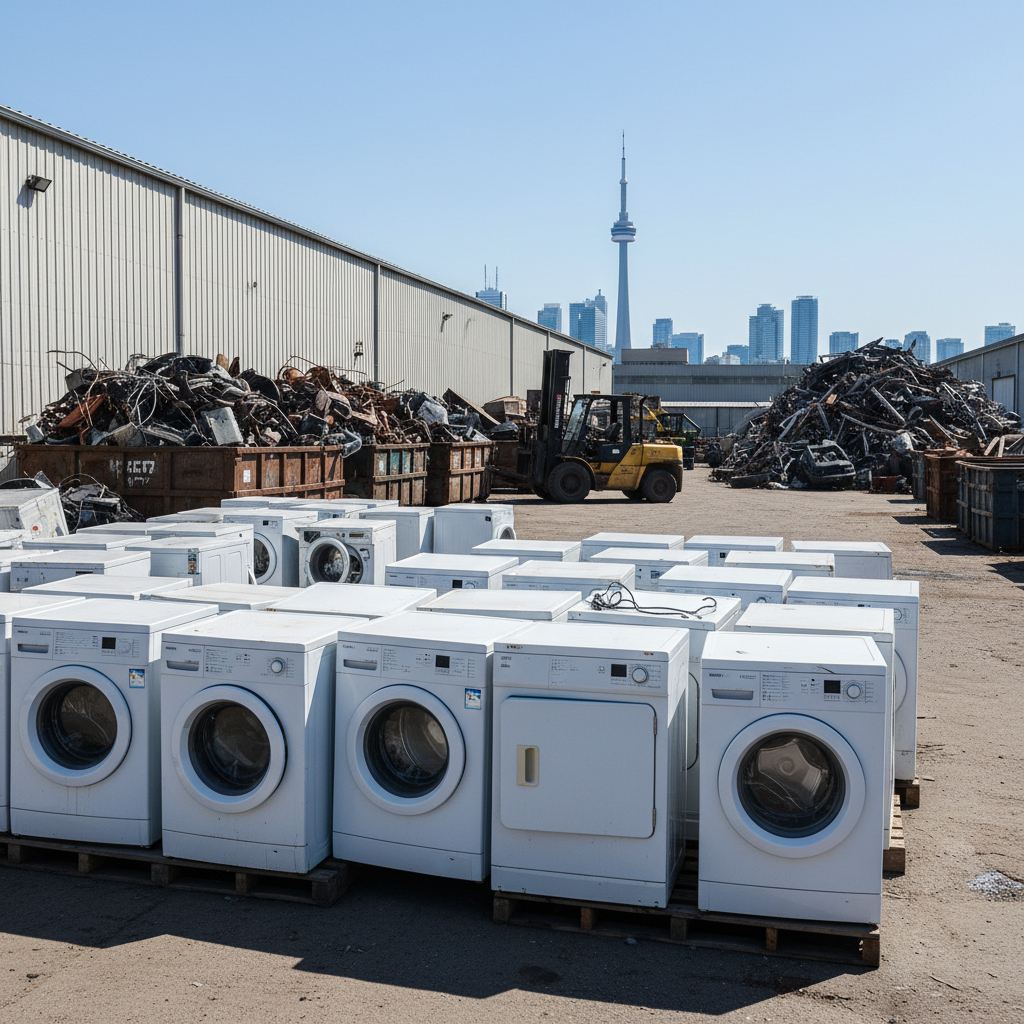
Washing machine scrap value is the recoverable worth of a washer based on its metal weight and components. Most value comes from steel, plus copper in the motor and wiring. If you’re near 407 Rexdale Blvd in Etobicoke, you can drop off washers at Quick Scrap Metal for fast, responsible recycling and on-the-spot payment.
By Preet Dass | Last updated: May 24, 2026
Quick Summary & Table of Contents
A washer’s scrap value depends on weight, metal mix (mostly steel), and whether you strip high-yield parts like the motor and wiring. This guide explains what affects value, safe dismantling, when to bring it whole, and how Quick Scrap Metal in Etobicoke makes drop-off easy with extended hours.
Use this complete guide to understand the moving parts behind washer recycling and how to turn an old appliance into quick cash while staying eco‑friendly.
- What washing machine scrap value really means, in plain English
- Why value varies by build type, weight, and materials
- How appliance recycling works from your driveway to the yard
- Strip vs. whole-unit: a clear, side-by-side comparison
- Best practices for safe, faster drop-offs in Etobicoke
- Tools, safety tips, and resources for DIY dismantling
- Real examples from local sellers and common pitfalls
What Is Washing Machine Scrap Value?
Washing machine scrap value is the money you receive for the recyclable metals and components in a used washer. Most value comes from ferrous steel, with added returns from copper windings, aluminum parts, and wiring. Heavier units with intact motors typically yield more because they contain more recoverable material.
Put simply, you’re selling metal weight and recoverable parts, not a brand or model name. The category (top‑load vs. front‑load), age, and whether components like the motor and wiring are intact all influence results. If you don’t want to strip it, bringing the complete unit is still efficient—yards like Quick Scrap Metal handle the sorting on-site.
- Primary metal: Ferrous steel makes up the cabinet and chassis.
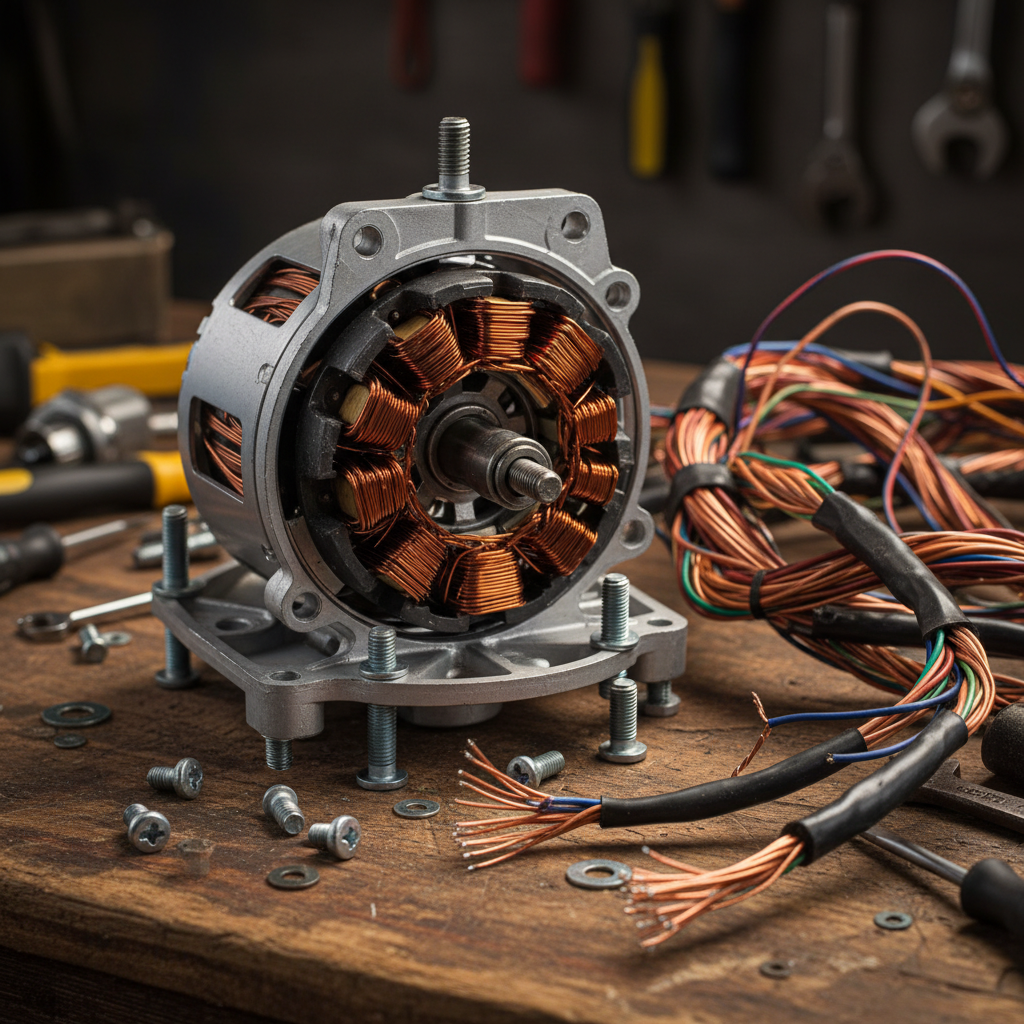
- High-yield parts: Electric motor, copper wiring harnesses, power cord.
- Other metals: Stainless panels on some models, aluminum pulleys and brackets.
- Non-metals: Plastics and rubber add weight but no metal value; yards manage them responsibly.
For homeowners short on time, Quick Scrap Metal’s simple drop-off saves effort. For tinkerers, separating a motor or cord can add incremental value. Either route keeps metal in circulation and out of landfill.
Why Washing Machine Scrap Value Matters
Scrapping a washer pays you for materials while conserving resources. Steel and copper are infinitely recyclable, reducing the need for new mining and energy. Recycling appliances also prevents improper disposal and keeps bulky items out of landfills and illegal dumping sites.
Value isn’t just about a payout; it’s about impact and convenience. Recycling metals lowers environmental footprint by returning material to the manufacturing loop. In our experience at Quick Scrap Metal, people appreciate a clean garage as much as cash-in-hand.
- Space back: Washers are big. Turning one into cash clears storage faster than listing and haggling.
- Resource recovery: Steel and copper can be remade, again and again.
- Responsible handling: Appliances contain oils and residues that should be managed in a proper facility.
- Time savings: Extended hours mean you can drop off when it fits your schedule—no waiting around.
When you’re evaluating options, ask yourself: Is the unit still reliably working? If yes, a local resale may be better for someone who needs it. If not, scrapping is the fastest, surest route to recover value and recycle responsibly.
How Washing Machine Recycling Works
Appliance recycling starts with your drop-off, followed by safe depollution and material separation at the yard. Metals are sorted into ferrous and non‑ferrous streams, then sent to processors. In Etobicoke and the Toronto area, Quick Scrap Metal streamlines this flow with clear intake steps and fast turnaround.
Here’s the typical path your washer follows from driveway to mill-ready material:
- Intake and weigh-in: We confirm the item, check for hazards (water, fuel, or loose debris), and direct it to the correct unloading area.
- Depollution and prep: Any residual oils or refrigerants (for other appliances) are removed per best practice. Washers are assessed for reusable parts vs. direct shredding streams.
- Material separation: Steel, motors, wiring, and any aluminum or stainless are separated to the appropriate bins.
- Aggregation: Sorted materials are bundled for downstream processors who melt and reforge metals into new products.
Throughout, we prioritize safe handling, quick service, and transparent communication. If you’re bringing multiple items—say, a washer plus mixed scrap—let us know at unloading so we can sort everything efficiently.
Local considerations for Etobicoke
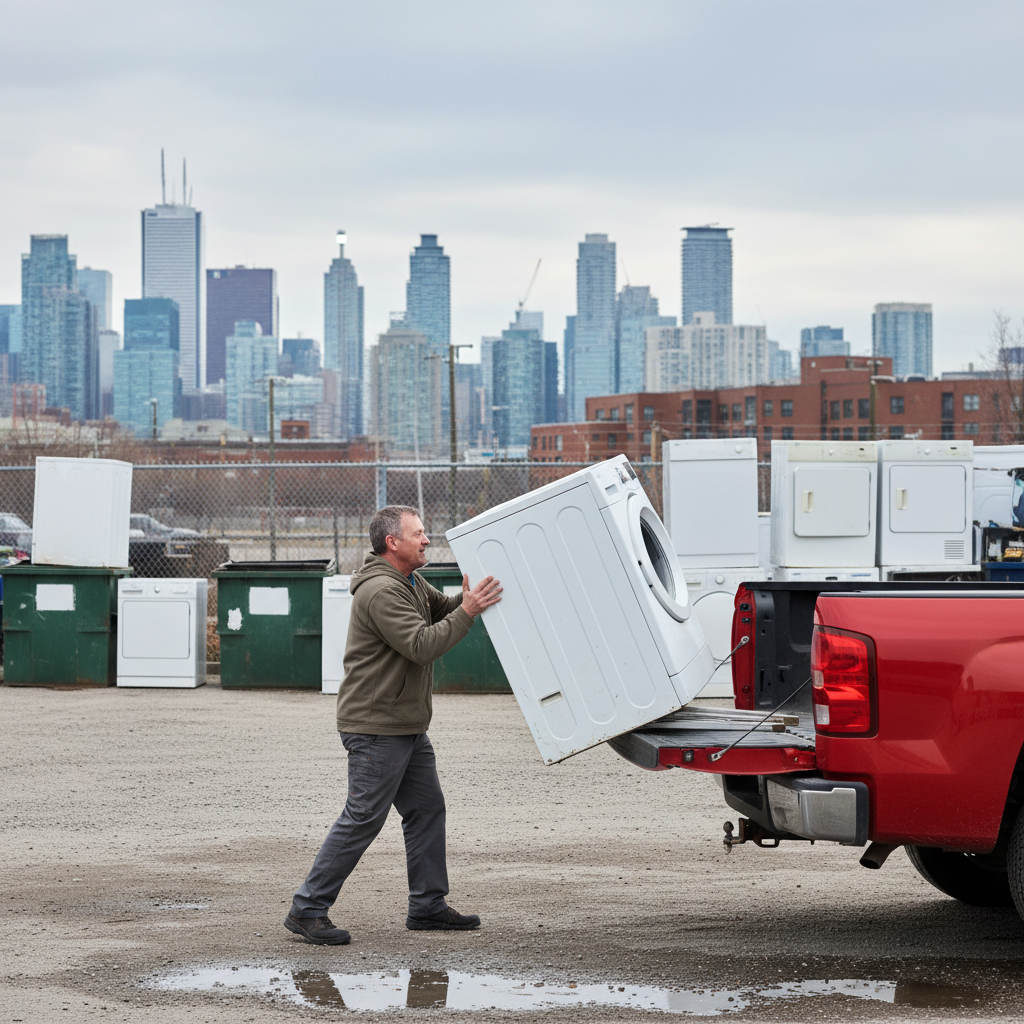
- Plan drop-offs around neighborhood traffic near HWY 27 & Rexdale. If you’re combining errands, we’re minutes from Woodbine Mall & Fantasy Fair.
- Winter brings snow and ice—secure appliances to trucks and clear pathways at home to avoid lifting hazards.
- For contractors working multiple Toronto jobs, batch your metal loads and call ahead so we can speed up intake.
Approaches to Maximize Value: Strip Parts vs. Bring Whole Unit
You can maximize washer scrap value either by delivering the whole unit for quick payout or by stripping high-yield parts first. The motor, wiring, and power cord often add incremental returns. If time or tools are limited, bringing the intact washer is still efficient and well worth it.
Both paths work. The best choice depends on your tools, time, and comfort level. If you’re unsure, bring the washer whole—we’ll handle separation on-site. If you enjoy DIY, removing safe, easily accessible components can add a bit more.
At-a-Glance Comparison
| Approach | What You Do | Pros | Trade-Offs | Best For |
|---|---|---|---|---|
| Bring Whole Unit | Load washer and drop off intact | Fastest; no tools; yard separates metals | Misses incremental gains from parts | Busy homeowners; quick garage cleanups |
| Strip Select Parts | Remove motor, wiring harness, power cord | Extra value from copper-bearing parts | Takes time; requires basic tools and safety | DIYers; tradespeople comfortable with tools |
Which parts are most worthwhile?
- Electric motor: Contains copper windings and steel. It’s dense and easy to identify once the back panel is open.
- Power cord: Copper wiring with protective insulation; simple to remove with cutters.
- Wiring harness: Bundled copper wires inside the cabinet; remove only if you’re comfortable opening panels safely.
- Aluminum pulleys/brackets: Not every washer has these, but they add non‑ferrous weight.
If you prefer a one-and-done trip, keep it whole. You’ll still turn an idle appliance into quick cash and keep metals in circulation.
Best Practices to Prepare Your Washer for Scrap
To prepare a washer for scrap, disconnect utilities, drain residual water, and secure any loose parts. Remove obvious non-metal items and check the drum for contents. Use a dolly or help when moving the unit. These steps speed up your drop-off and support safe, efficient recycling.
- Unplug and drain: Unplug the unit, turn off water supply, disconnect hoses, and drain any trapped water.
- Check the drum: Remove leftover items, detergents, and softener trays.
- Secure transport: Use a dolly or straps; avoid lifting solo—washers are heavy and awkward.
- Keep cords attached (if whole): The cord adds copper value and makes intake faster.
- Bundle multiple items: If bringing other scrap—like rotors or old tools—separate them in your vehicle for quick unloading.
These basics help our team sort faster and get you paid sooner. For broader tips on improving returns across metals, see our guide to getting the best price.
Tools, Safety, and Resources
If you choose to strip parts, work safely: unplug the unit, wear gloves and eye protection, and keep your workspace dry. Basic tools—screwdrivers, nut drivers, cutters—are enough to access motors and cords. If a task feels risky, stop and bring the whole unit instead.
Recommended basics for light dismantling:
- Hand tools: Phillips/flat screwdrivers, metric/SAE nut drivers, adjustable wrench.
- Cutting tools: Heavy-duty wire cutters or a cable snip for cords and harnesses.
- Moving aids: Appliance dolly, ratchet straps, work gloves.
- PPE: Safety glasses, cut‑resistant gloves, closed‑toe footwear.
If your washer still works, donating or reselling may help someone else. Explore local resale options for working units—search current washer listings in classifieds. If it’s failing or long past its prime, recycling is usually the better call.
Not sure if a simple fix could extend its life? Browse a straightforward primer on appliance troubleshooting from a local trades blog: simple washing machine fixes. If repair doesn’t make sense, we’re ready to recycle it responsibly.
Free 2-minute drop-off check
Have a washer, plus mixed scrap or e‑waste? Swing by our yard at 407 Rexdale Blvd and we’ll guide you to the right lane. We also accept electronics, appliances, and more—one stop, fast service.
Planning ahead? Skim our Scrap Metal Guide and see which metals pay most before you load up.
Real-World Examples from Etobicoke Sellers
Local sellers choose two main paths: quick whole‑unit drop-off or light dismantling at home. Both work. The deciding factors are time, tools, and comfort. We’ve seen busy families prefer fast drive‑through service, while handy homeowners remove motors and cords for incremental gains.
Here are common scenarios we see at our Etobicoke yard:
- Whole‑unit weekend run: A family replaces a leaking top‑load washer and brings it intact on Sunday. We unload, sort with their mixed items (old tools, cords), and pay out—garage space reclaimed before dinner.
- Light DIY, smart bundle: A homeowner removes the cord and motor Saturday morning, then adds aluminum siding offcuts. Because items are pre‑separated in the truck, unloading is fast and organized.
- Contractor batch drop: A small reno crew finishes a Toronto job and drops a washer with copper wire offcuts and steel studs in one trip. They call ahead, we prep a bay, and intake takes minutes.
In each case, the goal is the same—clear space, capture value, and recycle responsibly. If you’re nearby, we’re just down the road from Flagstaff Park, and a short hop from Woodbine Mall & Fantasy Fair.
Frequently Asked Questions
These concise answers cover the most common washer scrap questions: what determines value, whether to strip parts, and what to bring to the yard. If you need personalized guidance, our team at 407 Rexdale Blvd can walk you through drop-off in minutes.
Should I strip a washer or bring it whole?
Either works. Stripping easy parts like the motor and power cord can add incremental value if you’re comfortable with tools. If not, bring the whole unit—our team separates materials on-site for a quick, safe payout.
Do all washers have valuable copper?
Most washers contain copper in motors and wiring. The exact amount varies by model and age. You’ll also find recoverable steel, and sometimes aluminum or stainless. Intact motors and cords help capture that value efficiently.
What should I do before loading a washer for scrap?
Unplug and drain it, disconnect hoses, check the drum for contents, and use a dolly or help for lifting. If you have mixed scrap, separate items in the vehicle to speed up unloading at the yard.
Can I resell a working washer instead of scrapping?
Yes. If it’s reliable and clean, local resale can help someone who needs it. If it’s failing or not worth fixing, scrapping ensures metals are recycled and you get a fast payout without ongoing maintenance hassles.
Conclusion and Next Steps
The fastest path to capture washing machine scrap value is simple: prepare safely, choose whole‑unit or light dismantling, and drop off at a trusted yard. In Etobicoke, Quick Scrap Metal offers extended hours, fast intake, and responsible recycling for washers and other household scrap.
Whether you’re clearing space after a renovation or replacing a tired appliance, we make the next step easy and sustainable.
Key takeaways
- Scrap value comes from metal weight and copper-bearing parts.
- Bring the whole unit for speed, or strip simple parts for incremental gains.
- Prep safely: unplug, drain, and secure for transport.
- Bundle mixed metals and e‑waste for a one-stop drop-off.
- Quick Scrap Metal streamlines drop-offs at 407 Rexdale Blvd with extended hours.
If your washer still works, consider a quick local resale browse for home appliances. Otherwise, bring it to us. We also handle electronics recycling and can guide you on items like TVs and monitors—see our TV recycling overview. And if there’s an end-of-life vehicle in the driveway, explore scrap car options while you’re here.