
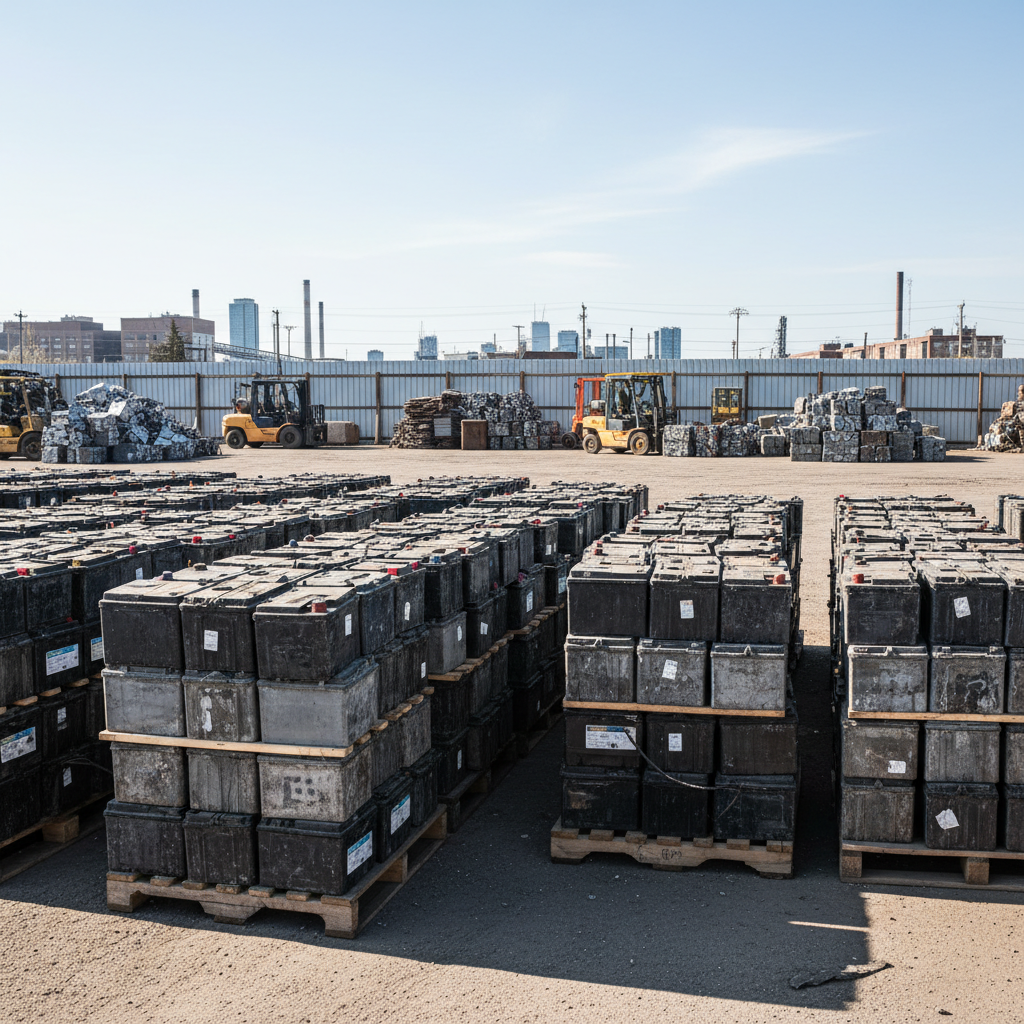
Lead battery scrap price refers to how recyclers value used lead-acid batteries based on weight, recoverable lead content, and current market demand. At Quick Scrap Metal (407 Rexdale Blvd, Etobicoke), you can drop off auto and industrial batteries safely and get paid on the spot. Preparation, sorting, and safe handling influence your payout and your experience.
By Preet Dass — Quick Scrap Metal
Last updated: May 23, 2026
Summary
Lead battery scrap price is determined by battery type, weight, recoverable lead, condition, and market demand. You’ll earn more by sorting like-with-like units, keeping cases intact, capping terminals, and using a reputable yard like Quick Scrap Metal in Etobicoke for compliant, fast drop-offs.
This complete guide explains what affects battery payouts, how to prepare and sort batteries, safe transport rules, and how we process batteries at our Etobicoke yard serving Toronto and the GTA. You’ll also get a step-by-step drop-off checklist, local tips, and practical, yard-tested advice.
- Understand the composition and recyclability of lead-acid batteries
- Identify battery types (SLI, AGM, gel, industrial) and how they’re graded
- Follow a clear, 7-step drop-off process at Quick Scrap Metal
- Use safety best practices to protect yourself and your vehicle
- Learn common mistakes that reduce payouts and how to avoid them
What Is “Lead Battery Scrap Price”?
Lead battery scrap price is the value recyclers pay for spent lead-acid batteries, driven by total weight, recoverable lead percentage, and downstream market conditions. Condition, contamination, and sorting also influence grading. Reputable yards pay on the spot after quick verification and safe acceptance.
A typical car battery contains a significant amount of lead in plates and paste, plus plastic casing and electrolyte. Because most of a spent battery is reusable material, recyclers recover lead and plastics through well-established processes. Many SLI (starting, lighting, ignition) units weigh roughly 30–50 pounds; industrial units can exceed 100 pounds.
- Core value driver: recoverable lead content, which varies by design and condition.
- Key variables: type (SLI vs. AGM/gel vs. industrial), intact cases, and absence of debris/liquids.
- Operational factor: how fast and safely a yard can receive, sort, and ship batteries downstream.
At Quick Scrap Metal, we buy and responsibly recycle lead-acid batteries alongside metals, appliances, and e-waste. Our location at 407 Rexdale Blvd makes drop-offs simple for Etobicoke drivers and trades traveling through the Toronto corridor.
Why Battery Pricing and Grading Matter
Battery pricing and grading matter because they reward safe, clean, sortable batteries and discourage contamination. Better grading speeds receiving, reduces risk, and channels material into high-yield recycling, which benefits both your payout and the environment.
When batteries arrive mixed with trash, cracked cases, or leaking electrolyte, processing slows and risk rises. Conversely, grouped, intact units speed up grading and drive better outcomes. In our experience, organized drop-offs move through receiving several minutes faster per load, reducing queue times and helping you get in and out.
- Environmental impact: Lead-acid batteries are among the most recycled consumer products by mass. High recovery rates keep heavy metals out of landfills.
- Safety outcomes: Intact cases and capped posts reduce incidental exposure risks for handlers and customers during unloading.
- Customer benefit: Clean, sorted loads are quicker to weigh and pay, which means a smoother experience.
Grading is not only about material science. It’s also about minimizing hazards in a live yard. Proper prep shows up immediately at the scale and on the dock.
How Lead Battery Recycling Works (Yard Perspective)
Yards accept, verify, and consolidate spent batteries, then ship to specialized processors. Processors break, separate, and refine components so lead, plastic, and electrolyte can re-enter manufacturing. Your preparation—intact cases, clean posts, sorted types—reduces risk and streamlines this flow.
Here’s what happens between your trunk and the downstream processor:
- Receiving and verification: We check for battery type, visual integrity, and safe handling conditions. Units with severe damage are isolated and contained.
- Weigh-in and recording: Loads are weighed on calibrated scales; paperwork confirms materials and safe acceptance.
- Consolidation: Like-with-like units are palletized. Pallets are banded and staged for outbound freight.
- Transport: Batteries move to processors using compliant carriers. Safe stacking and containment are mandatory.
- Processing (off-site): Batteries are broken in a controlled system that separates lead, plastics, and electrolyte for recovery.
Most consumer SLI batteries are highly recyclable by mass. The plastic cases are washed and pelletized; the lead is smelted and purified; the electrolyte is neutralized and treated. This circular loop is why safe collection is so effective for both industry and households.
| Stage | What It Involves | Why It Matters |
|---|---|---|
| Intake | Visual check, isolation of damaged units | Prevents spills and protects staff and customers |
| Weigh & Record | Scale ticket, type confirmation | Traceability and accurate payout |
| Sort & Stage | Palletize by type and size | Improves downstream recovery and logistics |
| Ship | Compliant carriers and containment | Reduces transit risk, keeps materials secure |
Battery Types and How They’re Graded
Lead-acid batteries fall into SLI (automotive), AGM/gel (sealed), and industrial classes. Yards typically prefer intact, like-with-like groups. Clean, sealed cases and original form factor support better grading than mixed, cracked, or excessively corroded units.
Knowing your battery type helps you organize a smoother drop-off:
- SLI (starter) batteries: Common in cars, trucks, and small equipment; rectangular form, top or side posts. Many weigh 30–50 lb each.
- AGM and gel (VRLA): Sealed, spill-resistant designs used in start-stop vehicles and backup power systems. Often heavier per footprint due to mat or gel layers.
- Industrial/traction: Large-format cells for forklifts, floor machines, telecom, UPS, and solar banks. Individual cells or monoblocs can exceed 100 lb.
- Specialty: Marine deep-cycle, mobility scooter, and lawn/garden variants have distinctive handles and terminals.
Condition also matters. Intact cases are safer to handle. Excessive corrosion, missing caps, or exposed plates signal higher risk and slower processing. If you have a mixed batch, load SLI together and stage industrial units separately to reduce re-sorting time on arrival.
Key Factors That Influence Lead Battery Scrap Price
Lead battery scrap price changes with recoverable lead content, battery type and weight, contamination level, and overall market demand for refined lead. Clean, intact, sorted batteries move faster through grading and can yield stronger outcomes than damaged, mixed loads.
- Recoverable lead content: Plates and paste account for most of a battery’s value. Many SLI units contain a majority of their weight as lead-bearing material.
- Type and weight: Industrial cells and AGM/gel can weigh significantly more per unit than small SLI batteries.
- Condition: Intact, capped posts and no cracks support safe handling and consolidation.
- Contamination: Dirt, liquids, sand, or attached hardware create disposal overhead and reduce grading outcomes.
- Downstream demand: Refined lead feeds new battery manufacturing and other lead-based products, so macro demand can influence yard decisions.
You can’t control markets, but you can control presentation. Group like-with-like and keep units clean and intact for best results. When in doubt, call ahead about uncommon formats so our team can stage appropriate containment.
Best Practices for Safe Prep and Transport
Prepare batteries by keeping cases intact, capping terminals, containing upright, and separating types. Use gloves and eye protection, secure loads to prevent tipping, and bring only sealed units. These steps reduce risk, speed receiving, and help your batteries grade cleanly.
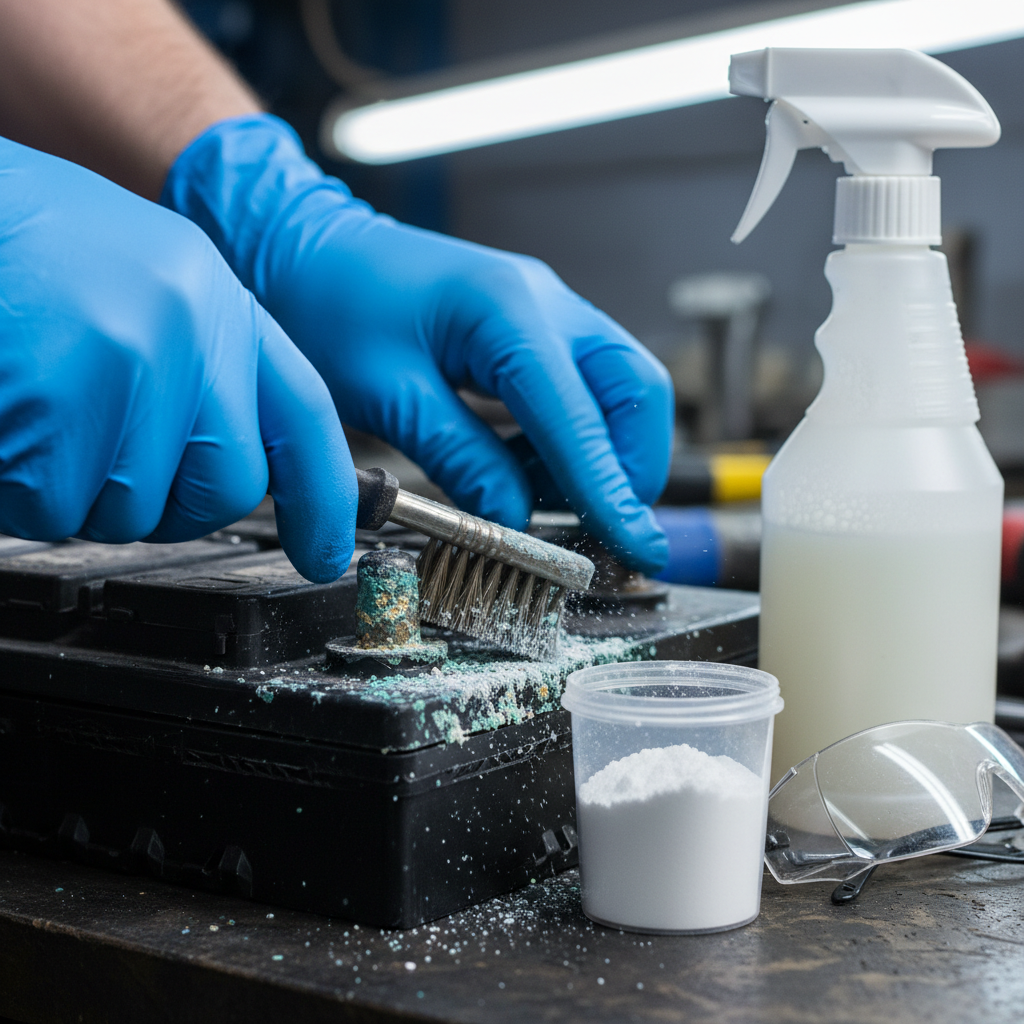
- Personal protection: Wear gloves and eye protection. Keep baking soda on hand to neutralize minor acid residue.
- Containment: Transport batteries upright in plastic bins or totes. Avoid stacking above rim height.
- Terminal safety: Cap or tape terminals to prevent arcing; don’t lay tools across posts.
- Sorting: Stage SLI together; group industrial/UPS separately. Mixed loads add minutes to receiving.
- Vehicle prep: Protect your trunk/bed with a liner. A single SLI can weigh 30–50 lb—lift with your legs.
- No disassembly: Do not open cases or pour electrolyte. Bring units as-is; we’ll handle the rest safely.
Planning a bigger cleanout? Our yard also accepts appliances and e-waste, so you can clear multiple streams in one visit. See our Scrap Metal Prices page for material categories we handle daily.

Helpful Tools and Resources for Sellers
Use simple gear—gloves, safety glasses, terminal caps, plastic totes, a dolly, and straps—to move batteries safely. For larger loads, stage pallets and shrink wrap. If you sell electronics too, separate them; batteries and e-waste process on different lines.
Handy items to keep in your garage or shop:
- Gloves and goggles: Reduce exposure when moving corroded units.
- Plastic totes/trays: Contain any residue and stabilize upright transport.
- Terminal caps or tape: Prevent accidental contact and arcing.
- Dolly or hand truck: Essential when units exceed 40 lb per battery.
- Shrink wrap and straps: For multiple SLI batteries on a pallet.
If you’re liquidating electronics rather than recycling, marketplaces exist, but they’re not suitable for hazardous batteries. For selling consumer goods, see how to sell batteries online—then bring spent lead-acid units to a compliant recycler like us. Phone batteries follow different rules; this phone battery guide explains wear signs and safe handling basics. Community boards list general electronics, such as this electronics listing index, but disposal of lead-acid batteries must go through certified channels.
Beyond batteries, we’re a one-stop drop-off for metals, appliances, and mixed e-waste—use a single trip to clear space and stay compliant.
Step-by-Step: Drop Off Lead Batteries at Quick Scrap Metal
Follow seven steps: identify types, cap terminals, contain upright, stage by group, protect your vehicle, bring ID, and use our receiving lane at 407 Rexdale Blvd. We’ll verify, weigh, and pay on the spot, then route materials to compliant processors.
- Identify types: SLI vs. AGM/gel vs. industrial. Keep specialty units separate.
- Cap terminals: Tape or snap caps over posts; no loose metal tools nearby.
- Contain upright: Use plastic bins; avoid tipping during driving and unloading.
- Stage by group: Load in sections: SLI in one bin, UPS/industrial in another.
- Protect your vehicle: Use a liner under bins; batteries are heavy and may have residue.
- Bring ID: We’ll record materials and complete paperwork.
- Use the receiving lane: Our team will guide you to unload, verify, weigh, and finalize.
Have other scrap ready too? Add aluminum siding, copper wire, or appliances in the same trip. Our scrap metal guide shows categories we accept daily, and this Etobicoke recycling page highlights popular local materials.
Lead Battery Recycling in Etobicoke and Toronto
In Etobicoke and the Toronto metro, Quick Scrap Metal offers fast, compliant battery drop-offs near HWY 27 & Rexdale. Expect extended hours, on-the-spot payouts, and friendly help staging batteries with your appliances, metals, and e-waste in one efficient visit.
Our yard sits in Etobicoke with easy access for residents, contractors, and fleets. If you’re running errands near Woodbine, we’re a quick stop before or after other tasks.
Local considerations for Etobicoke
- Plan drop-offs around traffic near Woodbine Mall & Fantasy Fair—late afternoons often flow better than midday.
- Winter roads can be slick; secure bins and leave extra time to unload safely. Spring cleanups often mean shorter weekend waits.
- For mixed loads with appliances or e-waste, tell our staff on arrival so we can route you efficiently near Flagstaff Park side access.
Doing a garage cleanout? Coordinate batteries with scrap car drop-off or pickup. Our scrap car page explains how to prep titles, remove personal items, and bundle accessories.
Common Mistakes That Reduce Outcomes
Avoid cracked cases, mixed debris, uncapped posts, and leaking units. Don’t disassemble or drain electrolyte. Keep batteries upright, sorted, and secure. These mistakes create safety hazards, slow grading, and can lead to downgrades during receiving.
- Bringing cracked/leaking batteries: These require special containment and slow intake.
- Mixing trash with batteries: Trays full of nails, sand, or fluids add disposal overhead.
- Leaving terminals exposed: Risk of arcing or shorting during transport and unloading.
- Stacking too high: Unstable loads tip over when braking.
- Not separating types: Mixed formats require re-sorting, adding minutes to your visit.
Proper prep is fast: five minutes to cap posts, bin units, and label groups. That five minutes pays you back in time saved on site and a smoother experience at the scale.
Comparison: Battery Types, Typical Weight, and Handling Notes
SLI batteries are compact and common; AGM/gel are sealed and heavier per footprint; industrial cells are large and require equipment. Sorting and safe lifting gear scale with battery size and count to keep your drop-off fast and safe.
| Battery Type | Typical Unit Weight | Typical Use | Handling Tips |
|---|---|---|---|
| SLI (Automotive) | ~30–50 lb | Cars, light trucks, small equipment | Cap posts; use bins; lift with legs; stage in groups of 4–6 |
| AGM/Gel (VRLA) | ~35–70 lb | Start-stop vehicles, marine, backup power | Keep upright; label sealed types; avoid crushing terminals |
| Industrial/Traction | 100+ lb per cell/monobloc | Forklifts, floor machines, telecom/UPS, solar banks | Use dollies; do not load alone; call ahead for large formats |
Have a mix of SLI and UPS batteries from a renovation? Bring both—just separate them in your vehicle. Our team will direct you to the correct lane and help stage a safe unload.
How to Get Better Outcomes on Drop-Off Day
Focus on presentation and speed: keep units intact and clean, sort by type, arrive during off-peak hours, and combine trips with other metals or appliances. Use our posted lanes and communicate your mix on arrival for faster weighing and payout.
- Time your visit: Weekday late afternoons and early evenings often move quickly.
- Batch materials: Combine batteries with copper wire, aluminum, or appliances in one trip.
- Use the right lane: Follow signage; our staff will direct you for batteries vs. mixed scrap.
- Bring documentation: For business loads, bring basic IDs or records to speed intake.
- Ask questions early: Unusual formats? Call ahead so we can prep containment.
New to scrap? Start with our Metal Junk Yard guide for a quick orientation to yard flow, then use our Etobicoke best-price checklist to plan your load.
Mini Case Studies: Real-World Drop-Offs
Homeowners, contractors, and small businesses all benefit from organized, safe drop-offs. In every case, sorted batteries, intact cases, and grouped formats reduce time on site and help achieve clean grades during receiving and consolidation.
1) Etobicoke homeowner: two car batteries + a microwave
- Scenario: Two spent SLI batteries (~40 lb each) from family vehicles, plus a broken microwave.
- Actions: Capped posts, used a plastic tote, placed microwave separately.
- Outcome: Quick unload in the battery lane, then appliance line; weighed and paid on the spot in minutes.
2) Contractor cleanout: mixed UPS bank + copper offcuts
- Scenario: Several sealed UPS monoblocs (35–60 lb) and a bin of copper wire from a retrofit in Toronto.
- Actions: Grouped UPS batteries; coiled and separated copper; used a hand truck.
- Outcome: Smooth intake at our Etobicoke yard; batteries staged on a pallet; separate weigh for copper.
3) Small fleet: steady stream of SLI returns
- Scenario: Auto shop collecting customer take-offs; 8–12 SLI units per week.
- Actions: Weekly drop-offs, bins labeled by count, terminals capped.
- Outcome: Predictable, fast receiving; safe staging and quick turnaround keep the shop floor clear.
Beyond Batteries: Make One Trip Count
Bundle batteries with other accepted materials—appliances, e-waste, and common metals—to clear space fast. One organized visit reduces errands and helps you stay compliant across metal and electronics streams at the same convenient Etobicoke location.
Quick Scrap Metal accepts ferrous metals (steel, cast iron, rotors) and non-ferrous metals (aluminum, copper, brass, nickel), plus appliances and many electronics. That matters during seasonal cleanups. One drive, one unload, many checkmarks. See our pages on selling steel scrap and the broader scrap yard guide for a fuller picture of materials we accept.
Frequently Asked Questions
Lead battery recycling questions usually involve acceptance rules, preparation, safety, and what to do with specialty units. Here are quick, speakable answers you can act on before you visit our Etobicoke yard.
What kinds of lead-acid batteries do you accept?
We accept most automotive SLI batteries, sealed AGM/gel (VRLA) units, and many industrial or UPS monoblocs. Keep cases intact and terminals capped. If you have very large traction cells, call ahead so we can stage safe unloading.
How should I prepare a battery for drop-off?
Keep it upright, cap the posts, and place it in a plastic bin or tray. Don’t open the case or drain electrolyte. Sort SLI separately from industrial or UPS batteries and protect your trunk or truck bed with a liner.
Is it safe to transport used car batteries?
Yes—when kept upright in a sturdy bin with terminals covered. Wear gloves and eye protection, secure the bin to prevent tipping, and avoid stacking. We’ll unload and route you to the correct lane on arrival.
Can I bring other scrap with batteries?
Absolutely. Combine batteries with aluminum, copper wire, steel, appliances, and select electronics in one trip. Tell our team what you have so we can stage efficient unloading and weighing across categories.
Key Takeaways
Sort batteries by type, keep cases intact, cap terminals, and use plastic bins for upright transport. Arrive during off-peak hours, combine drop-offs with other recyclables, and work with a reputable Etobicoke yard for a safe, fast experience.
- Lead battery scrap price reflects recoverable lead, type, weight, and condition.
- Presentation matters: capped, intact, sorted batteries move faster through grading.
- Safety first: gloves, goggles, bins, and a stable load protect you and the yard team.
- Make one trip count: include metals, appliances, and e-waste with your batteries.
- Our Etobicoke yard serves Toronto and the GTA with extended hours and on-the-spot payouts.
Conclusion: A Faster, Safer Way to Recycle Lead Batteries
Bring intact, sorted lead-acid batteries to Quick Scrap Metal for compliant, efficient recycling and on-the-spot payouts. One organized visit clears batteries, metals, and e-waste together—saving time while keeping hazardous materials in the circular economy.
Ready to move batteries out of your garage or shop? Plan a quick visit to 407 Rexdale Blvd, Etobicoke. If you’re bundling more materials, review our Scrap Metal Prices and Scrap Metal Guide so you can stage everything for a single, smooth unload. See you in the receiving lane.