
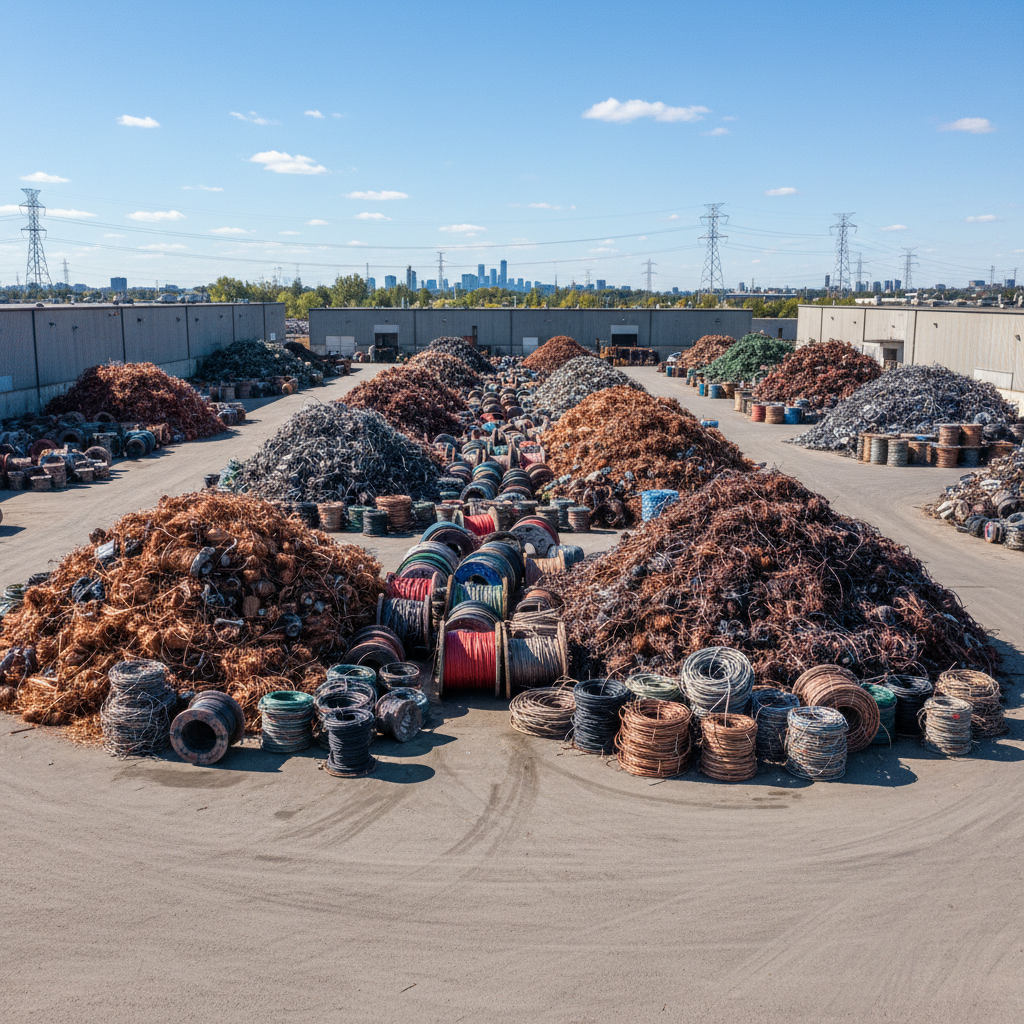
Copper wire scrap is reclaimed electrical wire made of copper, sorted and prepared for recycling. It’s valued for high conductivity and ease of reuse. If you’re near 407 Rexdale Blvd in Etobicoke, you can drop off copper wire at Quick Scrap Metal for fast on-the-spot payment and responsible processing across Toronto and the GTA.
By Preet Dass • Last updated: 2026-06-09
Summary
Copper wire scrap basics: identify the grade, separate clean from contaminated wire, and prepare it safely. Bring sorted wire to a trusted yard in Etobicoke for quick payment. This guide explains grades, preparation steps, tools, safety, local tips, and how Quick Scrap Metal streamlines drop-off.
This complete guide is designed for homeowners, electricians, renovators, and facility teams across Etobicoke, Toronto, Mississauga, and Brampton. You’ll learn to sort wire correctly, avoid common mistakes that lower value, and streamline your drop-off for quick turnaround at our Rexdale location.
- What copper wire scrap is and why it matters
- How to identify grades like #1 bare bright, #1/#2 copper, and insulated types
- Step-by-step preparation and safety
- Which tools speed up stripping and sorting
- Local considerations for Etobicoke drop-offs
- Real examples from Toronto-area projects
At a Glance: Table of Contents
- What Is Copper Wire Scrap?
- Why Copper Wire Scrap Matters
- How Copper Wire Recycling Works
- Types and Grades of Copper Wire Scrap
- What Affects Copper Wire Scrap Value
- Best Practices for Preparation
- Tools and Resources
- Case Studies and Local Examples
- Frequently Asked Questions
- Conclusion
- Related Guides and How-Tos
What Is Copper Wire Scrap?
Copper wire scrap is used copper electrical wiring collected for recycling and resale. It includes bare bright wire, tinned or coated conductors, and insulated cable. Clean, unalloyed copper with no coatings or attachments yields the highest value; mixed or contaminated wire is graded lower and processed differently.
In plain terms, copper wire scrap refers to any copper-containing wire you’ve removed from a home, vehicle, appliance, or job site that’s now ready to be recycled. Grades range from pure, shiny strands (highest value) to mixed insulated harnesses (lower value), and proper sorting can significantly improve your outcome at drop-off.
- Common sources: Renovation offcuts, panel upgrades, appliance power cords, extension cords, networking cable, and automotive harnesses.
- Typical copper characteristics: Reddish color, high electrical conductivity, non-magnetic, density about 8.96 g/cm³, and a melting point near 1085°C.
- Scrap vs. waste: Scrap is a recyclable commodity with ongoing demand. Waste is trash headed to landfill. Copper wire is squarely in the reusable, recyclable category when handled properly.
At Quick Scrap Metal in Etobicoke, we accept both ferrous and non-ferrous metals, including copper wire in many forms, plus appliances and electronics. That means you can bring wire together with old microwaves, washers, laptops, and more in one fast visit—no need for multiple stops.
Why Copper Wire Scrap Matters
Recycling copper wire conserves natural resources, cuts energy use compared to primary mining, and keeps valuable metal in circulation. It also turns household clutter and jobsite leftover wire into immediate cash, while supporting responsible electronics and appliance recycling in the Toronto region.
The reality is simple: copper retains its properties cycle after cycle, so recovered wire directly feeds new manufacturing. That circularity reduces environmental impact and supports a dependable local supply chain. For Toronto-area residents and trades, it’s also a practical way to clear space and generate quick value from old cords and cables.
- Resource efficiency: Recycled copper helps limit new ore extraction, preserves habitat, and reduces tailings compared with mining.
- Local convenience: Our Rexdale yard is easy to access in Etobicoke, and we’re open late on weekdays and Sundays, so you can drop off after work or on the weekend.
- One-stop approach: Bundle copper wire with appliances, computers, or mixed metals. Our team weighs, sorts, and pays out on the spot for qualifying items.
We’ve found that homeowners who plan a quick “wire-and-appliance” sweep before moving or remodeling reclaim more storage space and finish the job in a single trip. Tradespeople do the same after panel upgrades and demo days—sorting wire in five-minute batches as they load the truck.
How Copper Wire Recycling Works
Copper wire recycling involves collecting, sorting by grade, and processing through stripping, shredding, and granulation to separate copper from insulation. Clean copper is then baled or packaged for downstream refiners who melt and purify it into new products, closing the loop efficiently.
Here’s the straightforward flow you’ll experience when you bring copper wire to our Etobicoke yard. The more you pre-sort and separate, the faster it goes—and the better your outcome.
- Check-in and weigh-in: Our team greets you and directs you to the wire intake area. We weigh material and note grades.
- Visual grading: Clean, shiny, unalloyed wire (no insulation, no solder) is marked as #1 bare bright when applicable. Tinned, painted, or slightly oxidized strands might be #1 or #2 copper. Insulated cable is grouped by type.
- Preparation on site (if needed): We’ll advise if simple attachments can be removed quickly (for example, a plug or small connector) to avoid downgrades.
- Processing path: Strippable items may be machine-stripped. Mixed insulated wire goes for shredding and granulation to separate copper from sheathing.
- Aggregation: Copper output is combined into bales or packaged lots for refiners; polymers are directed for appropriate downstream handling.
- Payment: You receive fast, on-the-spot payout for qualifying scrap.
In our experience across Toronto jobs, small steps at the source—like snipping off heavy plugs, keeping stainless or brass fittings out of the wire pail, and separating household cords from heavier building wire—save time later and help preserve higher grades.
Types and Grades of Copper Wire Scrap
The primary copper wire grades include #1 bare bright (clean, uncoated, shiny copper), #1 copper (clean but not bright), #2 copper (lightly tarnished or with minor residues), and insulated wire categories (from low to high recovery). Sorting by these grades protects value at drop-off.
Grades communicate quality fast. Learn the core set you’ll hear at most yards and you’ll sort like a pro. Below is a quick reference you can use before you load the truck.
| Grade / Category | Definition | Typical Sources | Preparation Tips |
|---|---|---|---|
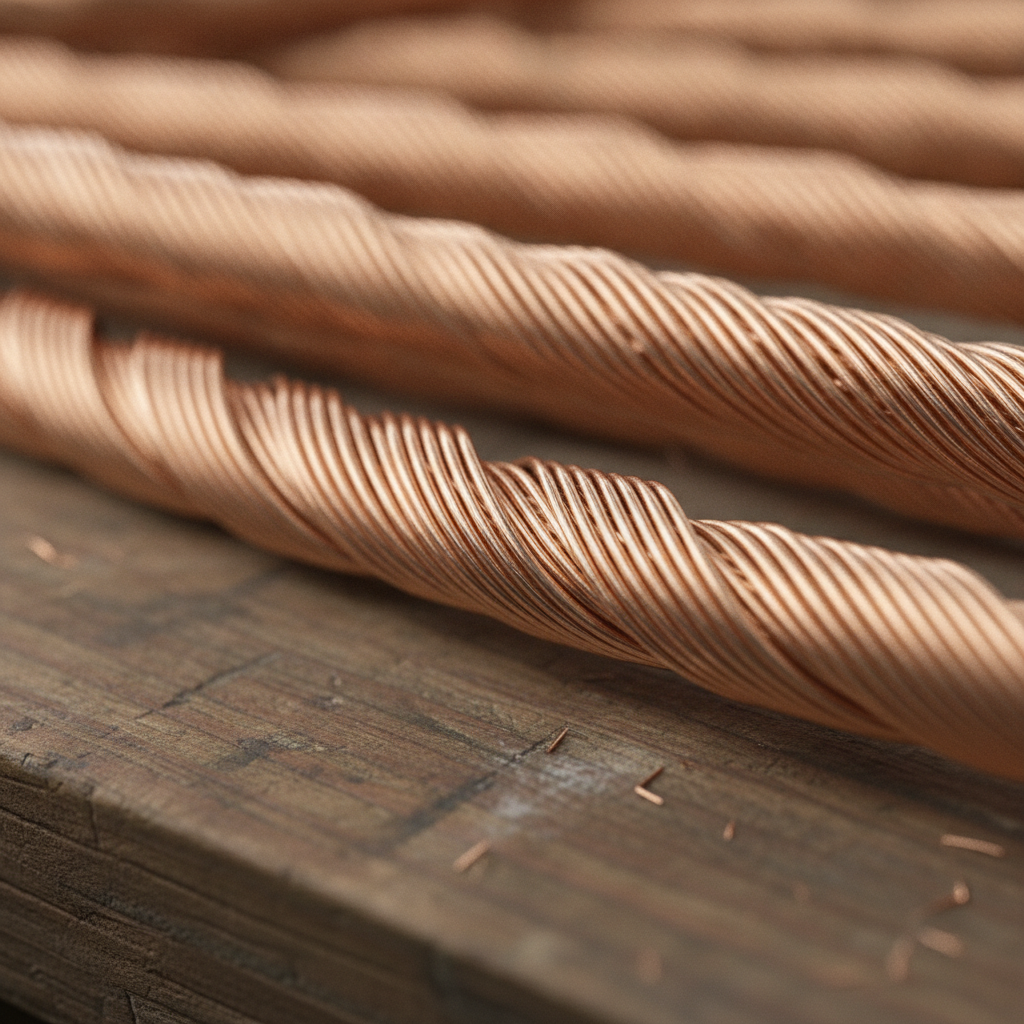
| #1 Bare Bright | Unalloyed, shiny copper wire, no insulation, no solder, no coatings; typically 16 AWG or larger | Stripped building wire, panel upgrades, heavy gauge conductors | Keep completely free of attachments; avoid oxidation and paint |
| #1 Copper | Clean copper wire or tubing without heavy tarnish; may be less shiny than bare bright | Stripped household wire, light tarnish allowed | Remove plugs, fittings, or non-copper attachments |
| #2 Copper | Tarnished, painted, lightly soldered, or slightly oily residues present | Older renovation pulls, mixed demo material | Wipe off oils; cut away heavy solder where practical |
| Insulated Wire – Low Recovery | Thin-gauge cords with high plastic-to-copper ratio (e.g., phone chargers, some USB cables) | Consumer electronics cords, lamp cords | Bundle neatly; avoid tangles; don’t mix with heavier cable |
| Insulated Wire – Medium Recovery | Household and light building wire with moderate copper content | Romex-style cable, appliance cords | Coil loosely; clip off plugs if quick and safe |
| Insulated Wire – High Recovery | Thick building or industrial cables with high copper content | Service entrance cable, heavy motor leads | Consider mechanical stripping; label separately |
Take this example from an Etobicoke reno: the contractor separated three buckets—bare bright, Romex, and mixed cords. That simple move preserved the highest grade for bright wire and sped up intake by several minutes, keeping the whole visit under 20 minutes.
What Affects Copper Wire Scrap Value
Copper wire value depends on grade, cleanliness, insulation ratio, and market conditions. Clean, stripped, unalloyed copper earns more; mixed or contaminated material is discounted. Efficient sorting and safe removal of attachments help protect value without needing to over-strip or risk safety.
While we never publish or discuss specific prices here, you can absolutely influence your outcome by managing quality. The right approach preserves value without wasting time on tasks that won’t pay off.
- Grade and recovery: Bare bright is king. Insulated categories vary with copper percentage. Heavier cable often justifies mechanical stripping.
- Cleanliness: Remove steel staples, screws, and heavy plugs. Keep brass fittings, stainless fragments, and solder out of the copper bucket.
- Separation: Don’t mix aluminum or steel with copper wire. Keep appliance cords apart from building wire. Use clear labels on bags or coils.
- Market context: Commodity markets move. Focus on grade control and consistency—you can’t time the market, but you can control quality.
- Condition: Excessive paint, oils, or corrosion lowers the grade. Store wire dry and off the ground until drop-off.
For Toronto-area jobs, we recommend a quick “two-sort minimum” rule: one container for clean, heavy-gauge or stripped material; another for mixed household cords. If you have the volume to justify it, add a third container for Romex-type cable.
Best Practices for Preparation
Prepare copper wire by separating clean from mixed cords, coiling and tying bundles, removing obvious non-copper attachments, and labeling heavy-gauge cables. Strip only when safe and worthwhile. Wear gloves and eye protection, and avoid makeshift stripping methods that risk injury.
Good preparation is about speed, safety, and protecting grade. Here’s a practical checklist we share with homeowners and tradespeople who visit our Etobicoke yard.
Quick sorting checklist
- Make two or three piles: bare/stripped, heavy building cable, and mixed cords.
- Snip off bulky plugs if safe and fast; don’t spend minutes on a connector that won’t change the grade.
- Remove visible steel or brass fittings; a magnet helps spot non-copper pieces.
- Keep wire dry and clean; avoid mud, paint buckets, and oil-soaked rags.
- Coil and tie bundles to prevent tangling and ease weighing.
Stripping: when it makes sense
- Yes: Heavy-gauge cable with thick copper where mechanical strippers excel.
- No: Very thin cords with more plastic than copper; time is better spent sorting.
- Maybe: Medium recovery cables—do a test strip on a short length and evaluate the effort vs. yield.
Safety musts
- Wear cut-resistant gloves and eye protection when cutting or stripping.
- Use purpose-built wire strippers or bench machines—never homemade blades or open razor setups.
- Unplug and de-energize all cords before handling. Verify with a non-contact tester if unsure.
- Work on a stable surface with good lighting to prevent slips and nicks.
Take a moment to plan your workspace. A small contractor in North Etobicoke cut his prep time in half by mounting a benchtop stripper, labeling bins for three grades, and staging cords right at the truck tailgate for faster loading.
Tools and Resources
The right tools speed up copper wire prep: cutters, manual and benchtop strippers, a non-contact voltage tester, zip ties for coils, and labeled bins. Add a small magnet for quick contamination checks, and keep a marker on hand to tag heavy-gauge cables by type.
- Cutters and snips: For plugs, connectors, and quick coil sizing.
- Manual strippers: Ideal for small batches of medium-gauge cable.
- Benchtop strippers: Best for frequent, heavy-gauge work; consistent and safer than DIY rigs.
- Non-contact tester: Confirm power is off before handling any cord.
- Zip ties and bins: Keep grades separate and tidy for faster intake.
Want a deeper dive into maximizing outcomes? See our internal resources: our scrap copper wire guide offers advanced sorting tips, and the guide to copper scrap value explains grade drivers in more detail. For selling options near Etobicoke, check our sell scrap copper page.
Case Studies and Local Examples
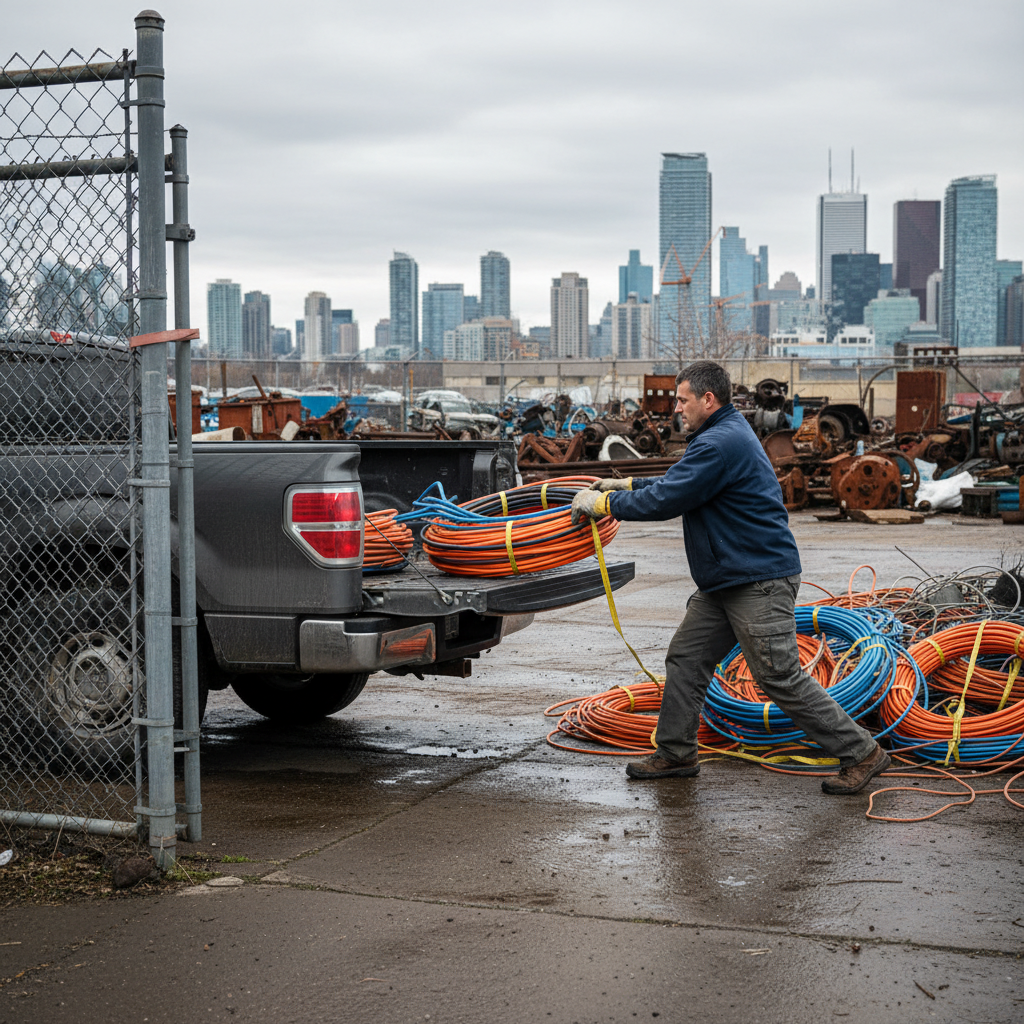
Real Toronto-area examples show the impact of smart preparation: separating bare bright from insulated wire, coiling bundles, and removing bulky plugs speeds intake and preserves grade. Homeowners, electricians, and facility teams regularly finish drop-offs in under 30 minutes with simple, repeatable routines.
Homeowner decluttering before a move (Etobicoke)
- Gathered extension cords, old lamp cables, and a bin of phone chargers.
- Separated mixed cords from a small coil of stripped bright wire from past renos.
- Dropped off wires alongside a microwave and a broken vacuum in one trip.
- Outcome: clean, fast intake; bright wire graded separately; immediate payout.
Electrical contractor after a panel upgrade (Toronto)
- Three containers on the truck: bare bright, Romex, and mixed cords.
- Snipped heavy plugs and removed a few brass fittings to avoid downgrades.
- Coiled heavy cable with zip ties; labeled for quick identification.
- Outcome: efficient check-in and weigh-in; premium grade preserved.
Facility maintenance clean-out (Mississauga)
- Cleared networking closets and HVAC rooms; boxed cords by category.
- Brought a pallet of e-waste—laptops, keyboards, and PCBs—together with wire.
- Followed our team’s guidance to keep stainless and aluminum separate from copper.
- Outcome: one-stop drop-off for metals, appliances, and electronics; quick turnaround.
We see similar wins weekly across Brampton and North York: small preparation steps protect value. You don’t need special equipment to do it right—just a couple of bins, a pair of snips, and a plan.
Local Tips for Etobicoke and Toronto Drop-Offs
For Etobicoke and the Toronto metro, plan drop-offs around traffic windows, pre-sort wire by grade, and combine trips with appliances or e-waste. Our 407 Rexdale Blvd yard is easy to reach, and weekend hours help you avoid weekday rush patterns near major routes.
Local considerations for Etobicoke
- Time your visit around neighborhood traffic; mid-morning or early afternoon often moves faster near Woodbine Mall & Fantasy Fair.
- During winter, keep coils dry to avoid icy tangles; in summer, store bundles out of direct sun to prevent softened insulation.
- If you’re staging a larger yard clean-up near Flagstaff Park, pre-label bins (bright vs. insulated) so our intake can move quickly.
Remember, we accept far more than copper wire. If you’re clearing a garage or warehouse, bring aluminum, brass, stainless, steel, and common appliances and electronics. One trip, one scale-in, multiple materials handled responsibly.
Quick, Convenient Drop-Off at Quick Scrap Metal
Bring sorted copper wire and mixed metals to Quick Scrap Metal at 407 Rexdale Blvd for fast, on-the-spot payouts. We’re open late on weekdays and open Sundays, making it easy to turn wire offcuts, cords, and e-waste into value with one quick stop.
If you’re focused on copper today, you might also have brass faucets, aluminum siding, or a retired appliance ready to go. Our team handles it all. Explore our copper recycling center page for location details, and check our scrap metal prices overview to understand market drivers (no specific rates are published).
How to Prepare and Drop Off: Step-by-Step
Sort, coil, and label. Remove obvious non-copper attachments. Decide if stripping is worthwhile. Load bins so bright wire stays separate. At the yard, follow intake directions, weigh in, and complete your drop-off safely for a fast payout and responsible recycling.
- Gather and sort: Make piles for bright/stripped, heavy building cable, and mixed cords.
- Remove attachments: Snip bulky plugs and fittings where safe; discard non-copper pieces separately.
- Decide on stripping: Test-strip a short piece of heavy cable; proceed only if it’s efficient and safe.
- Coil and tie: Zip-tie bundles to prevent tangles and speed weighing.
- Stage other recyclables: Add appliances or electronics you’re clearing out to make one efficient trip.
- Load smart: Keep bright wire accessible so it can be weighed and graded separately.
- Drop off at Rexdale: Follow staff guidance; you’ll weigh in, confirm grades, and receive fast payout for qualifying material.
Want more selling options? Our buyers of copper scrap page explains how we evaluate wire in-store and the most common questions customers ask at the scale.
Eco Benefits and Responsible Recycling
Recycling copper wire reduces landfill waste, lowers energy use compared to mining new copper, and supports a circular economy. Quick Scrap Metal combines metal intake with appliance and e-waste recycling, so one visit handles multiple waste streams responsibly for the Toronto area.
We operate with a simple promise: If it’s metal, we buy it—then we ensure it moves responsibly through the recycling chain. Copper wire is a star example because recovery is straightforward and reuse is immediate. When you add appliances and electronics to the same visit, the environmental impact multiplies in your favor.
- Metals: Copper, aluminum, brass, stainless, steel (ferrous and non-ferrous accepted).
- Appliances: Washers, dryers, microwaves, ranges, A/C units, and more.
- Electronics: Computers, laptops, keyboards, TVs, and printed circuit boards.
For broader context on vehicle recycling programs in Ontario, you can review general guidance from a regional auto recycler such as this local resource and their service overview. If you’re coordinating demo work that also touches plumbing or lighting, local trade guidance like this contractor’s checklist can help you plan safe removals and trade timing.
Troubleshooting: Common Mistakes That Lower Value
The fastest way to lose value is mixing clean copper with other metals, leaving bulky plugs attached, or presenting tangled piles. Keep wire dry, separated, coiled, and free of attachments. Avoid risky DIY stripping that damages conductors or creates safety hazards.
- Mixing metals: Keep aluminum, brass, steel, and stainless out of copper bins.
- Dirty or oily wire: Heavy residues downgrade quality; store wire away from oils and paints.
- Leaving plugs/fittings on: These often trigger downgrades; snip when quick and safe.
- Tangles: Coils speed weighing; tangles slow intake and can cause unnecessary scuffs.
- Unsafe stripping: Razor rigs lead to cuts and damaged conductors—use proper tools or skip it.
We’ve seen well-meaning DIYers turn beautiful heavy cable into a lower category by scoring conductors with knives. If you’re not set up with a proper benchtop tool, bundle the cable as-is and let us advise on the best path.
Frequently Asked Questions
Get fast answers to common copper wire scrap questions below. We cover what to bring, how to sort, stripping decisions, and which additional items you can add to the same drop-off at our Etobicoke location for a quick, efficient visit.
What counts as #1 bare bright copper wire?
#1 bare bright is clean, unalloyed, uncoated copper wire that’s shiny and free of insulation, solder, and paint. It’s typically 16 AWG or thicker. Keep it separate from other metals and avoid oxidation to protect its top grade.
Should I strip all insulated wire before I bring it in?
No. Strip only when it’s safe and efficient—usually heavier-gauge cables. Thin cords have a low copper-to-plastic ratio, so time is better spent sorting and coiling. If you’re unsure, bring it as-is and we’ll advise at intake.
Can I drop off appliances and e-waste with my copper wire?
Yes. Quick Scrap Metal accepts appliances and many electronics, including computers, laptops, keyboards, TVs, and PCBs. Combine materials in one trip for a faster, more convenient drop-off and responsible downstream recycling.
Do you buy copper wire from homeowners and contractors?
Absolutely. We work with homeowners, electricians, renovators, and facility teams across Etobicoke and the Toronto GTA. Bring sorted wire, and we’ll guide grading and handle quick payout for qualifying material at our Rexdale location.
Conclusion
To get the best outcome for copper wire scrap, sort by grade, keep material clean, and use safe, efficient prep. Bundle wire with appliances or electronics for one-stop recycling. Quick Scrap Metal at 407 Rexdale Blvd makes the process fast, convenient, and responsible for Etobicoke and the GTA.
- Identify and separate grades: bright, heavy building cable, and mixed cords.
- Remove bulky plugs and fittings if quick and safe.
- Coil and label bundles for faster intake.
- Bring wire with other metals, appliances, or e-waste to save time.
Next step: Load the truck, head to our Rexdale yard, and turn copper wire into value today. For location details, see our copper recycling center page.
Related Guides and How-Tos
Want to go deeper? Explore our in-depth resources on copper recycling and scrap value drivers. These guides expand on sorting, preparation, and market context so you arrive at the scale confident and ready.
For advanced sorting strategies and photos, read our scrap copper wire guide. To understand what influences outcomes year-round, skim our copper value explainer and the broader scrap metal prices overview.