

Aluminum disposal is the safe, practical process of sorting, preparing, and recycling aluminum items through approved facilities. In Etobicoke and Toronto, you can bring clean aluminum to Quick Scrap Metal at 407 Rexdale Blvd for fast drop-off and on-the-spot payouts. Proper preparation reduces contamination, speeds service, and helps you get the best return.
By Preet Dass · Quick Scrap Metal
Last updated: 2026-06-12
Quick Summary
This complete guide shows how to prepare, sort, and recycle aluminum for maximum value and minimal hassle. You’ll learn what counts as aluminum, how to clean and separate it, where to drop it off in Etobicoke/Toronto, and the best practices we use at Quick Scrap Metal to keep lines moving and payouts quick.
- What aluminum is and why proper disposal matters
- What we accept at our Etobicoke yard near HWY 27 & Rexdale
- Step-by-step prep: clean, sort, separate attachments
- Top mistakes to avoid so you don’t lose value
- When curbside works—and when a scrap yard is better
- Tools and resources to speed up sorting at home or on-site
- Local guidance for Etobicoke and the Toronto metro area
- Real examples from households, trades, and small businesses
Table of contents
- What is aluminum disposal?
- Why aluminum disposal matters
- How aluminum recycling works
- Types of aluminum to recycle
- Step-by-step prep for drop-off
- Best practices for top return
- Tools and resources
- Local guidance: Etobicoke & Toronto
- Case examples from the GTA
- FAQ: Aluminum disposal
- Conclusion and next steps
- Related guides
What Is Aluminum Disposal?
Aluminum disposal refers to preparing, sorting, and sending aluminum items to a certified recycler instead of landfilling. The goal is to remove contaminants, separate grades, and route the metal to facilities that melt and reuse it—lowering waste, keeping materials in circulation, and rewarding you with a quick, efficient drop-off.
When people say “dispose of aluminum,” they usually mean recycling it responsibly. Aluminum is highly recyclable, and many items—from cans and rims to siding and extrusions—retain strong end-of-life value when kept clean and separated. That’s why we designed our Etobicoke yard for fast acceptance and quick turnarounds.
We see the same pattern every day: clean, sorted aluminum moves faster, earns better outcomes, and reduces delays at the scale. If you’re new to this, don’t worry. The steps below are simple, and our crew will guide you on-site.
Why Aluminum Disposal Matters
Aluminum disposal matters because it conserves resources, reduces landfill use, and returns money to households and businesses. Clean, sorted aluminum feeds local recycling streams, supports manufacturing, and shortens wait times at the yard—so you finish your drop-off quickly and get back to your day.
Here’s the thing: aluminum keeps its properties through repeated recycling, which makes it a powerful circular material. Responsible recycling lowers environmental impact compared to making new metal. It also declutters garages, job sites, and warehouses across the GTA while supporting a steady materials supply.
From our experience at 407 Rexdale Blvd, the biggest benefit for residents and contractors is speed. Arrive with aluminum separated from steel or plastic, and you move through our receiving process faster—usually in minutes—especially during busy after-work hours.
How Aluminum Recycling Works
Aluminum recycling works by collecting clean items, removing attachments, sorting by grade, and routing metal to processors for shredding and melting. The remelted aluminum becomes new products, often in days or weeks. Keeping aluminum clean and sorted helps ensure efficient processing and reliable downstream demand.
In practice, the path looks like this: you prep material, drop it at our yard, and we combine it with similar grades for shipment to processors. There, equipment removes coatings or contaminants, shreds the metal, and remelts it in furnaces to create ingots or billet for new products. Clean feedstock keeps that loop efficient.
Well-prepared aluminum shortens handling time. We’ve found that separated cans, rims, extrusions, and siding allow our team to scale, inspect, and load more quickly—so your visit is smoother and more predictable, even during weekend rushes.
Types of Aluminum to Recycle
Common aluminum recyclables include beverage cans, foil and trays, sheet offcuts, extrusions (window/door frames), wheels and rims, siding, gutters, and ladders. Separate these from non-aluminum parts (steel screws, plastic clips) and keep food residue to a minimum for faster acceptance and a better overall experience.
At Quick Scrap Metal, we accept a wide range of aluminum items as part of our Scrap Metal Buying and Scrap Drop-Off Services. Examples include clean extrusions, sheet and plate, cast aluminum (like some grill parts), automotive wheels, and household ladders. Cleanliness and separation are the keys to a quick drop-off.
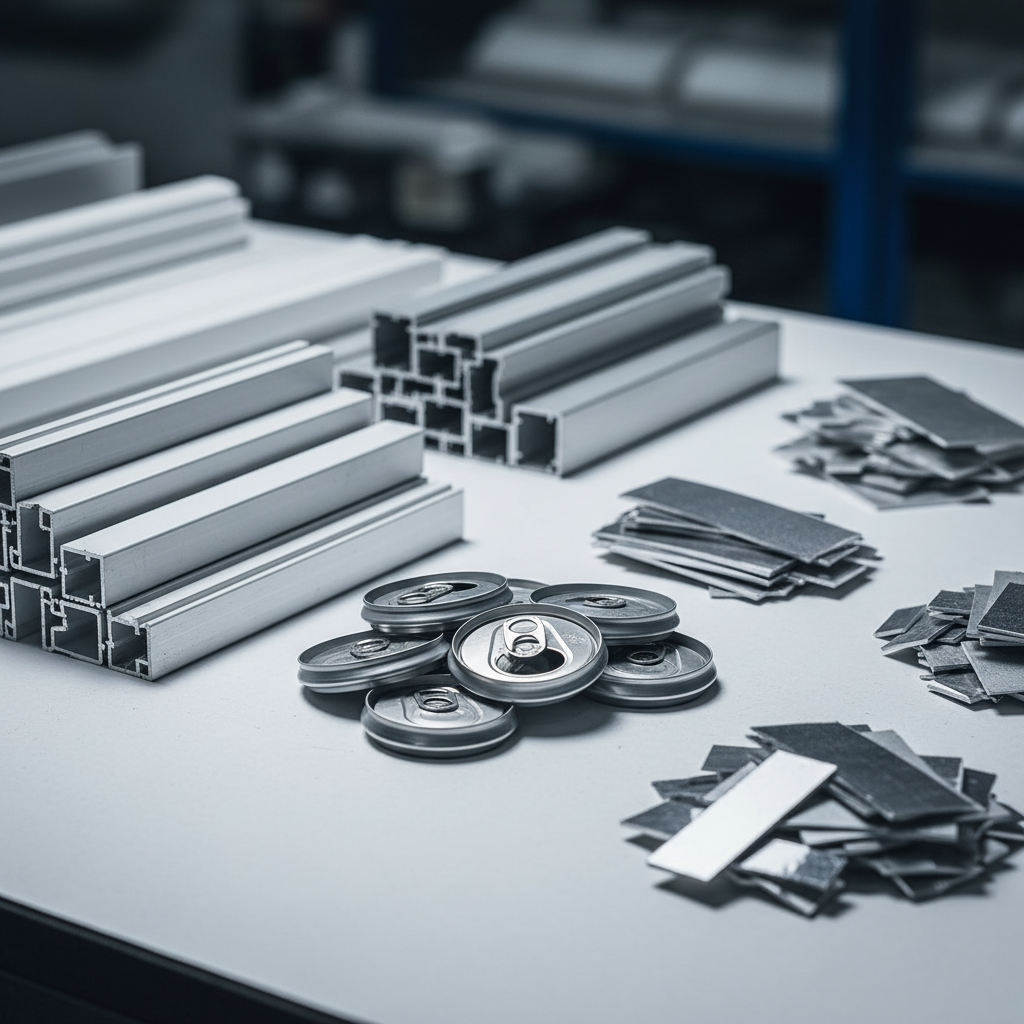
Quick identification tips
- Magnet test: Aluminum isn’t magnetic. If a magnet sticks, it’s likely steel or iron.
- Color and weight: Aluminum is light silver-gray and much lighter than steel.
- Common mixes: Extrusions may include steel screws, rubber seals, or plastic corners—remove them.
Comparison: curbside vs. scrap yard
| Item | Best route | Why | Prep tip |
|---|---|---|---|
| Beverage cans | Often curbside or scrap yard | Most municipal programs accept cans; yards accept clean, bagged cans | Rinse quickly; drain liquids |
| Foil/trays | Scrap yard preferred when clean | Food contamination can cause curbside rejection | Remove food; flatten stacks |
| Extrusions (frames) | Scrap yard | Better handling with grade separation | Remove screws, rubber, plastic |
| Wheels/rims | Scrap yard | High aluminum content; quick to process | Remove weights, caps, tires |
| Siding/gutters | Scrap yard | Large volumes; easy to sort by type | Bundle by material; tape labels |
For more material-specific detail, see our in-depth aluminum scrap metal guide and this practical overview of all scrap metal recycling.
Step-by-Step: Prepare Aluminum for Drop-Off
Prepare aluminum by removing non-metal attachments, rinsing food residue, sorting by type (cans, extrusions, wheels, sheet), and bundling for safe loading. Keep aluminum separate from steel, plastic, and electronics. Clear labeling and tidy bundles shorten your visit at Quick Scrap Metal and help ensure a smooth scale-in.
- Gather and stage: Designate a clean area in your garage, shop, or job site for aluminum only.
- Remove attachments: Unscrew steel fasteners; pull plastic/rubber seals; separate mixed materials.
- Quick clean: Rinse cans and trays; wipe heavy dirt from siding and sheet.
- Sort by grade: Group cans, clean extrusions, sheet/plate, cast parts, and rims separately.
- Bundle safely: Tie long pieces; box small offcuts; keep bags under a comfortable lift weight.
- Label: Simple tape labels (“extrusions,” “sheet,” “rims”) speed inspections at the yard.
- Load smart: Put heavier aluminum at the bottom; keep different grades clearly separated.
- Bring ID: Many yards require government-issued ID for certain materials; have it ready.

Time-savers our team recommends
- Set a weekly bucket: Keep a lidded tote for aluminum cans and small offcuts.
- Job-site bin: Contractors, use a marked bin for extrusions to avoid mixing with steel.
- End-of-day sweep: Five minutes of sorting daily beats an hour of sorting later.
For more efficiency ideas, check our aluminum scrap value tips.
Best Practices for Top Return
To maximize outcomes with aluminum disposal, keep items clean, remove mixed materials, and sort by grade before you arrive. Label bundles, load safely, and plan your visit for off-peak hours. This reduces wait time at the scale and helps ensure a fast, straightforward drop-off at our Etobicoke yard.
What most people overlook
- Mixed loads slow everything: Steel screws or plastic seals can hold up inspection.
- Food residue matters: Light rinsing on cans/foils keeps things moving.
- Cast vs. extrusion: Sorting these separately speeds grading and handling.
Pro tips from the yard
- Rims off tires: Remove tires and valve stems in advance.
- Flatten and stack: Sheet, trays, and foil store flatter and weigh easier when stacked.
- Bundle long stock: Tie extrusions in manageable, clearly labeled bundles.
New to scrap metal recycling in Etobicoke? Start with our short primer on scrap metal recycling basics.
Tools and Resources
Use a simple kit: a strong magnet, a permanent marker, gloves, zip ties or twine for bundling, and a few sturdy bins or totes. For job sites, add a labeled aluminum-only bin. These basics prevent mixing, reduce cleanup time, and keep your aluminum ready for quick yard drop-off.
- Sorting helpers: Magnet, painter’s tape, marker, heavy-duty bags or boxes.
- Safety first: Gloves, eye protection when cutting or dismantling.
- Site setup: Dedicated aluminum bin; rain cover to keep loads dry.
- Reference: Our quick read on aluminum can recycling pairs well with this guide.
Fabricators and trades often work with various aluminum forms—sheet, bar, and extrusions—from suppliers like those listed under aluminum stock and forms. Renovation work across Etobicoke also generates aluminum offcuts; local project directories such as this Etobicoke renovation listing illustrate how common metal components are in home updates.
Local Guidance for Etobicoke & Toronto
In Etobicoke and the broader Toronto metro area, aluminum disposal runs smoother when you arrive with sorted, labeled bundles and plan your visit outside peak hours. Quick Scrap Metal at 407 Rexdale Blvd sits near major routes, making same-day drop-offs simple for residents, trades, and small businesses.
Local considerations for Etobicoke
- Plan drop-offs around weekend traffic near Woodbine Mall & Fantasy Fair to avoid congestion at peak shopping hours.
- Winter brings snow and slush—store aluminum indoors so moisture and ice don’t complicate unloading and weighing.
- For mixed loads (aluminum plus e-waste or appliances), tell our team on arrival so we can route you to the right bay quickly.
If you’re coordinating an office or home cleanout, remember that we also handle electronics and appliances. Our overview on electronics recycling in Etobicoke explains how to prep devices safely.
Case Examples from the GTA
From household decluttering to contractor offcuts, aluminum disposal scenarios are straightforward when you sort, label, and separate. These brief examples show how prepared loads move quickly, reduce rework, and make same-day drop-offs near HWY 27 & Rexdale smooth for residents and trades alike.
Household declutter in Etobicoke
A family clearing their garage brought in flattened cans, foil trays, and a light aluminum ladder. They used two bins—one for cans, one for larger pieces—and labeled each. Inspection, scaling, and unloading took minutes, freeing the rest of their afternoon.
Window/door contractor, Toronto west end
A contractor staged clean extrusions and frame offcuts in tied bundles at the job site, then scheduled a late-evening drop-off. Because attachments (steel screws and rubber) were removed in advance, the load processed efficiently during a busy period.
Auto enthusiast with spare rims
An enthusiast brought four aluminum wheels with valve stems and caps removed. This simple prep avoided delays and helped our team route the load correctly on arrival.
For larger cleanouts involving appliances and metal mixes, a neighborhood clean-up crew referenced sustainability tips from local businesses, like this practical take on eco-disposal from a regional trade blog: eco-friendly disposal ideas (a different material, same mindset: separate, contain, and route to the right place).
FAQ: Aluminum Disposal
These quick answers cover the most common aluminum disposal questions we hear in Etobicoke and across Toronto. If you’re still unsure about a specific item, bring it by the yard or call ahead—we’ll tell you how to prepare it for the fastest possible drop-off.
What counts as aluminum for recycling?
Common examples include beverage cans, foil and trays, sheet and plate offcuts, clean window and door extrusions, aluminum rims, siding, gutters, and some cookware or ladders. Remove steel screws, plastic, and rubber before drop-off.
Do I need to clean aluminum before I bring it in?
Light cleaning helps. Rinse food residue from cans and trays, wipe heavy dirt from siding or sheet, and keep items dry. Clean material speeds inspection and reduces the chance of delays at the scale.
Can I mix aluminum with other metals in one load?
Keep aluminum separate from steel, copper, brass, and non-metal items. Mixing slows grading and can require on-site re-sorting. Use labeled bins or tied bundles to keep grades apart.
Are rims accepted with tires attached?
Bring rims without tires. Remove tires, valve stems, and wheel weights in advance so staff can inspect and scale your aluminum quickly.
Where should I bring aluminum in Etobicoke?
Bring aluminum to Quick Scrap Metal at 407 Rexdale Blvd. We’re set up for fast, convenient drop-offs and handle a wide range of metals, plus electronics and appliances in one stop.
Conclusion and Next Steps
Aluminum disposal is easiest when you sort and label by type, keep items clean, and plan your visit during off-peak hours. With that prep done, your drop-off at Quick Scrap Metal in Etobicoke is fast, predictable, and convenient—especially with our extended weekday hours and Sunday availability.
Key takeaways
- Clean, sorted aluminum moves faster and yields better outcomes.
- Separate grades: cans, extrusions, sheet/plate, cast parts, rims.
- Remove attachments and keep loads dry and labeled.
- Use simple tools: magnet, gloves, ties, and sturdy bins.
- Plan around local traffic and weekend rushes.
Next step: Stage your aluminum today and plan an easy drop-off at our Etobicoke yard. We’re open late on weekdays and open on Sundays to fit your schedule.
Related Guides
For deeper dives, see our overviews on selling aluminum smart, quick wins for maximizing aluminum value, the essentials of all scrap metal recycling, and how to handle electronics recycling in Etobicoke alongside your metal drop-off.
Ready when you are. Bring your aluminum to Quick Scrap Metal, 407 Rexdale Blvd, for a fast, friendly drop-off—ideal for homeowners, tradespeople, and local businesses.