
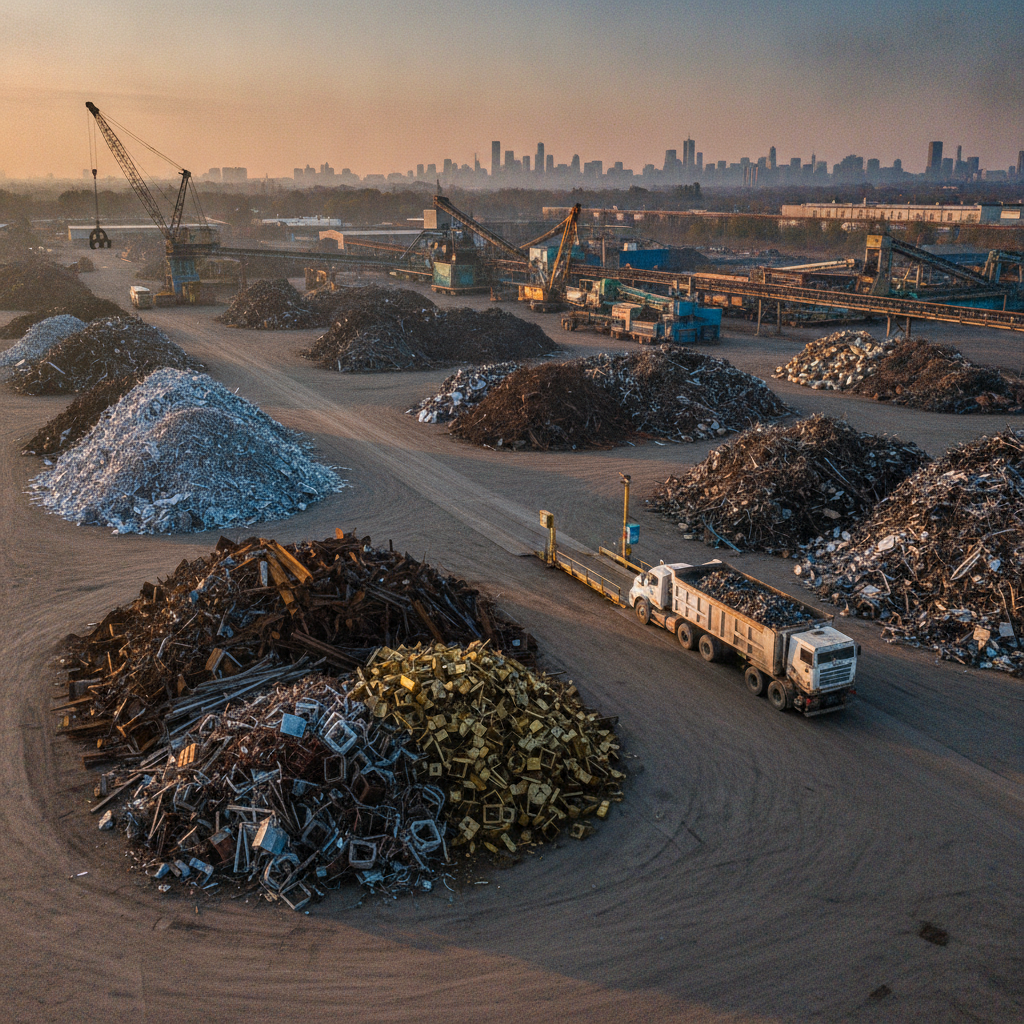
Scrap metal price per pound is the rate a yard pays for each pound of a specific metal based on grade, purity, and current market conditions. In Etobicoke, Quick Scrap Metal calculates payouts using certified scales, material grading, and live market benchmarks. When you separate, clean, and prepare items, you consistently secure stronger per‑pound results.
By Preet Dass — Quick Scrap Metal
Last updated: 2026-06-27
Overview: What affects your per‑pound payout
Per‑pound scrap payouts depend on metal type, grade, weight accuracy, and contamination. Clean, separated loads weigh higher and grade better, while mixed or dirty items trigger deductions. Consistent yard practices, real‑time market signals, and safe preparation steps help Etobicoke sellers maximize each pound at Quick Scrap Metal.
Think of per‑pound pricing as a performance score for your load. The clearer your material and the fewer contaminants, the better your result. This section highlights the core levers you can control before you visit our Etobicoke yard.
- Metal category: Non‑ferrous (copper, aluminum, brass, stainless) generally commands stronger per‑pound results than ferrous (steel, cast iron).
- Grade and purity: “Bare bright” copper or clean aluminum extrusion grades earn more than mixed, painted, or insulated forms.
- Weight fundamentals: Gross − tare = net. Accurate sorting reduces unnecessary tare and improves true net weight.
- Contamination: Dirt, plastic, rubber, wood, fluids, and attachments lead to downgrades or weight deductions.
- Market signals: Supply, demand, seasonality, and currency trends influence yard benchmarks throughout the week.
- Local yard process: Certified scales, transparent grading, and fast payouts keep your time‑to‑cash low.
- Load consistency: Pre‑sorted, well‑labeled bins speed check‑in and usually result in cleaner grading.
Want a deeper dive into how to prepare loads the smart way? See our scrap metal recycling overview for accepted materials and drop‑off tips.
What is “scrap metal price per pound”?
Scrap metal price per pound refers to the payout a yard offers for one pound of a specific metal grade. Yards determine it by material type, contamination, and real‑time market benchmarks, then apply it to your verified net weight to calculate a fast, on‑the‑spot payment.
Per‑pound pricing keeps things simple: weigh, grade, pay. Your payout relies on three objective inputs—what the metal is, how clean it is, and how much it weighs. A few unit notes help you plan large drop‑offs:
- 1 pound (lb) is approximately 0.453 kilograms.
- 1 short ton equals 2,000 lb (often used for bulk steel).
- 1 metric tonne equals about 2,204.6 lb (common in international trade).
At Quick Scrap Metal in Etobicoke, we buy a wide range of ferrous and non‑ferrous metals, plus appliances and electronics. Our team weighs on certified scales, grades transparently, and pays out quickly. For an essentials refresher, browse our plain‑language recycling guide for Etobicoke sellers.
Why the per‑pound rate matters in Etobicoke
Per‑pound rates turn clutter into cash in hours, not weeks. For Etobicoke homeowners, trades, and businesses, clean sorting and smart preparation can lift grading outcomes, shorten drop‑off time, and increase overall payout—while ensuring metals and electronics are recycled responsibly.
Here’s the thing: your time has value. A well‑organized load moves through our yard faster, which means less waiting and more earning. It also ensures recyclable commodities return to productive use instead of entering landfills. That’s a double win—cash for you and materials back to the circular economy.
- Homeowners: Garage clean‑outs (old tools, BBQs, gutters, cords) often add up to meaningful weight once sorted.
- Trades and small contractors: Offcuts, wire, and demo scrap accumulate quickly on job sites—regular drop‑offs free up space and produce steady returns.
- Local businesses: Mixed metal packaging, racking, and office e‑waste are best handled in one stop to reduce handling time.
- Convenient hours: We’re open late on weekdays and open Sundays, so you can plan runs around real schedules.
- One‑stop drop‑off: Bring metals, appliances, and electronics together; we handle them responsibly under one roof.
Not sure where your materials fit? Our accepted materials list covers common categories, from copper and aluminum to PCs and televisions.
How yards calculate your per‑pound payout
Yards calculate your payout by verifying your ID, grading materials, weighing gross and tare to get net pounds, then applying the current per‑pound benchmark for each grade. Clean, separated items minimize deductions and speed up payment at the scale.
While each yard has its own workflow, the core math is universal. Here’s how we run it at Quick Scrap Metal so sellers understand every step.
- Check‑in and safety: We confirm what you’re dropping off, direct you safely, and prepare the scale.
- Sorting and grading: We identify metal types and grades (for example, bare bright vs #1 or #2 copper; extrusion vs sheet aluminum).
- Gross and tare: We capture total (vehicle + load) and empty weights to calculate net pounds accurately.
- Contamination review: We remove non‑metal components or adjust weight so you’re paid for the true metal content.
- Live benchmark: We reference current yard benchmarks aligned to market conditions for each grade.
- Immediate payout: We finalize a transparent ticket and pay out on the spot for qualifying scrap.
| Step | What happens | Action to improve |
|---|---|---|
| Sorting | Grades assigned by type and cleanliness | Separate metals; remove screws, rubber, plastic |
| Weighing | Gross − tare = net pounds | Use bins instead of heavy containers to reduce tare |
| Contamination | Deductions or downgrades for mixed materials | Strip wire, drain fluids legally, detach non‑metal parts |
| Benchmark | Current yard benchmark per grade applied | Bundle similar grades to streamline ticketing |
For a deeper breakdown of common grades you’ll encounter, scan our short scrap metal values guide. If a vehicle is part of your load, also see our scrap car process overview.
Local considerations for Etobicoke
- Plan around nearby hubs: When traffic is heavier near Woodbine Mall & Fantasy Fair, a mid‑morning or late‑afternoon drop‑off can save time.
- Seasonal timing: Spring clean‑ups and fall renovations increase yard activity. Pre‑sorting at home keeps your visit efficient during peak weeks.
- One‑stop convenience: Bring metal plus appliances and electronics in a single trip; our team handles mixed loads responsibly. If you’re in north Etobicoke near Flagstaff Park, we’re a short drive away.
Types of metals and methods to boost your per‑pound result
Improve your per‑pound outcome by separating non‑ferrous from ferrous, matching grades precisely, and removing contaminants. Clean copper, aluminum extrusion, brass, and stainless typically outperform mixed wire, sheet aluminum, and painted or attached items at the scale.
Not all metals are equal. The same pound can be worth very different amounts depending on grade. Use these simple methods to protect your grading.
Non‑ferrous quick wins
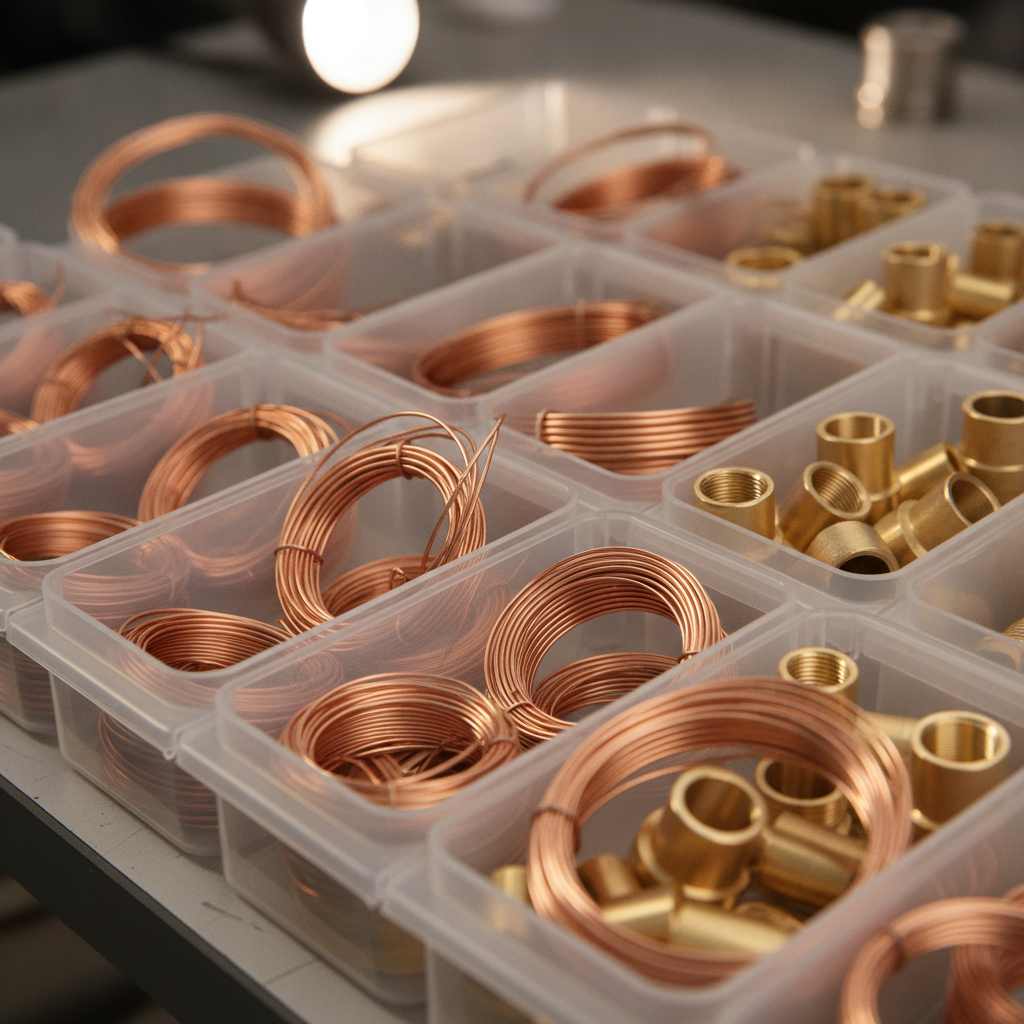
- Copper wire: Strip heavy insulation where practical. Keep bare bright separate from #1, #2, and insulated categories.
- Copper tubing: Remove solder and fittings to avoid downgrades from clean to mixed.
- Aluminum extrusion: Isolate clean, unpainted pieces from painted or attached hardware.
- Sheet aluminum: Keep gutters, siding, and foil‑like pieces together—avoid mixing with extrusion.
- Brass (yellow/red): Separate valve bodies and faucets from brass with rubber or plastic cartridges.
- Stainless steel: Distinguish 304 from 316 if you know the source; remove magnets and attachments.
- Lead and batteries: Transport safely and upright; notify our team at check‑in for proper handling.
Ferrous fundamentals
- Steel: Use a magnet to confirm; remove bulk plastic, wood, or rubber where safe.
- Cast iron and rotors: Heavier pieces add up fast—load low in your vehicle for stability.
- Appliances: Empty and secure doors; detach obvious non‑metal parts if convenient.
E‑waste and components
- Computers and laptops: Keep towers and laptops in sturdy totes; don’t remove boards unless you’re experienced.
- PCBs and peripherals: Boards vary by grade; avoid moisture and breakage during transport.
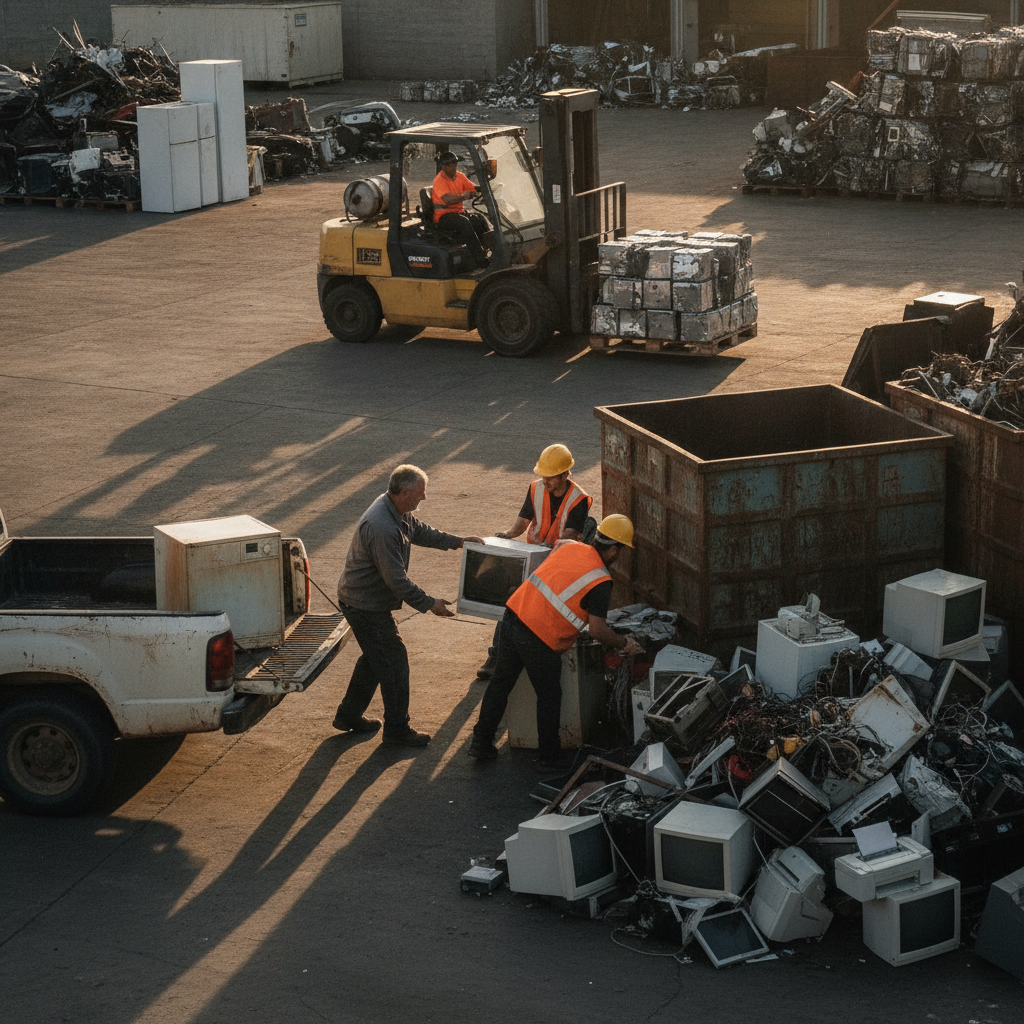
- Monitors and TVs: Handle with care; keep screens intact and avoid pressure points.
For electronics‑heavy loads, check our concise computer recycling guide for Etobicoke to organize boards, towers, and peripherals.
Best practices: simple steps that compound your payout
Maximize results with clean separation, smart tools, and safe prep. Strip heavy wire when practical, remove non‑metal parts, choose lighter containers to cut tare, and label bins by grade. These steps reduce downgrades, speed check‑in, and increase your per‑pound outcome.
- Use a magnet: First pass separates ferrous from non‑ferrous instantly.
- Choose lighter bins: Plastic totes or mesh baskets reduce tare weight compared to heavy crates.
- Label clearly: “Copper #1,” “Extrusion,” “Rotors” streamlines grading and ticketing.
- Prep wire strategically: Strip only when the gauge and time justify it; avoid nicking conductors.
- Detach non‑metals: Remove rubber, wood, fabric, plastic housings, and excessive screws where safe.
- Drain and secure: Keep appliances and auto parts free of fluids; secure doors and sharp edges.
- Bundle heavy items: Tie rebar or pipe lengths for safer loading and faster weigh‑ins.
- Photograph loads: Quick photos document condition and help you track results over time.
If a vehicle is part of your plan, coordinate disposal steps with a dedicated end‑of‑life service. Explore local service details on the regional scrap car services page, then return to our yard with any remaining metals and components.
Tools and resources that make selling easier
A basic kit—magnet, wire stripper, light totes, gloves, and a portable scale—pays for itself in smoother drop‑offs. Add a simple weight converter, a recurring calendar reminder, and quick yard references to maintain steady, efficient runs all year.
In‑hand tools
- Magnet: Instant ferrous/non‑ferrous check.
- Wire stripper: For heavy‑gauge copper; use carefully.
- Portable scale: Useful for small, high‑value categories at home.
- Lightweight totes: Lower tare and organize grades cleanly.
- PPE: Gloves, safety glasses, and boots reduce injury risk.
Quick references
- Accepted metals and e‑waste: Review our accepted materials list before you load.
- Electronics how‑to: Use our computer recycling guide for towers, boards, and peripherals.
- Local insights: Browse recent posts on scrap metal recycling in Etobicoke for prep ideas.
- Construction metals context: See industry perspectives on steel and metal framing across the GTA.
- Vehicle disposal coordination: If you’re planning to retire a car, start with the regional services overview or their contact page for logistics.
Case studies: Etobicoke sellers who improved results
Real sellers lift per‑pound outcomes by pre‑sorting, labeling, and timing their runs. Quick Scrap Metal’s certified scales, transparent grading, and extended hours help homeowners, contractors, and offices convert clutter into efficient, repeatable drop‑offs.
Home garage clean‑out
A homeowner near Flagstaff Park brought gutters, a BBQ, copper extension cords, and a retired lawn mower. They pre‑sorted non‑ferrous from ferrous and coiled cords neatly. Check‑in to payout took under an hour, and the load graded cleanly. See our accepted materials if you’re planning something similar.
Trade contractor offcuts
A small contractor doing weekend renovations arrived with aluminum extrusion offcuts, brass faucets, and steel studs. Separate totes by grade kept everything moving quickly. For context on metal framing in local builds, browse this steel framing overview and apply the same separation logic to your scrap.
Office e‑waste purge
An Etobicoke office scheduled a Monday drop with towers, keyboards, and monitors. Sturdy boxes protected boards; monitors were stacked face‑to‑face with padding. Our team verified e‑waste categories at check‑in and guided a safe unload. If you’re planning a tech refresh, read our computer recycling guide first.
Reading pricing signals—without quoting numbers
You don’t need exact price sheets to plan better runs. Watch supply and demand, currency shifts, and seasonal scrap flows. Clean materials, consistent organization, and regular drop‑offs often outperform trying to “time the market” with mixed, last‑minute loads.
- Supply/demand balance: Construction and manufacturing activity influences yard benchmarks.
- Seasonality: Spring clean‑ups, fall renos, and year‑end inventory changes can shift traffic and grading mix.
- Currency context: Exchange-rate swings impact cross‑border commodity dynamics in the GTA.
- Logistics reality: Fuel and shipping conditions affect downstream mills and smelters.
- Consistency over guessing: Well‑prepared monthly runs usually beat sporadic, mixed loads.
When you focus on quality and speed—two things you can actually control—you protect your per‑pound outcome regardless of week‑to‑week market noise.
Frequently Asked Questions
These quick answers explain how per‑pound scrap pricing works at the yard, what you can bring, and how to prep. They focus on clarity, safety, and steps you control to improve grading and turnaround time.
How often do per‑pound scrap rates change?
Benchmarks can shift during the week as markets move and yard inventories change. Rather than chase daily swings, focus on clean, separated loads—this has a larger impact on your net outcome than minor market movements.
Can I bring mixed loads of metal, appliances, and e‑waste?
Yes. Quick Scrap Metal is a one‑stop drop‑off for metals, appliances, and many electronics. Separate items into light totes, secure sharp edges, and label bins where possible. Tell our team what you have at check‑in for safe, efficient unloading.
What documentation do I need to sell scrap?
Bring a valid government‑issued ID. If you have an end‑of‑life vehicle, coordinate with a dedicated removal service first, then bring remaining metals to us. For vehicle logistics, see the regional scrap car services page.
How do I prepare appliances and large items?
Empty and secure doors, drain fluids legally, and remove loose non‑metal parts if practical. Use tie‑downs for transport and load heavier pieces low and forward for stability. Our team will guide you to the correct drop‑off zone.
Do you accept scrap cars?
Yes—coordinate with a specialized removal provider for pickup and documentation, then bring remaining metals and components to our yard. For quick planning, see the vehicle contact page for next steps.
Key takeaways and next steps
Maximize per‑pound results by controlling what you can: sort cleanly, match grades, use lighter totes, and plan regular runs. Quick Scrap Metal’s certified scales, clear grading, and extended hours make it easy to turn clutter into cash in Etobicoke.
- Focus on quality: Clean separation beats market guessing.
- Use simple tools: Magnet, wire stripper, light totes, and PPE.
- Plan smart timing: Align visits with your schedule and local traffic.
- One‑stop drop‑off: Metals, appliances, and e‑waste handled responsibly.
Final tip: Keep a small magnet in your glove box and a few labeled totes in your trunk. You’ll be surprised how quickly well‑sorted pounds add up.