
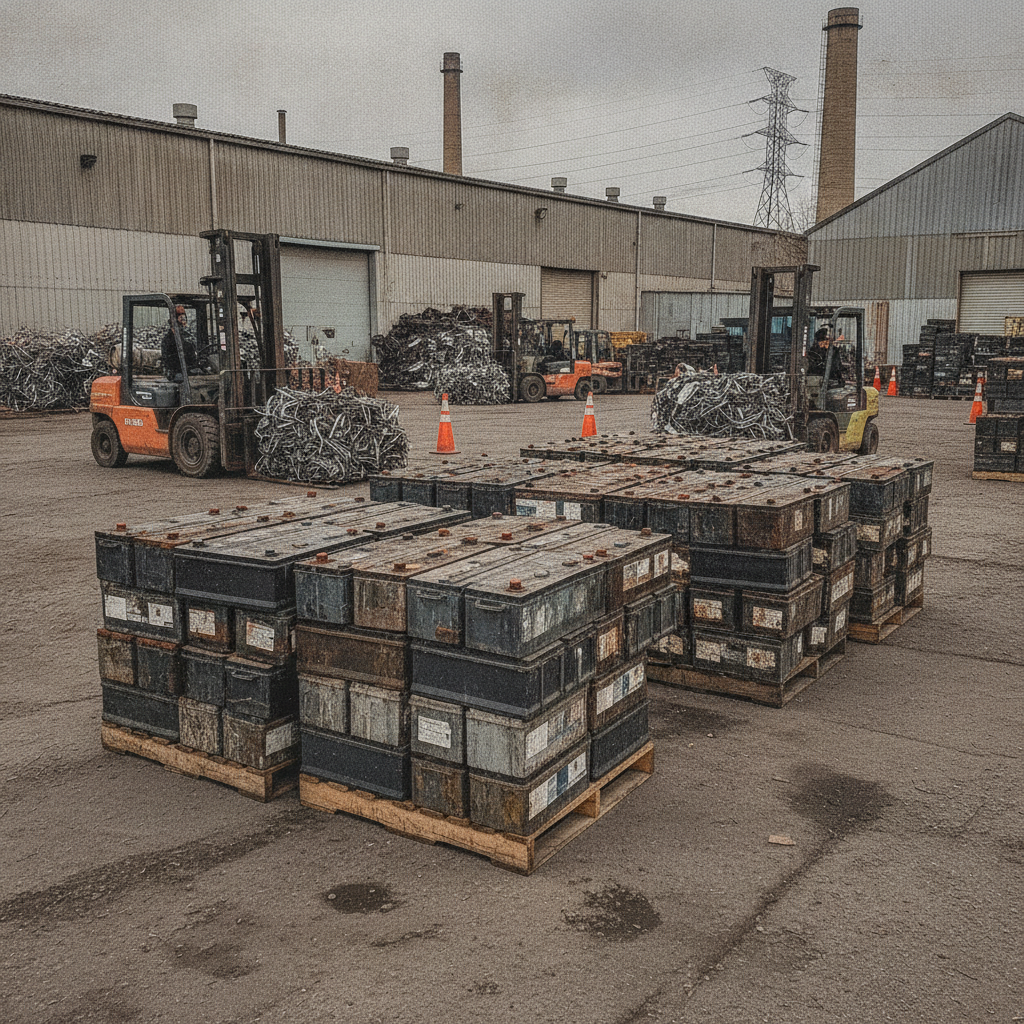
Scrap battery prices refer to what a scrap yard pays for used batteries based on recoverable materials, primarily lead, plus condition and market demand. In Etobicoke, Quick Scrap Metal evaluates batteries by weight, chemistry, and safety to offer fast payouts and responsible recycling. This guide explains how value is determined, what to bring, and how to prepare.
By Preet Dass — Quick Scrap Metal
Last updated: 2026-06-26
Above-Fold: Your quick answer on scrap battery prices
Scrap battery value is driven by battery type, weight, and the current commodity market for lead. Bring intact batteries (no spills, caps on) and valid ID. At Quick Scrap Metal in Etobicoke, we sort, weigh, and pay on the spot while ensuring safe, compliant recycling for households, trades, and fleets.
Here’s what you’ll learn in this complete guide and how to put it to work the same day you plan your drop-off.
- What scrap battery pricing actually means and what affects it
- How yards evaluate batteries step-by-step (from intake to payout)
- Which battery types are accepted and which require special handling
- Preparation tips to maximize your payout without guessing numbers
- Local drop-off guidance for Etobicoke, including timing and traffic
- Helpful tools, checklists, and examples from real neighborhood scenarios
Overview
Scrap battery prices are not flat fees; they’re determined by recoverable metal content and safe handling requirements. Heavier, intact lead-acid batteries typically return more value than damaged or mixed-chemistry packs. Quick Scrap Metal streamlines intake, so you unload fast, get weighed, and walk out with payment and peace of mind.
Most automotive batteries weigh roughly 30–50 pounds, and the lead inside commonly represents a significant share of total weight. That’s why yards focus on type, weight, and integrity. Tight processes at the scale keep your visit under an hour in typical conditions, even when traffic is busy around Etobicoke’s retail corridors.
What are scrap battery prices?
Scrap battery prices are payouts for end-of-life batteries based on the salvageable metals inside, especially lead. Yards classify by chemistry, verify integrity, and weigh each unit. Clean, complete units with caps and no leaks recycle efficiently and therefore tend to command stronger valuations at intake.
In practice, “price” is a reflection of material recovery economics and risk management, not a posted shelf tag. That means two batteries of the same size can be valued differently if one is cracked or missing components while the other is intact. The goal is safe, efficient recovery of lead and plastics, with traceable handling from your trunk to downstream processors.
- Material share matters: Lead-acid batteries contain substantial lead mass and durable polypropylene cases.
- Condition counts: Intact cases with sealed caps reduce spill risk and processing loss.
- Verification steps: Visual check, chemistry/type sort, and scale weight confirm eligibility.
At Quick Scrap Metal, we keep the flow simple for busy residents, contractors, and fleets. You unload, we assess and weigh, and you get paid quickly—while we manage all safety and environmental controls in the background.
Why scrap battery pricing matters
Understanding how scrap battery prices are determined helps you plan safe storage, faster drop-offs, and better outcomes. It ensures compliant handling of hazardous components and helps you choose a yard that pays fairly while keeping harmful materials out of landfills.
For Etobicoke residents and trades, battery piles build up quickly—especially after seasonal vehicle maintenance or equipment upgrades. Lead-acid batteries are among the most successfully recycled consumer products in North America, with recovery rates commonly reported above 95 percent. Still, improper storage can create spill risks and slow down your visit. Knowing what affects valuation and logistics saves time and reduces headaches.
- Safety first: Proper caps and upright transport lower hazard risk at home and at the yard.
- Time saved: Pre-sorted batteries speed up weighing and payout.
- Environmental impact: High recovery reduces mining demand and landfill pressure.
We see these benefits daily on our intake lanes—organized customers get in and out faster, and intact batteries move directly to processing streams without rework.
Scrap battery prices in 2026: what sellers should know
In 2026, scrap battery valuations hinge on the same fundamentals: chemistry, weight, integrity, and downstream market demand for lead. Sellers who bring sorted, intact lead-acid batteries with terminals taped and caps secured typically experience quicker check-ins and stronger evaluations than mixed, damaged loads.
While numbers fluctuate with commodity markets, the fundamentals you control remain consistent. Keep batteries upright, avoid cracks, and separate lead-acid from other chemistries. If you’re unsure about a specific unit, our team will identify it on arrival and advise next steps. Planning a combined run with old appliances or e-waste can further streamline your weekend chores—drop it all in one place and clear space at home or on the jobsite.
- What you can control: Sorting, safety prep, and documentation.
- What you can’t: Daily commodity market movements.
- What we optimize: Fast weighing, fair evaluation, and compliant recycling.
For a deeper dive into lead battery specifics, see our practical primer on lead battery scrap and how to prepare units before you arrive.
How scrap yards determine battery value
Scrap yards assign value by verifying chemistry, weighing the unit, and assessing integrity. Lead-acid batteries in good condition recycle efficiently, so they generally evaluate better than cracked or missing-cap units. Mixed loads are sorted first to prevent contamination and ensure safe downstream handling.
Here’s the intake flow we use at Quick Scrap Metal for typical drop-offs in Etobicoke:
- Identify battery type: Lead-acid (flooded, AGM, gel) vs. other chemistries.
- Safety check: Upright, capped, no visible leaks; terminals taped if exposed.
- Weighing: Confirm net weight; heavier units often indicate more recoverable lead.
- Documentation: Valid ID as required; quick intake details improve traceability.
- Payment: On-the-spot payout and recycling receipt as needed.
Because lead is dense, weight is a practical proxy for recoverable material. Many automotive batteries fall in the 30–50 pound range, while industrial units can exceed that significantly. Damage or missing components reduce efficiency and evaluation, as they introduce risk and extra handling.
Battery types and handling notes (no pricing)
| Battery type | Typical weight | Core material | Common sources | Handling notes |
|---|---|---|---|---|
| Automotive lead-acid (flooded) | 30–50 lb | Lead plates, sulfuric acid, PP case | Cars, light trucks | Keep upright, caps secured; tape terminals |
| AGM lead-acid | 30–55 lb | Lead, absorbed mat, PP case | Start-stop vehicles, premium batteries | Handle carefully; sealed but still hazardous |
| Deep-cycle lead-acid | 40–70+ lb | Lead plates designed for deep discharge | Marine, RV, solar, mobility | Heavy; dolly recommended for transport |
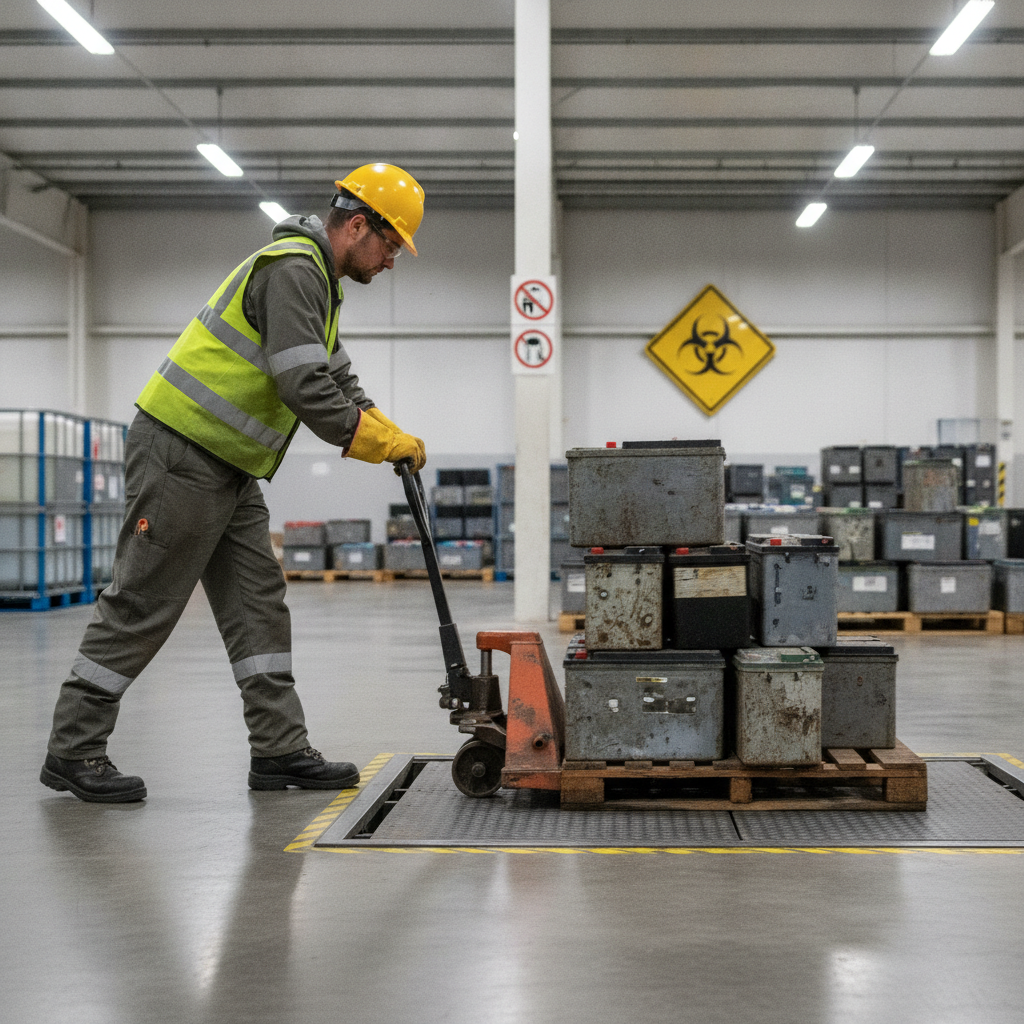
| Industrial lead-acid | 100+ lb | Lead cells, steel racks | Forklifts, UPS banks | Palletize; forklift or pallet jack required |
| Sealed lead-acid (SLA) | 2–20 lb | Lead in sealed case | Alarms, telecom, emergency lights | Bag small units to prevent shorts |
Sorting by chemistry prevents cross-contamination with e-waste or mixed metals. If you also have laptops, towers, or peripherals, include them in your run—our dedicated lanes for electronics recycling in Etobicoke help you clear out a full garage in one stop.
Battery types we accept at Quick Scrap Metal
We accept most lead-based batteries: automotive flooded and AGM, deep-cycle marine/RV, sealed lead-acid (SLA), and many industrial units. If you’re unsure about a specific chemistry or condition, bring it as-is; our team will identify it on-site and advise on safe handling or alternate routing.
Our intake aligns with our broader material list—“If it’s metal, we buy it!”—and includes lead and batteries, cables and wire, and a wide range of e-waste. That means fewer trips for households and small contractors. Combine batteries with old appliances or mixed metals to consolidate your weekend cleanup.
- Lead-acid automotive: Standard 12V passenger vehicles.
- AGM and gel: Start-stop vehicles and premium replacements.
- Deep-cycle: Marine, RV, mobility scooters, and solar storage.
- Sealed lead-acid (SLA): Alarm panels, telecom backups, emergency lighting.
- Industrial units: Forklift cells and UPS cabinets—call ahead for heavy loads.
Unsure whether your battery is recyclable? We’ll sort it, advise on prep, and ensure compliant downstream handling. If your project also includes end-of-life vehicles, our scrap car guidance shows how to stage a clean, single-run drop-off without disrupting jobsite schedules.
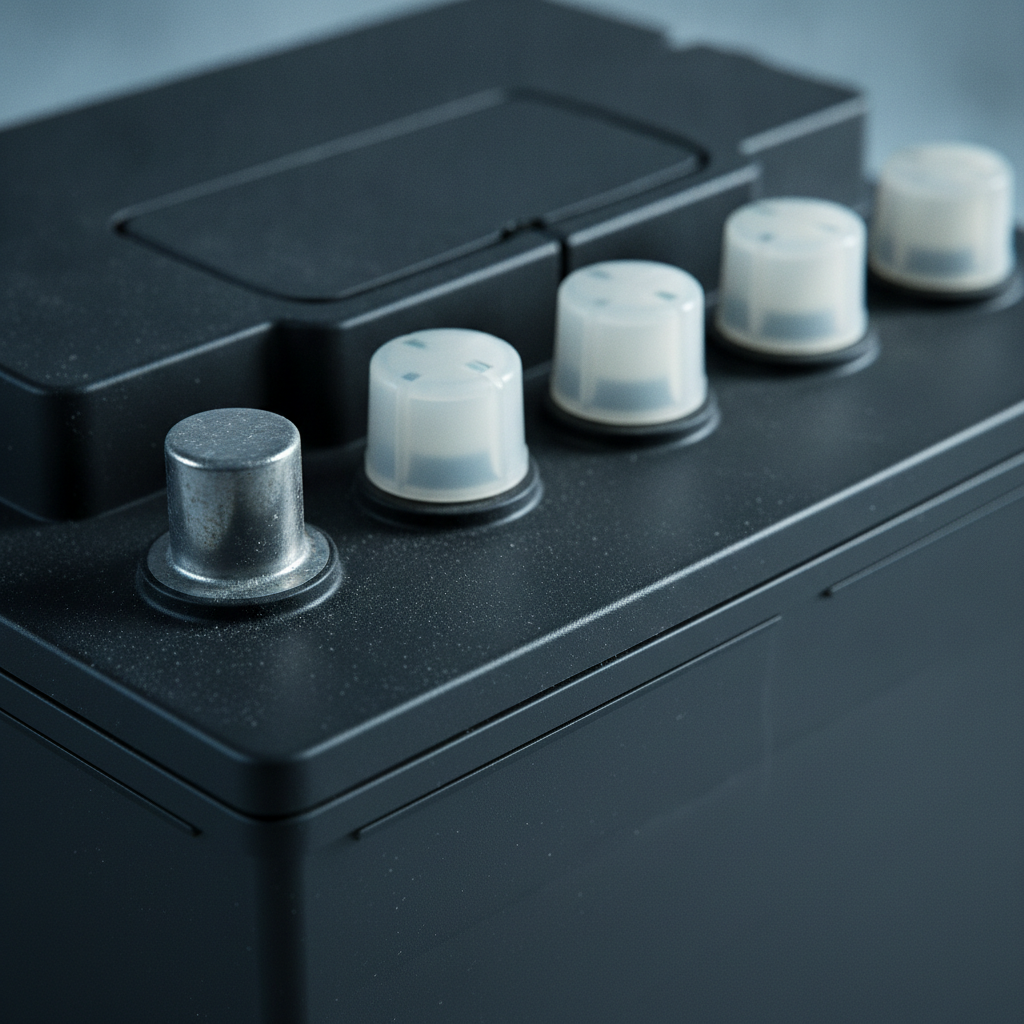
Best practices to maximize your payout (without quoting prices)
You can’t control commodity markets, but you can control prep. Keep cases intact, cap and tape terminals, sort by chemistry, and avoid leaks. Arrive with ID and a clear load. These steps speed intake, reduce risk, and support a stronger evaluation at the scale.
Preparation checklist
- Stand batteries upright; never stack on their sides.
- Tape exposed terminals to prevent shorts.
- Retain caps and vent plugs; don’t drain electrolyte.
- Bag small SLA units to keep terminals covered.
- Separate lead-acid from lithium or unknown chemistries.
- Bring valid ID; keep the trunk accessible for quick unloading.
Transport and safety
- Use a dolly for units above ~40 pounds; avoid back strain.
- Wear gloves and eye protection; treat all cases as potentially compromised.
- Avoid smoking or open flames near batteries.
- If a case is cracked or leaking, place it in a plastic tote to contain spills.
In our experience, well-organized drop-offs take a fraction of the time compared to mixed, loose loads. If you’re combining metals, consider our junk removal guidance to plan a cleanout with minimal handling.
Tools and resources for battery drop-offs
A simple kit—work gloves, clear contractor bags, painters’ tape for terminals, a hand truck, and plastic totes—covers most small to mid-size drop-offs. Heavier industrial units should be palletized. Call ahead if you’re bringing racks or cabinets so we can stage the right equipment.
Handy equipment list
- Gloves and safety glasses (basic PPE)
- Contractor bags (to group small SLA units)
- Painters’ tape (to cover exposed posts)
- Plastic totes (for cracked cases)
- Dolly or hand truck (for 40–70 lb batteries)
- Pallet jack or forklift access (for industrial units)
Reselling tested, working batteries is different from scrapping. To understand how retail platforms frame battery sales, review this overview from an established e‑commerce provider on how to sell batteries online. For end‑of‑life units, scrap recycling is the right, compliant path—bring them to our intake lanes for safe processing.
Drop-off and logistics in Etobicoke
Plan your visit around lighter traffic windows and bundle batteries with other metals or e‑waste. Our extended weekday hours and open Sundays make same-day cleanouts realistic. Clear labels and sorted loads speed your check-in and payment at our Etobicoke yard.
Weekend cleanups often include appliances, mixed ferrous offcuts, and old PCs. We accept those too, so you can make one efficient trip instead of three. If you want category-specific intake guidance for computers and peripherals, explore our page on electronics drop-offs and packing tips.
Local considerations for Etobicoke
- Plan around family stops near Woodbine Mall & Fantasy Fair—combine errands, then swing by with batteries in the trunk.
- Winter drop-offs: batteries are heavier when cold; use a dolly and keep units upright to avoid slips on icy surfaces.
- Busy contractor mornings: stage your load the night before, label chemistries, and aim for mid-morning to avoid peak rushes around Flagstaff Park traffic.
Case studies: real Etobicoke scenarios
Organized prep shortens your visit and supports better evaluations. These quick scenarios show how households, trades, and fleets in Etobicoke approached battery drop-offs—and what they did to make the process faster and safer.
Household cleanout: garage makeover in one trip
A homeowner gathered two car batteries, a mobility scooter SLA pack, and a box of old keyboards. Everything was upright, terminals taped, and the SLAs were bagged. Intake, weighing, and payout took under 30 minutes, and the garage gained a full shelf of space.
Contractor run: demo week with mixed metals
A small contractor arrived with lead-acid batteries from equipment, copper offcuts, and a dishwasher. The team sorted batteries first, then routed metals and the appliance to the right lanes. With our extended hours, they cleared their yard before their next morning site call.
Fleet maintenance: quarterly battery haul
A local fleet bundled a quarterly load of automotive and AGM batteries on pallets. With a quick heads‑up call, we staged a pallet jack and had them in and out efficiently. Their safety officer appreciated the documented intake for internal compliance tracking.
Frequently Asked Questions
Battery recycling questions usually focus on safety, preparation, and timing. Here are clear, direct answers to the most common questions Etobicoke residents and contractors ask before they arrive at our yard.
Which battery types do you accept?
We accept most lead-based batteries: automotive flooded and AGM, deep-cycle marine/RV, sealed lead-acid (SLA), and many industrial units. If you’re unsure about a specific chemistry or a damaged case, bring it as-is and we’ll route it safely.
How should I prepare batteries for drop-off?
Keep cases upright, cap and tape terminals, sort by chemistry, and bag small SLAs. Use a dolly for heavy units and place cracked cases in plastic totes. Bring valid ID and keep your trunk clear for quick unloading.
Can I bring other items with my batteries?
Yes. We’re a one‑stop drop‑off for metals, appliances, and electronics. Combining categories—like batteries plus old PCs or a dishwasher—often makes your visit faster and frees up more space at home or the shop.
Do you publish price lists?
Our evaluations reflect current market conditions, battery type, weight, and integrity. Because markets move and conditions vary, we focus on fast on‑site evaluation and payment rather than posting fixed numbers.
Key takeaways
Maximize value by controlling what you can: safe prep, sorting, and timing. Let us handle weighing, evaluation, and responsible recycling. One organized trip can clear a garage or jobsite and convert batteries into fast payouts—safely and compliantly.
- Scrap battery prices reflect recoverable lead, condition, and market demand.
- Intact, sorted batteries evaluate faster and more favorably.
- Bundle batteries with other metals or e‑waste for a one‑stop drop‑off.
- Use basic PPE and dollies to protect yourself and your team.
- Extended hours and Sunday openings make weekend cleanouts realistic.
Conclusion and next steps
Scrap battery pricing is all about material recovery and safe handling. Prepare smart, sort by chemistry, and arrive with ID for a fast, compliant visit. Our Etobicoke yard streamlines intake and pays on the spot so you can clear space and get back to your day.
Ready to plan your run? Skim our pages on lead battery scrap, electronics recycling, and metal junk yard tips to combine items into one efficient trip.
Need a quick gut-check before you load up? Send us a note with battery count and any heavy or industrial units so we can stage equipment. Prefer phone? Visit our website for instant contact options.
Curious how retail platforms approach battery sales? Review this overview of battery retail for context on product rules—then choose proper recycling for end‑of‑life units. For perspectives on auto end‑of‑life logistics in Ontario, see regional notes from auto recyclers’ service pages and their contact guidance about safe pickups and documentation.