
A Practical Guide to Scrap Iron Pickup
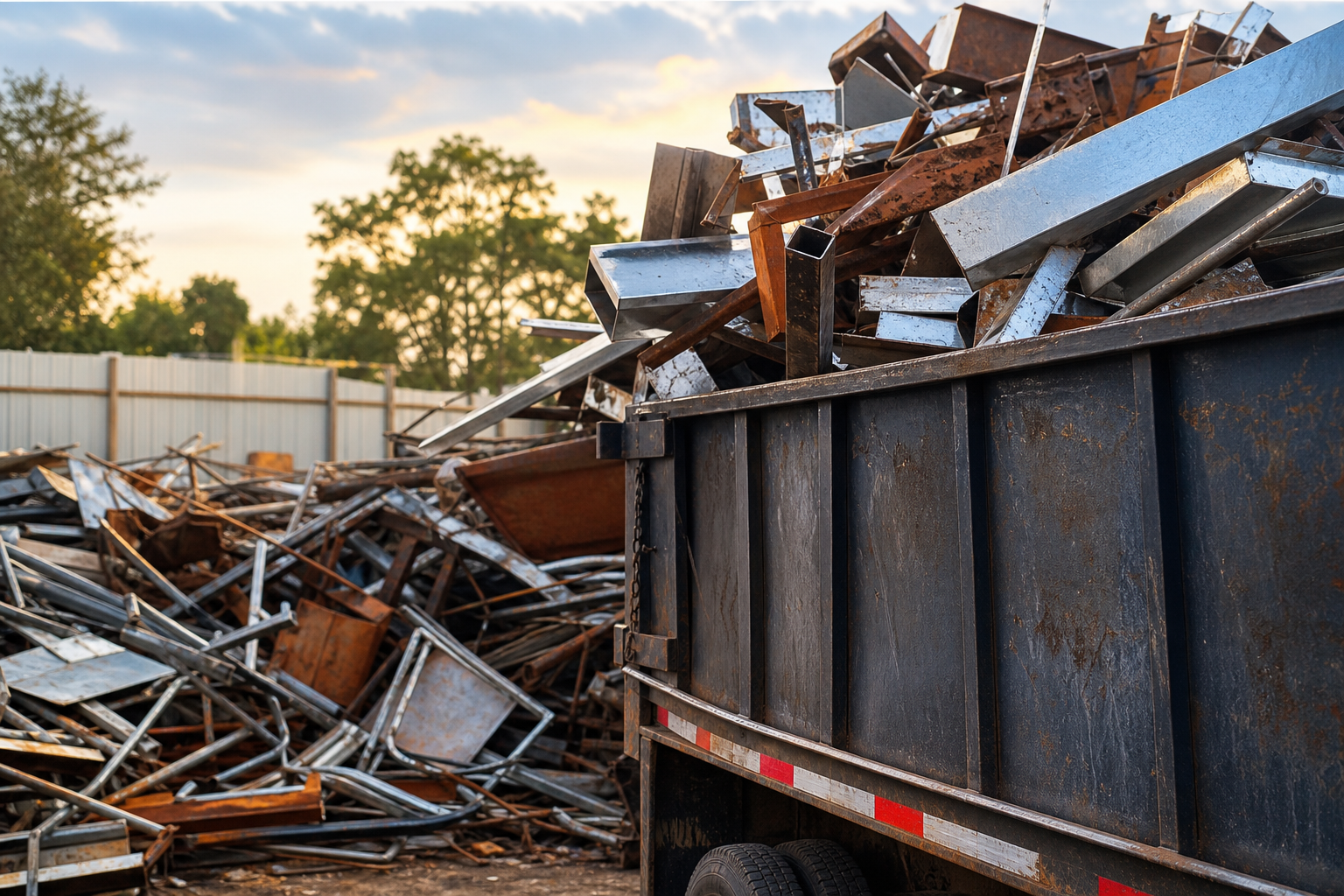
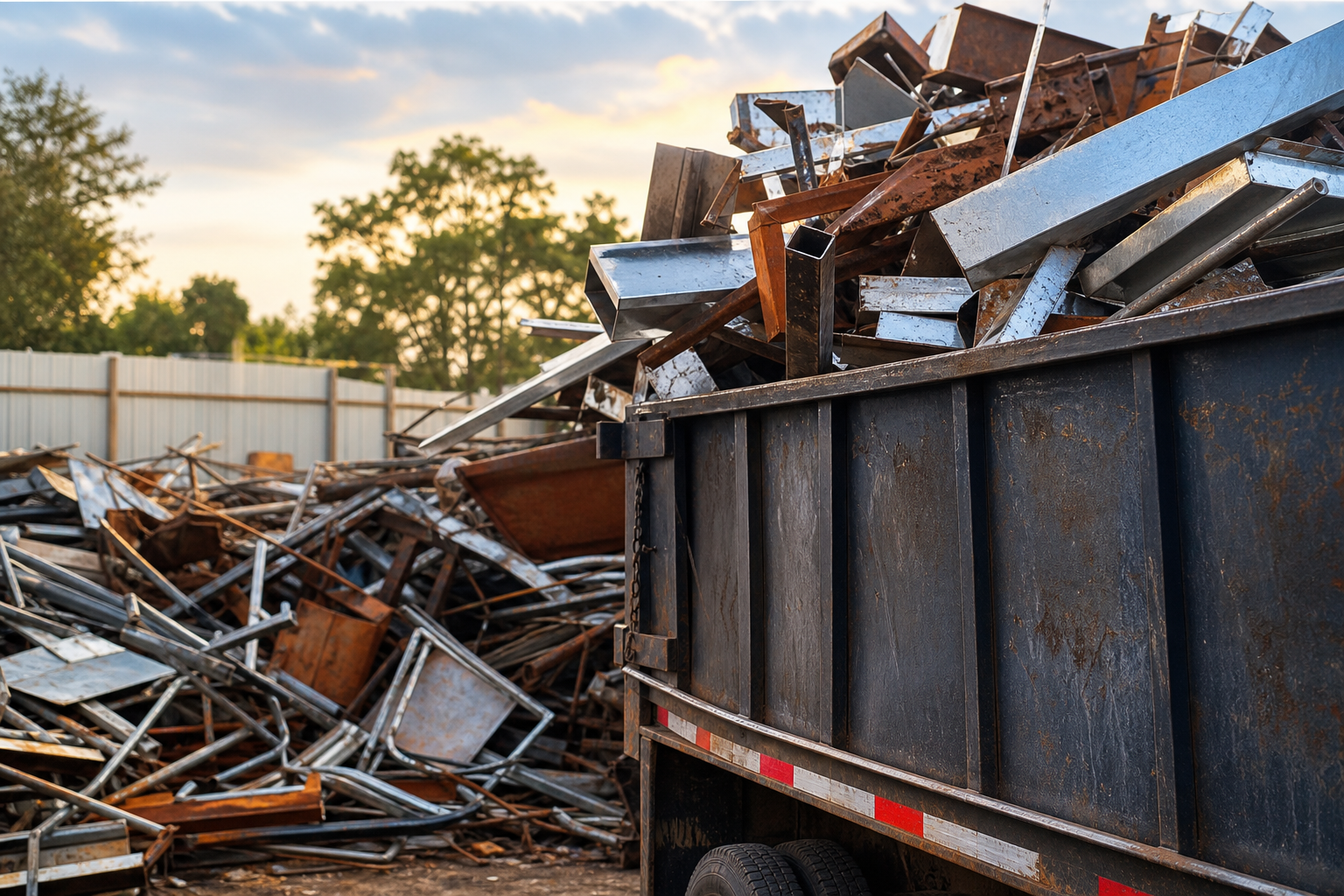
Scrap iron pickup can turn cluttered spaces into clear ones while helping materials re-enter productive use. Whether you are clearing a garage, wrapping up a job site, or managing facilities maintenance, a systematic approach saves time, reduces safety risks, and makes handoff to a hauler or recycling yard smooth. This guide explains how to identify scrap iron, prepare it for collection, choose a pickup path, and coordinate a clean, safe handoff.
What counts as scrap iron?
Scrap iron generally refers to ferrous materials that contain iron and are attracted to a magnet. Many everyday items qualify once they have reached the end of their usable life, including:
- Building components: beams, rebar, angle iron, plate, pipe, and ducting
- Household and yard items: tools, shelving, grills, lawn equipment frames, and cast-iron cookware
- Automotive parts: rotors, brake drums, engines, transmissions (often mixed with non-ferrous parts), and frames
- Appliance shells and components: washers, dryers, ovens, and HVAC housings (often mixed materials)
- Industrial and trade offcuts: punchings, turnings, stampings, machine bases, and racks
While the term “scrap iron” is broad, items often contain attachments made from other materials. Separating those attachments where practical improves organization and can simplify pickup.
Identify and sort scrap iron
Good sorting is the single biggest step you can take to streamline pickup. It speeds loading, keeps sharp materials controlled, and helps keep your site tidy.
- Use a magnet test. If a magnet sticks strongly, you’re likely dealing with a ferrous item such as iron or steel. If it does not, set that item aside as non-ferrous (e.g., aluminum, copper, or stainless types) for separate handling.
- Group by form factor. Organize long stock (pipes, angles, rebar), plate and sheet, small offcuts (punchings, short pieces), cast items (radiators, rotors, cookware), and mixed assemblies.
- Isolate mixed-material items. For assemblies with fasteners, plastic housings, wiring, or motors, place them in a separate “deconstruction” zone.
- Stage near access paths. Keep piles accessible to reduce double-handling. Avoid blocking doors, aisles, or emergency routes.
Prepare iron for pickup
Preparation makes loading faster and safer. Aim for compact, stable bundles and clearly labeled groups.
- Remove obvious non-metal attachments where practical. Detach wood, fabric, rubber feet, plastic covers, and loose debris. Keep fasteners in a bin so they do not scatter.
- Consolidate smalls. Place small pieces, hardware, and offcuts into sturdy containers such as plastic totes, pails, or bins. Label them “Ferrous Smalls.”
- Bundle long stock. Use steel banding or heavy-duty straps to tie rebar, conduit, and angle into manageable bundles. Clearly mark sharp ends.
- Drain and secure. If an item could contain residual fluids (e.g., certain equipment housings), ensure it is drained and wiped down before staging. Keep absorbent pads on hand for incidental drips.
- Deconstruct assemblies selectively. Focus on fast wins: remove obvious non-metal panels and easily accessed components. Do not over-invest time on stubborn parts if pickup timing is tight.
Safe handling and loading
Iron is dense and can have sharp or uneven edges. Basic precautions reduce the risk of injury and damage.
- Personal protective equipment (PPE): Wear cut-resistant gloves, safety glasses, long sleeves, and steel-toe footwear.
- Mechanical advantage: Use dollies, pallet jacks, pry bars, and lift tables to avoid strain. For large items, plan team lifts with clear commands.
- Edge management: Cap or flag sharp ends on angle, sheet, and wire bundles. Keep shear edges pointed in a single, predictable direction.
- Stable staging: Stack in low, wide piles. Avoid tall, tippy stacks that can slough or roll.
- Weight awareness: Dense iron adds up quickly. Respect equipment limits and keep walkways clear.
If at any point a situation appears unsafe, pause and reassess your lift plan, tooling, and staging. Slow is smooth—and smooth is fast.
Choose a pickup option
There are several ways to move scrap iron off-site. The right choice depends on volume, access, timing, and your available labor.
- On-demand hauler: A scheduled hauler picks up from your location. Prepare clear access, stage material near the loading area, and confirm any size or weight constraints in advance.
- Roll-off or bin service: For ongoing projects, a container staged on-site allows gradual loading. When full, it is swapped or removed. Keep incompatible materials out to avoid contamination.
- Direct drop-off: If you have transport available, consolidate loads and deliver directly. This can be efficient when your team controls timing and handling.
- Community or event collection: Periodic collection events can be an option for household quantities. Check eligibility and accepted materials ahead of time.
Whichever path you choose, clear communication about access, loading conditions, and material types minimizes surprises at pickup.
Estimating weight and volume
While exact weights require a scale, rough estimates help you plan handling and transport.
- Density awareness: Iron and common steels are heavy—volume deceives. Even small bundles can be hundreds of pounds.
- Form matters: Plate, solid bar, and cast items are compact and dense; sheet and thin-wall tubing are lighter per piece but bulky.
- Use reference items: Automotive brake rotors, barbell plates, or known tool weights can orient you to “feel” and improve estimates over time.
- Weigh containers: If possible, weigh a representative bin when it is partially full to extrapolate totals.
Accurate estimates help you pick the right vehicle, plan crew size, and stage materials to avoid overloads.
Documentation and records
Simple records save time, align expectations, and make repeat pickups easier.
- Item list: Keep a tally of categories (e.g., plate, angle, pipe, cast, smalls, mixed assemblies) and approximate counts or volumes.
- Condition notes: Flag oversized pieces, heavy clusters, or anything requiring special equipment.
- Photos: Quick photos of staged piles help communicate scope, access, and obstacles to your pickup partner.
- Timeline: Note preferred pickup windows, site hours, loading dock or gate details, and contact information for day-of coordination.
Eco-friendly considerations
Scrap iron is highly recyclable and can be reprocessed into new products. You can support better outcomes with small steps during prep:
- Keep contaminants out: Separate non-metal debris, plastics, and packaging. Clean separations reduce disposal of non-recyclable residues.
- Sort by material family where feasible: Separate obvious non-ferrous pieces (e.g., aluminum frames) to streamline downstream handling.
- Manage fluids and residues: Drain items that could contain oils or coolants before staging, and keep absorbents on hand for incidental spills.
Day-of pickup checklist
Use this quick run-through before the truck or hauler arrives:
- Access points clear and unlocked; parking or loading zones identified
- Materials sorted and staged close to the loading area
- Loose smalls contained in bins or totes
- Long stock bundled and flagged for sharp ends
- Oversized or heavy items called out in advance
- PPE ready for anyone assisting with loading
- Walkways and exits unobstructed
- Contact person on-site with phone charged and available
- Documentation handy: counts, special notes, photos
Troubleshooting common issues
- Mixed-material pile: If you run short on time, label problem items clearly as “Mixed” and segregate them. That transparency speeds decision-making during loading.
- Awkward geometry: Cut or unbolt protrusions that prevent stacking or safe lifting. Even one or two strategic cuts can turn an awkward object into a stable bundle.
- Weather disruption: Cover staged piles with tarps to keep surfaces dry and reduce slip hazards. Secure tarps to prevent wind lift.
- Limited manpower: Pre-bundle and containerize everything possible so loading relies more on equipment than extra hands.
FAQ
What is the easiest way to tell if something is scrap iron?
Use a strong magnet. If it sticks firmly, it is likely a ferrous metal such as iron or steel. If it does not stick, separate it as non-ferrous for different handling.
Should I remove non-metal parts before pickup?
Removing obvious non-metal attachments (plastic covers, wood, rubber) where practical helps streamline loading and reduces contamination. Focus on fast, easy removals rather than complex tear-downs if time is limited.
How should I bundle long or sharp materials?
Group similar lengths together and secure with steel banding or heavy-duty straps. Flag or cap sharp ends, and keep bundles to a size and weight you can move safely with your available equipment.
What if I cannot estimate the weight of my pile?
Make a conservative guess based on form factor (plate and cast pieces are dense), and consider weighing a representative container to extrapolate. When in doubt, plan for a vehicle and gear rated above your estimate.
Can appliances be included with scrap iron?
Appliances often contain significant ferrous metal but may also include non-metal panels, wiring, and components. If time allows, remove easy non-metal attachments and keep the remainder clearly labeled as mixed for pickup.
Templates and quick checklists
Use or adapt the following lists to keep your project on track.
Sorting labels: Ferrous Longs • Ferrous Plate/Sheet • Cast/Iron Rotors • Smalls/Offcuts • Mixed Assemblies • Non-Ferrous (Separate)
Tools to stage nearby:
- Magnet, tape measure, permanent markers, zip ties
- Straps or steel banding, edge guards or caps
- Heavy-duty totes or tubs with lids
- Dolly or pallet jack; pry bar; tie-downs
- PPE: gloves, glasses, boots, long sleeves
- Absorbent pads, broom, dustpan, and a scrap magnet wand