
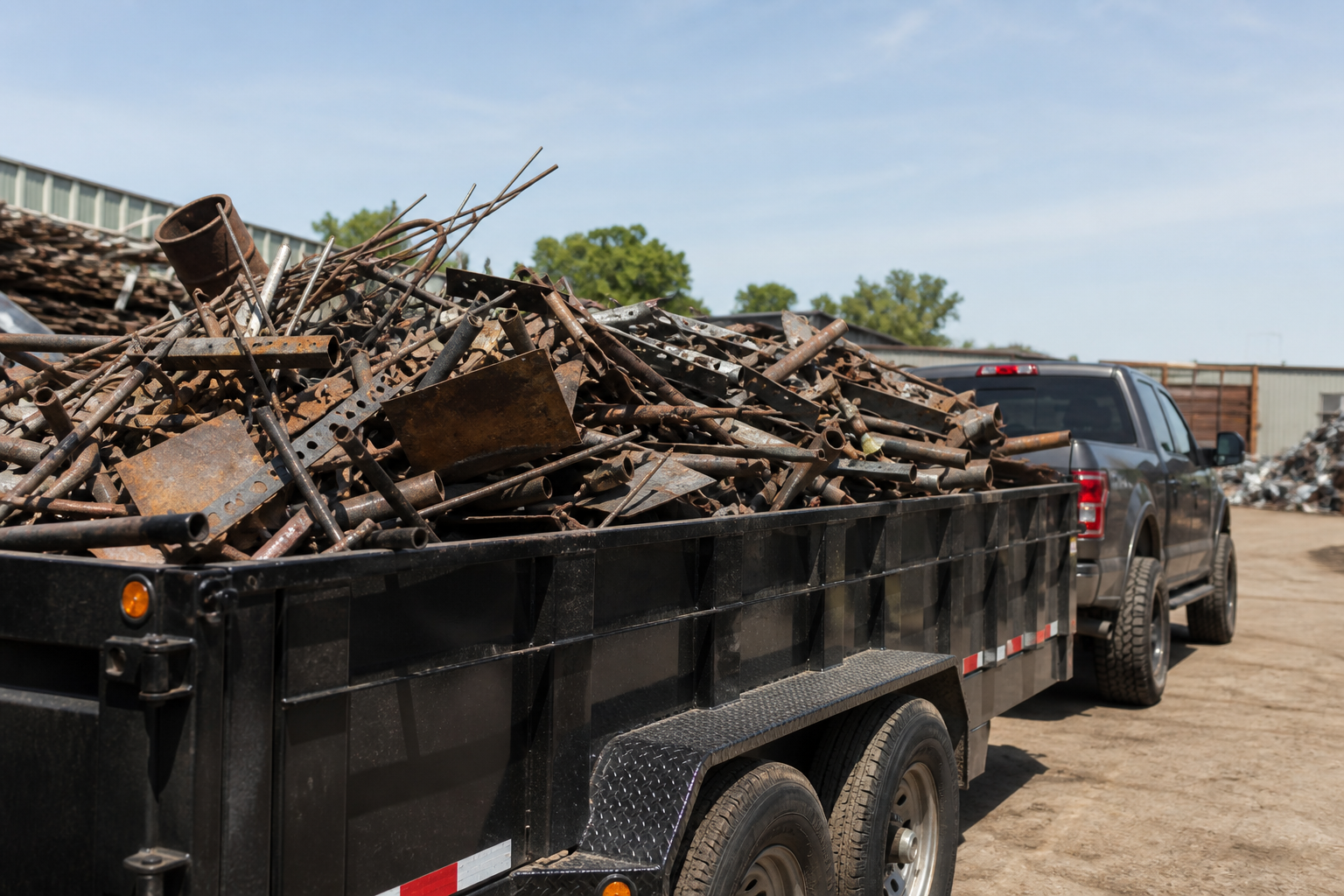
Arranging scrap steel pickup can be straightforward when you follow a clear plan. Whether you’re clearing out a garage, wrapping up a renovation, managing shop offcuts, or handling decommissioned equipment, the right preparation saves time, reduces hazards, and can influence what you pay or get paid for material. This practical guide covers what counts as scrap steel, how to prep it efficiently, what haulers typically need to know, day‑of best practices, and answers to common questions.
What counts as scrap steel?
“Scrap steel” is a broad category of ferrous metals that are attracted to a magnet. Common sources include:
- Household and building materials: shelving, bed frames, pipe, rebar, studs, fencing, doors, roofing panels, siding and trim, radiators, ductwork, and hardware.
- Automotive and machinery: rotors, gears, transmissions, engines and motors, frames, lawn mowers, snow blowers, and compressors.
- Appliances and fixtures: washers, dryers, ranges/ovens, microwaves, BBQs, range hoods, and faucets.
- Mixed shop or jobsite steel: plate, angle, channel, I‑beam, tube, mesh, and wire products.
Steel scrap is often grouped by form and cleanliness (for example, heavy plate and structural pieces versus mixed light iron). If you’re not sure whether a piece is steel, use a magnet test as a quick indicator—steel is typically magnetic.
Decide: pickup vs. drop‑off
Before you book, consider whether you truly need a pickup or if a self‑drop‑off makes more sense. Use this short decision framework:
- Volume and weight: If you can safely load your own vehicle in one or two trips, drop‑off may be simpler. Large volumes or oversized pieces often justify a pickup.
- Access: Tight alleys, low clearances, stairs, or indoor basements may require extra labor or special equipment. If access is easy at ground level, pickup is faster.
- Time and labor: If your team is already mobilized for demolition, self‑haul can be efficient. If labor is limited, scheduled pickup can reduce disruption.
- Material type: Clean, sorted steel is faster to load. Mixed or attached materials can add time. Factor prep effort into your choice.
- Transportation constraints: If you lack a suitable vehicle, ramps, or tie‑downs, a pickup may be safer.
How to prepare scrap steel for pickup
Good preparation speeds up loading, supports safer handling, and can influence your net cost or value. Focus on four areas: sorting, size reduction, de‑contamination, and staging.
1) Sort by category
- Group heavy pieces (beams, plate) separately from light iron (sheet metal, wire shelving).
- Isolate stainless steel and other non‑ferrous metals (aluminum, copper, brass) if present. Keep different metals in separate piles or containers.
- Bundle small, similar items (bolts, brackets) in sturdy buckets or crates.
2) Reduce size where safe
- Cut long stock to manageable lengths that fit pathways, doorways, and truck beds.
- Remove protruding fasteners and sharp edges where practical to minimize snagging.
- Avoid cutting pressurized, sealed, or unknown vessels. If in doubt, do not cut.
3) Remove obvious non‑metal attachments
- Detach wood, plastic, foam, fabric, or rubber where feasible.
- Empty drawers and cabinets; remove glass panes from steel doors or appliances where practical.
- Do not attempt to handle refrigerants, oils, coolants, or other regulated substances yourself. For any material involving potentially hazardous components, consult a qualified professional.
4) Stage for a straight, clear path
- Move prepared piles as close as safely possible to the pickup point.
- Keep pathways wide and level; mark low clearances and trip hazards with tape or cones.
- Consolidate loose items into bins and secure bundles with banding or wire.
Measure and estimate without guesswork
Accurate estimates help haulers assign the right truck and crew. Use practical, verifiable methods:
- Count and list items: “Eight 6‑ft lengths of angle, three radiators, one range, mixed sheet pile in a 4×4×3 ft stack.”
- Use a household scale: Weigh a container empty and then full of small scrap; multiply by the number of similar containers.
- Measure stack dimensions: Note length × width × height of consolidated piles and include photos with a tape measure in frame.
- Note the heaviest single item: If anything exceeds typical lift capacity for one or two people, flag it.
A simple one‑page inventory with counts, dimensions, and photos often prevents miscommunication and re‑visits.
Safety first—for you and the crew
Steel is durable, sharp, and heavy. Prioritize safe prep and loading:
- Wear PPE: cut‑resistant gloves, long sleeves, pants, safety glasses, and sturdy boots.
- Lift smart: team‑lift heavy pieces; use dollies, carts, or skids instead of manual carries whenever possible.
- Stabilize loads: band bundles and use dunnage to keep round stock from rolling.
- Control edges: cap or tape razor‑sharp sheet metal corners.
- Keep children and pets away from the work area.
- Never cut unknown tanks or vessels; avoid sparks near flammable residues.
Information haulers typically need
Provide clear, concise details when requesting a pickup. This checklist covers the essentials:
- Address and site notes: unit number, gate codes, closest truck access, and any time restrictions.
- Material summary: types of steel, estimated total volume/weight, largest item dimensions.
- Photos: wide shots of the staging area and close‑ups of representative items.
- Access constraints: stairs, soft ground, low overhead clearance, narrow hallways or doors.
- Equipment on site: pallet jack, forklift, loading dock, ramps, or none.
- Labor expectations: curbside hand‑load, interior carry‑out, disassembly needed, or no assistance available.
- Contact on arrival: name and mobile number; specify if a signature or documentation is required.
Cost and value factors
Pickup arrangements and material preparation influence your net outcome. Common drivers include:
- Weight and density: Heavier, consolidated loads are more efficient to move.
- Cleanliness: Less non‑metal contamination often means faster handling.
- Size and handling: Oversized or awkward pieces can require special equipment or extra labor.
- Sorting: Pre‑sorted categories reduce on‑site time; mixed loads may take longer.
- Distance and access time: Travel, waiting, and complex site navigation add to total job time.
- Market category: Ferrous steel is typically valued differently than non‑ferrous metals like copper or aluminum.
Because circumstances vary, request a clear description of how fees or payments are calculated for your specific job before scheduling.
Day‑of pickup checklist
- Confirm staging area is clear, dry, and reachable by the vehicle and crew.
- Have the material list and any required documentation ready.
- Unlock gates, reserve parking, and secure elevators or loading docks if applicable.
- Walk the route and remove obstacles; mark hazards with cones or tape.
- Keep pets and bystanders out of the work zone; maintain a communication plan with the crew.
- Do a final sweep after loading for stray fasteners, shards, or banding.
After pickup: simple recordkeeping
Maintain a lightweight paper trail for your records:
- Save the itemized list, photos, and any receipts or weight tickets provided.
- Note the date, pickup company, contact person, and vehicle identifier if available.
- Record any follow‑up commitments (e.g., a second load, bin swap, or documentation to be sent later).
These basics help with warranty questions on new replacements, insurance documentation, or internal audits for businesses.
Frequently asked questions
How clean does scrap steel need to be before pickup?
Remove obvious non‑metal attachments such as wood, plastic, and fabric when reasonable. Wipe off loose debris and drain free‑flowing liquids from removable containers. For any materials involving oils, refrigerants, or other regulated substances, do not attempt DIY removal—consult a qualified professional. Clear labeling and separate piles for “clean” versus “mixed” steel help crews load faster.
Can I mix steel with other metals in the same pickup?
Yes, but sorting improves efficiency. Keep steel separate from non‑ferrous metals like copper, aluminum, brass, and from stainless steel. Use labeled bins or tarps for each category. If you must combine, bag small parts and keep heavier items at the bottom of a consolidated pile to prevent shifting during transport.
What if my scrap is indoors or upstairs?
Flag access constraints early. Share photos of hallways, doorways, stairs, and tight turns, plus the approximate size of your largest item. Note whether there is an elevator or loading dock and whether building rules require certificates of insurance, off‑peak hours, or protective floor coverings.
How can I tell if something is steel versus another metal?
Use a magnet test: steel (ferrous) is typically magnetic, while many non‑ferrous metals like aluminum and copper are not. Visual cues also help—steel often shows rust over time, whereas aluminum forms a dull gray oxide without reddish rust. When in doubt, keep questionable items in a separate pile.
Do I need documentation to prove ownership?
Some items—especially industrial equipment, vehicle parts, or materials with serial numbers—may warrant proof of ownership or disposal authorization. Keep bills of sale, decommission letters, or property manager approvals on hand to avoid delays.
Should I remove paint or heavy rust?
Light surface rust is common and typically not a problem. Focus your effort on removing bulky non‑metal attachments rather than grinding off rust or paint. If coatings contain unknown substances, avoid sanding or cutting and keep the pieces intact.