
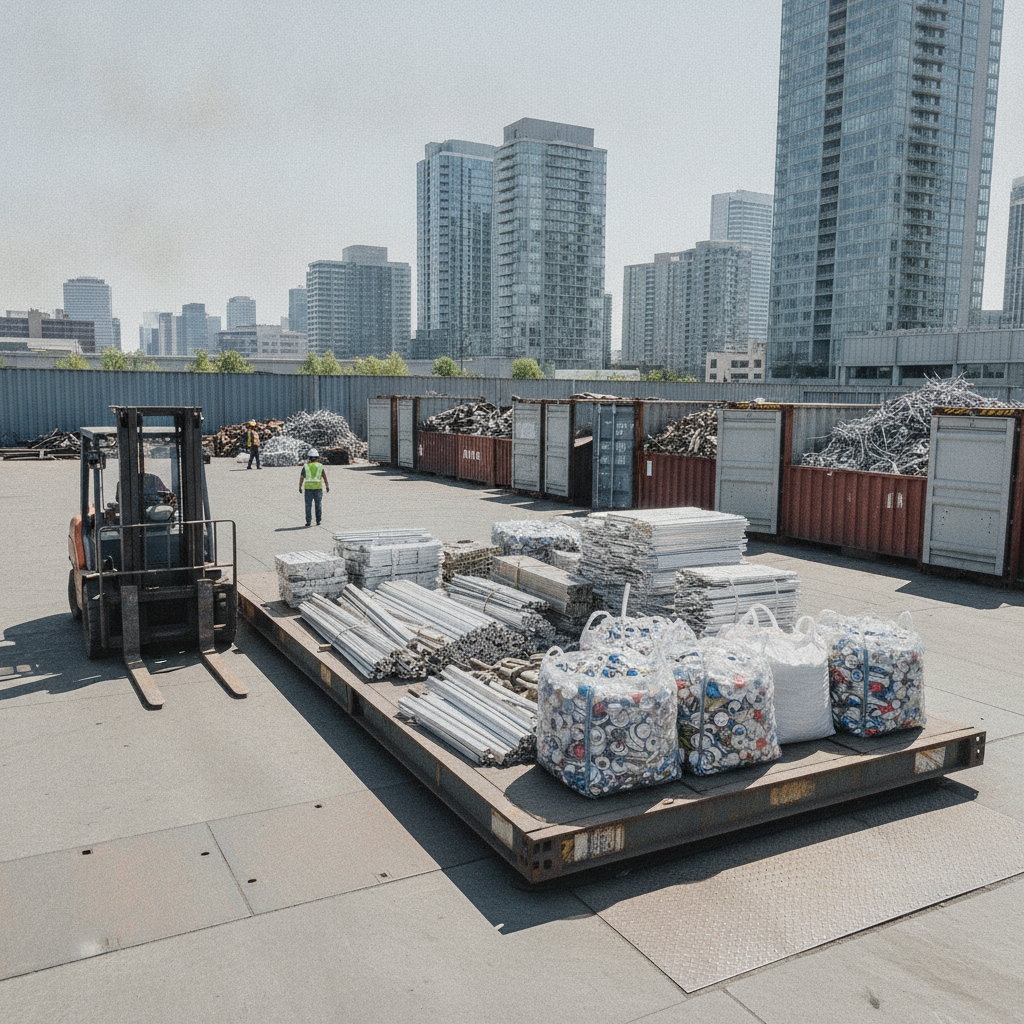
Aluminum per pound is the weight-based value scrap yards use to evaluate and buy aluminum items. It reflects metal grade, cleanliness, and real-time market conditions. In Etobicoke, our team at Quick Scrap Metal weighs, classifies, and pays on the spot, so you turn sorted aluminum into fast, responsible recycling without guesswork.
By Preet Dass | Quick Scrap Metal
Last updated: 2026-06-24
Summary and table of contents
This guide explains how aluminum per pound works, why preparation changes outcomes, and how to drop off aluminum efficiently in Etobicoke. You’ll learn grades, yard workflow, practical tools, and real examples. Use this as a checklist to prep smarter and recycle aluminum with confidence.
Here’s what you’ll find below and how to use it fast.
- What “aluminum per pound” means and how a scrap yard calculates your ticket
- Why smart sorting and clean prep improve outcomes for homeowners and contractors
- Step-by-step yard process from scale-in to immediate payment
- Key aluminum grades with identification tips and prep advice
- Best practices, tools, and a quick process table you can follow
- Local considerations for Etobicoke drop-offs
What is “aluminum per pound”?
“Aluminum per pound” is a weight-based valuation method for scrap aluminum. Yards classify your items by grade (extrusion, sheet, cast, cans, radiators, foil, turnings), verify weight on certified scales, and issue payment accordingly. Clean, properly sorted aluminum typically yields stronger outcomes than mixed or contaminated material.
At its core, aluminum per pound ties what you bring to objective measurements and clear categories. That’s why two loads with the same weight can produce different outcomes: grade, cleanliness, and attachments change the result. Cleanliness means fewer non-aluminum parts and less residue, leading to better classification.
- Weight first: Scales determine pounds; accurate readings require safe, stable placement and clear unloading.
- Grade matters: Extrusion, sheet, cast, and cans are distinct—each follows different melting and downstream needs.
- Contamination lowers outcomes: Steel screws, paint, dirt, and plastic reduce classification quality.
- Documentation: Many yards require valid ID for regulated items; come prepared.
In our experience at Quick Scrap Metal, the simplest win is sorting at home. Even removing a handful of steel fasteners from aluminum siding can protect your classification and streamline your yard visit.
Why aluminum per pound matters in Etobicoke
Understanding aluminum per pound helps Etobicoke residents, contractors, and small businesses turn clutter into value quickly. Smart prep reduces re-sorting, protects better classifications, and speeds up your yard visit—especially during busy evenings and Sundays when Quick Scrap Metal extends hours.
Here’s why this topic matters to local sellers:
- Time is money: Sorted, clean aluminum moves through the scale and inspection lines faster.
- Less frustration: Proper categories reduce back-and-forth at the scale and rework at the unloading area.
- Eco benefits: Aluminum recycling conserves energy compared to primary production and keeps materials in circulation.
- Convenience: Our extended hours—open late on weekdays and open Sundays—fit real schedules.
- One-stop drop-off: Bring aluminum, other metals, appliances, and electronics in a single trip.
Quick Scrap Metal serves Etobicoke and the broader GTA with a simple promise: If it’s metal, we buy it. Aluminum per pound is one of the most familiar ways residents interact with that promise because aluminum is everywhere—siding, gutters, radiators, window frames, ladders, and beverage cans.
How aluminum per pound works at a scrap yard
The yard process is straightforward: arrive and check in, weigh on certified scales, unload safely by grade, get a visual inspection, confirm the weight, then receive immediate payment for qualifying loads. Sorting and cleanliness influence classification and streamline your visit.
Below is the common flow we follow at Quick Scrap Metal in Etobicoke.
- Arrival and guidance: Our staff directs you to the correct lane and unloading area.
- Scale-in: Aluminum is weighed on calibrated equipment for accurate readings.
- Unload and sort: Keep extrusion, sheet, cast, cans, and radiators separate when practical.
- Visual inspection: We assess contamination (steel screws, plastic, foil, fluids) and verify grade.
- Ticket confirmation: Your ticket reflects weight and classification.
- Immediate payment: We issue payment for qualifying materials on the spot.
Want a quick reference you can screenshot and keep? Use the table below. It walks through each step and what to bring or do.
| Step | What happens | Your prep checklist |
|---|---|---|
| 1. Check-in | Staff direct you to the scale or unloading area. | Have a valid ID; keep aluminum separated from other metals when possible. |
| 2. Scale-in | Aluminum is weighed on certified equipment. | Unload safely; avoid piling mixed metals together. |
| 3. Unload | Material moves to the proper zone. | Group extrusion, sheet, cast, cans, and radiators. |
| 4. Inspection | Contamination and grade are verified. | Remove steel screws, plastic trims, and excess dirt if practical. |
| 5. Ticket | Weight and classification are recorded. | Confirm categories match what you brought. |
| 6. Payment | Immediate payout for qualifying materials. | Store your receipt for your own records. |
Aluminum per pound favors preparation. The more you separate and clean before you arrive, the smoother the steps above become.
Types and grades of scrap aluminum
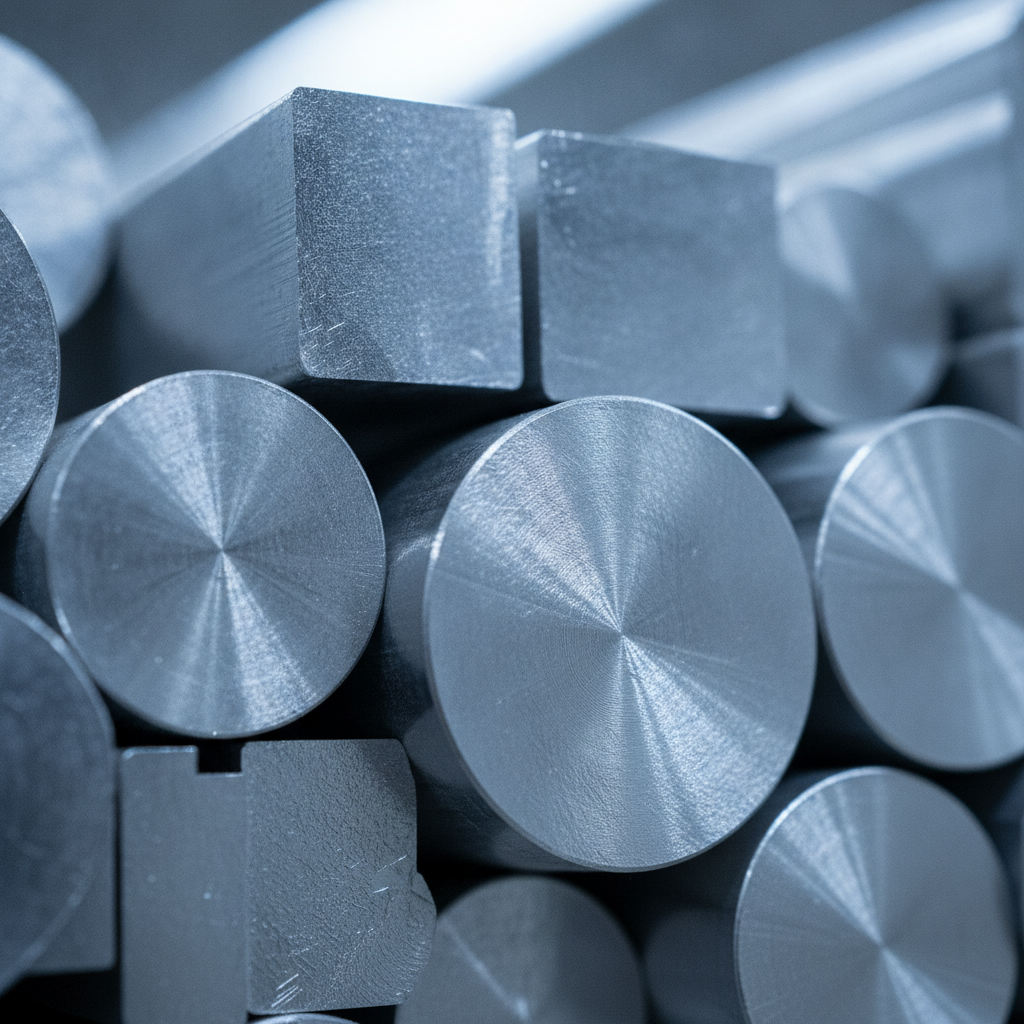
Common scrap aluminum grades include extrusion, sheet, cast, beverage cans (UBC), clean aluminum radiators, foil, and turnings. Identifying each type and removing non-aluminum attachments protects better classifications and speeds up your visit at the yard.
Aluminum shows up in dozens of household and jobsite items. Knowing the common grades makes sorting faster:
- Extrusion: Window/door frames, T-slot rails, ladder sections; typically rigid with uniform profiles.
- Sheet: Flat, thinner panels like siding, ducting, fascia, range hoods.
- Cast: Engine parts, cookware, pump housings—thicker, grainier break surfaces.
- UBC (Cans): Beverage cans; keep them clean and dry for smoother handling.
- Radiators (Clean): Aluminum cores free of steel end tanks or fluid residue.
- Foil: Household foil and thin packaging; bag it to prevent flyaway pieces.
- Turnings: Machining chips and swarf; keep oil and other metals out.
Practical identification tips help first-timers:
- Magnet test: A simple magnet won’t stick to aluminum but will to steel screws and brackets.
- Color and weight: Aluminum is light and dull-silver; heavy items could be cast or another alloy entirely.
- Sound and hardness: Cast aluminum often snaps with a granular break; extrusion bends more predictably.
Bring what you have—even if you’re unsure. Our team at Quick Scrap Metal can confirm grades on-site. If it’s metal, we buy it, and we’ll sort out the details with you.
Best practices to maximize your return
To improve outcomes for aluminum per pound, sort by grade, remove non-aluminum attachments when practical, keep cans dry, and avoid mixing metals. Arrive during less busy windows when possible, and bring a simple tools kit (magnet, pliers, gloves) to fix last-minute issues.
These steps protect your classification and your time.
- Sort before you drive: Separate extrusion, sheet, cast, cans, radiators, foil, and turnings.
- Remove obvious steel: Back out screws and cut off brackets where it’s safe and practical.
- Keep UBC dry and bagged: Moisture adds weight without benefit and complicates handling.
- Bundle sheet and siding: Tie or tape edges to reduce snags and speed unloading.
- Isolate turnings: Drain excess fluids and don’t mix with other metals.
- Bring ID and a checklist: A quick list reduces missed items or mixed loads.
In our Etobicoke yard, tidy, separated loads move faster through scale and inspection. That means less time on-site and a smoother experience, especially during evening rushes or weekends.
Local considerations for Etobicoke
- If you’re coming from errands near Woodbine Mall & Fantasy Fair, keep cans and foil bagged so they don’t shift around while driving.
- Winter prep matters: wipe down wet aluminum siding and keep UBC dry to avoid frozen clumps that slow unloading.
- Contractors finishing jobs near Flagstaff Park: pre-bundle offcuts by grade (sheet vs. extrusion) to shorten your visit during after-work hours.
- Sort: extrusion | sheet | cast | cans | radiators | foil | turnings
- Remove: steel screws, brackets, plastic trims
- Bag: cans (clean/dry) and foil
- Bundle: siding and sheet
- Bring: gloves, magnet, pliers, ID
Tools and resources for sellers
Use simple tools—a magnet, pliers, gloves, and a basic scale—to sort and estimate aluminum per pound at home. For background on aluminum forms and common applications, consult reliable, up-to-date materials and your local yard’s accepted items list before you drive.
We recommend a small kit in your garage or truck:
- Magnet: Quick steel check for screws, brackets, and mixed loads.
- Pliers and hex bits: Remove fasteners from extrusions and gutters.
- Work gloves: Safer handling of sharp sheet and siding edges.
- Bathroom scale: Rough estimates for bagged UBC and foil.
- Contractor bags: Contain cans and foil; reduce spillover at unloading.
For helpful background on aluminum’s forms and uses, see this general overview of aluminum material basics. If you’re comparing product types you might encounter on jobsites, browsing aluminum product categories can help you visualize profiles and sheet forms. Planning a vehicle cleanup that includes auto parts? Reviewing a local vehicle recycling service can clarify what belongs in a scrap car pickup versus a general metal drop-off.
Before you head over, you can also skim our accepted items lists and best practices in related guides on this site (linked throughout this article).
Case studies and real examples
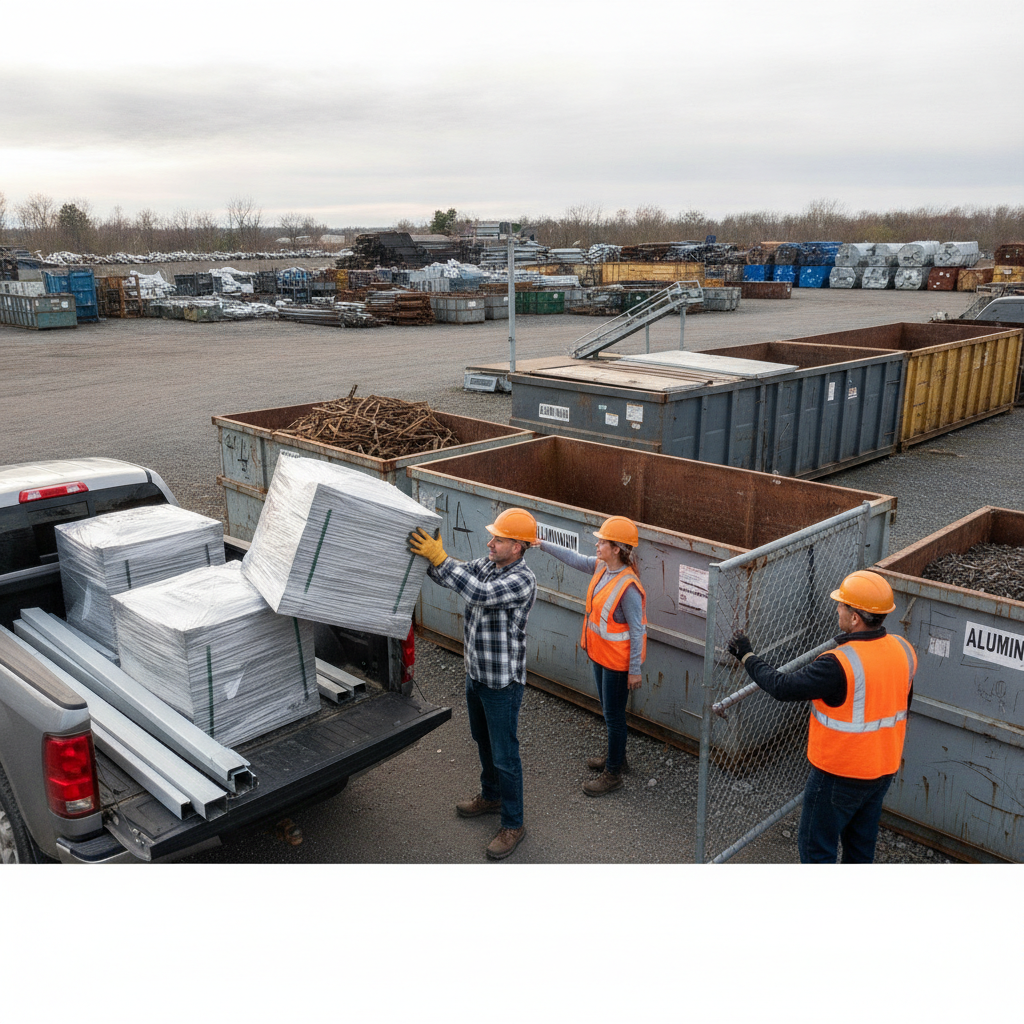
Real-world examples show how prep choices change outcomes. Homeowners with bagged cans, contractors with bundled siding, and shops with clean turnings all move faster through the yard and protect better classifications at the scale.
Homeowner with UBC (beverage cans)
- Scenario: Weekend declutter—cans from a block party and a month of household recycling.
- Prep actions: Rinse lightly, air-dry, bag in contractor sacks, keep separate from steel food cans.
- Result on-site: Smooth scale-in, minimal inspection time, quick payout.
Contractor aluminum siding and gutters
- Scenario: Etobicoke exterior refresh with offcuts from soffit, fascia, and gutters.
- Prep actions: Bundle sheet vs. extrusion separately; remove steel brackets and screws.
- Result on-site: Faster unloading; clearer classification protects better outcomes.
Machine shop aluminum turnings
- Scenario: CNC lathe and mill chips collected over several weeks.
- Prep actions: Drain fluids, keep separate by alloy when practical, avoid mixing with steel chips.
- Result on-site: Cleaner inspection; staff can move chips directly to the correct container.
These are typical Etobicoke use cases we see every week at Quick Scrap Metal. If your scenario doesn’t fit neatly, bring what you have. We’ll help you sort it quickly on arrival.
Aluminum per pound: quick process table
Use this process table as a pre-visit checklist. It covers identification, prep, packing, transport, and on-site actions. Following these steps minimizes re-sorting, speeds up inspection, and supports better outcomes for aluminum per pound transactions.
| Stage | Your action | Pro tip |
|---|---|---|
| Identify | Use magnet and visual cues to confirm aluminum vs. steel. | Extrusion has uniform profiles; cast shows granular breaks. |
| Prep | Remove screws, brackets, plastic trims, and excess dirt. | Focus on obvious, easy-to-remove pieces first. |
| Pack | Bag cans and foil; bundle sheet; isolate turnings. | Label bundles by grade if you’re bringing many types. |
| Transport | Secure loads to prevent mixing or spills. | Keep UBC dry to avoid mess and delays. |
| On-site | Follow lane guidance, scale-in, unload by grade, confirm ticket. | Ask staff to double-check any borderline items. |
Keep this handy. With these steps, your visit becomes simple and predictable.
Need a fast aluminum drop-off in Etobicoke?
Quick Scrap Metal makes aluminum drop-offs easy: extended weekday hours, open Sundays, wide acceptance, and immediate on-the-spot payment for qualifying loads. Bring your sorted aluminum, and we’ll handle the rest—fast, friendly, and responsible.
We’re a convenient one-stop for aluminum, other metals, appliances, and e-waste. Contractors and homeowners use us because we keep things simple: clear lanes, fast scales, and helpful staff. If you’re cleaning up after a project or clearing a garage, swing by and we’ll get you in and out quickly.
Plan your trip and brush up on accepted items in our Etobicoke scrap metal guide. If you’re bringing only aluminum, these resources help too: our aluminum scrap guide and our practical list on aluminum disposal.
Frequently asked questions
These concise answers cover the questions we hear most about aluminum per pound in Etobicoke—sorting, prep, drop-off timing, and what to do if your load mixes metals. Each answer is direct so you can act immediately.
What does “aluminum per pound” include?
It’s the yard’s weight-based valuation of your aluminum items, adjusted for grade and cleanliness. Common categories include extrusion, sheet, cast, cans, clean radiators, foil, and turnings. Sorting and removing steel fasteners help protect better classifications.
Do I need to remove every screw and bracket?
Focus on easy, obvious removals that you can do safely with basic tools. If something is riveted or would take excessive time, bring it as-is. We’ll inspect on-site and advise whether further separation makes sense.
Can I bring aluminum with other metals and e-waste?
Yes. Quick Scrap Metal is a one-stop drop-off. Keep aluminum separate from steel, copper, and appliances when possible, but bring everything in one trip. We buy metals and responsibly recycle appliances and electronics.
When is the best time to drop off?
Mid-morning or mid-afternoon on weekdays often moves faster. Evenings and Sundays are available for convenience, and we work quickly then too. If you’re unsure, call ahead to ask about current traffic in the yard.
What if my load includes aluminum turnings with oil?
Drain excess fluids and avoid mixing turnings with other metals. Keep chips in dedicated containers or sturdy bags. On arrival, let our team know what you have so we can direct you to the correct unloading area.
Conclusion and next steps
Aluminum per pound rewards smart sorting, clean prep, and simple tools. When you separate grades and remove obvious attachments, you streamline yard steps and support better classifications. Bring your aluminum to Quick Scrap Metal in Etobicoke for fast, friendly, responsible recycling.
- Key takeaways: Sort by grade, remove easy steel, bag cans/foil, bundle sheet, and isolate turnings.
- Bring: Magnet, pliers, gloves, ID, and a short checklist.
- Plan: Use mid-day windows if you want extra speed; evenings and Sundays are available, too.
- Act: Review our in-depth resources before you drive.
For deeper dives, check our practical guides: improve outcomes with aluminum scrap value tips, compare streams in metal per-pound insights, or skim the aluminium updates for day-to-day context. When you’re ready, drop off your load—we’ll take care of the rest.