
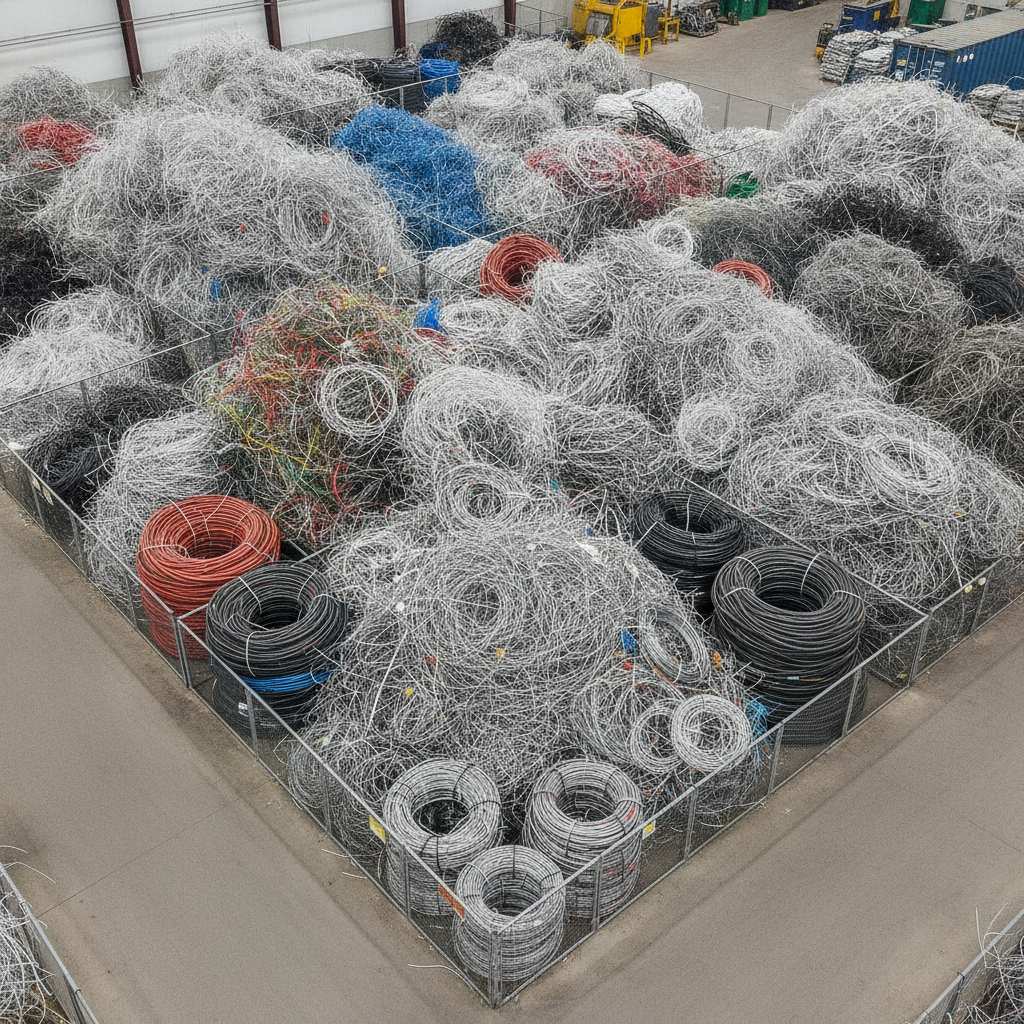
Aluminum wire scrap price is the rate recyclers pay for aluminum electrical or service wire based on grade, cleanliness, insulation percentage, and market trends. In Etobicoke, organized, dry, and accurately identified wire commands stronger grades. Bring sorted coils to a reputable local yard to get fast grading, clear explanations, and same-day payouts.
By Preet Dass • Last updated: June 25, 2026
Above-Fold Section
To earn a fair aluminum wire scrap price in 2026, control what you can: sort by type, keep it clean and dry, and remove obvious hardware. Recyclers grade on recoverable aluminum after insulation and contamination. Clean, labeled coils move faster at the scale and typically qualify for stronger grades.
Here’s the fast-track version. You’ll learn exactly how wire is identified, what actually impacts payouts, and how simple preparation steps help your load finish faster and grade higher—without spending hours stripping everything by hand.
- Understand real grading inputs: insulation percentage, alloy, contamination
- See how market signals translate into yard payouts
- Use checklists contractors rely on to avoid downgrades
- Plan your Etobicoke drop-off around extended hours for speed
Quick Summary
Aluminum wire scrap price depends on what’s inside the jacket and how organized your load is. Identify AAC/AAAC vs. ACSR, keep wire dry, remove fittings, and separate by gauge. You can’t change markets, but you can boost grade with smart prep that yards in Etobicoke reward.
If you also have appliances, electronics, or mixed metal, one-stop yards simplify the day. Quick Scrap Metal’s “If it’s metal, we buy it!” approach lets homeowners and contractors clear jobsites and garages in a single trip—reducing time and risk of co-mingling materials.
What Is Aluminum Wire Scrap?
Aluminum wire scrap is end-of-life or surplus aluminum wiring recovered from renovations, utility work, and automotive/electrical projects. It includes insulated building wire, service drops, armored cable, and mixed cords. Buyers sort by type, estimate net aluminum after insulation, and ship clean grades for remelting.
In our Etobicoke yard, we routinely see:
- Insulated building wire (THHN/THWN): One conductor with a PVC jacket; consistent recovery when coiled by gauge.
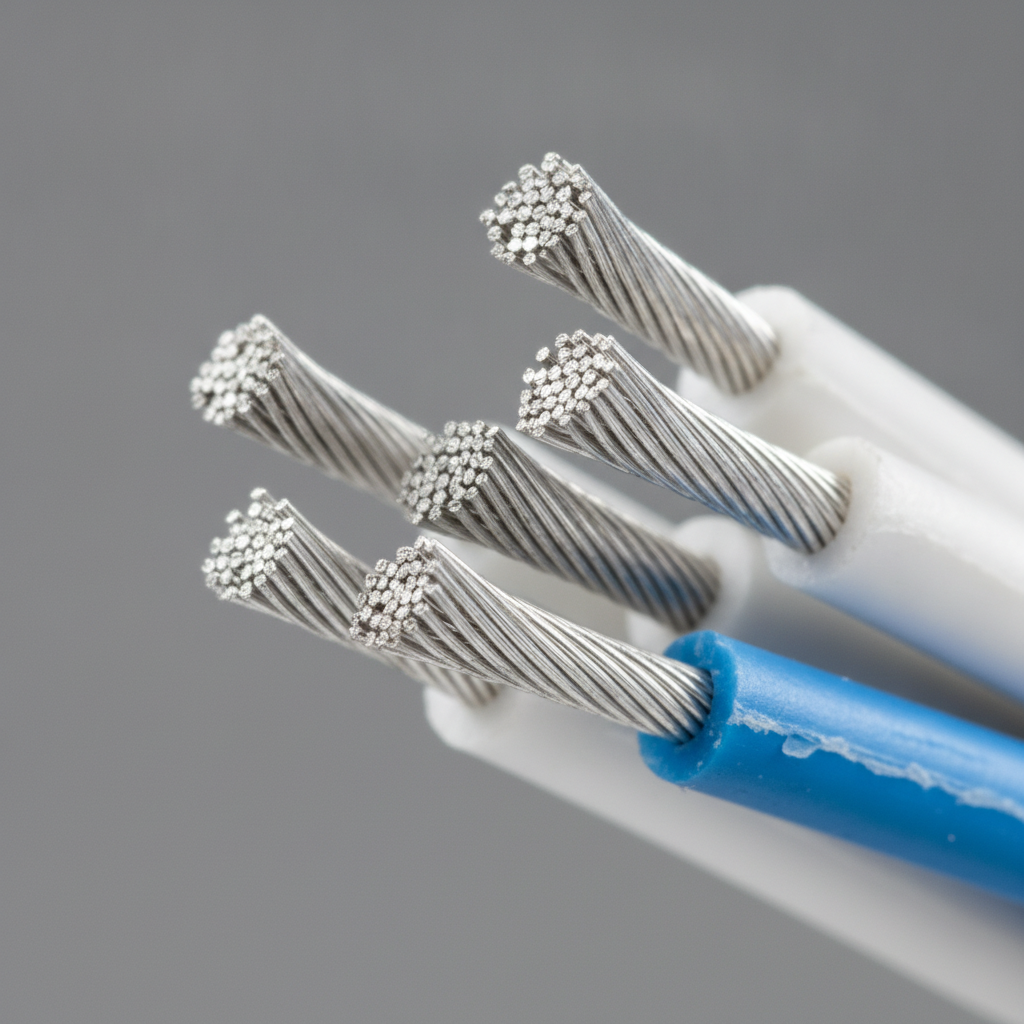
- Service drop (AAC/AAAC): All-aluminum strands; don’t mix with steel-reinforced ACSR.
- ACSR (steel core): Aluminum around a steel core; grades differently due to the non-aluminum content.
- Aluminum armored cable (MC/AC): Aluminum sheath plus internal conductors; improve outcomes by removing fittings.
- Mixed cords: Keep separate from e-waste to speed grading and prevent downgrades.
Why it matters: aluminum remelting avoids the heavy footprint of primary smelting. Organized wire increases net recovery, which is what pricing rewards. In our experience, even modest sorting can shorten scale time by several minutes per load and reduce re-weighs.
Why the Aluminum Wire Scrap Price Matters
The aluminum wire scrap price influences whether stripping is worth it, how you schedule site cleanups, and if mixed loads should be separated. A fair price paired with fast grading can turn a disposal line item into a material recovery credit with same-day cash flow.
For the people we serve in Etobicoke and the GTA, this isn’t abstract:
- Homeowners: Clear garages and basements responsibly. One stop for wire, appliances, and old tools simplifies a Saturday project.
- Trades and small contractors: Weekly runs add up. Transparent grading helps plan crews and predict returns.
- Local businesses: Drop mixed metals and electronics in one trip to reduce downtime and vehicle miles.
The reality is simple: you can’t control markets, but you can control prep and timing. Clean, dry, labeled coils reduce risk at the scale, which supports better grading decisions.
How Aluminum Wire Scrap Pricing Works
Recyclers set aluminum wire payouts using commodity benchmarks, expected metal recovery after insulation, and yard risk. Clean, sorted wire earns stronger grades; mixed, wet, or contaminated loads are downgraded to reflect lower recoverable aluminum and added handling time.
What most people don’t realize: grading focuses on net aluminum. Insulation, steel cores, and hardware reduce yield. The process usually follows a consistent flow:
- Identify the wire type: Building wire, AAC/AAAC, ACSR, armored cable, or mixed cords.
- Screen for contaminants: Steel armor or core, fittings, tape, dirt, and moisture.
- Estimate recovery: Visual check or sample chop to gauge insulation percentage.
- Weigh and grade: Gross weight, then deductions for non-metal components by grade.
- Set payout: Yard aligns with market conditions and processing risk.
| Wire category | Typical features | Common issues | Prep tips that help |
|---|---|---|---|
| Clean insulated building wire | Single Al conductor, PVC jacket | Tape residue, mixed gauges | Sort by gauge; remove tape; coil neatly |
| Service drop (AAC/AAAC) | All-aluminum strands | Mixed with ACSR by mistake | Confirm no steel core; keep dry |
| ACSR (steel core) | Aluminum around steel | Misidentified as all-aluminum | Separate from AAC/AAAC; disclose steel core |
| Armored cable (MC/AC) | Aluminum sheath + conductors | Fittings, screws, debris | Remove fittings; cut to manageable lengths |
| Mixed household cords | Various conductors and plastics | Copper/Al mix, adapters | Separate cords from e-waste; bundle with ties |
In our experience, keeping ACSR separate from AAC/AAAC prevents the most common misgrade. Even a small percentage of steel core in a coil can change the recovery math meaningfully.
Aluminum Wire Scrap Price Factors in Etobicoke (2026)
Your aluminum wire scrap price reflects commodity climate, alloy, insulation percentage, cleanliness, and volume. Clean, dry, well-sorted wire with removed fittings typically qualifies for stronger grades, while mixed cords, steel-core ACSR, moisture, and debris trigger downgrades.
Think in layers: global markets, local operations, and your specific load. You can influence only the last layer, but that’s where a lot of value lives.
- Commodity climate: Market movements guide yard risk models and payout windows.
- Yield reality: Insulation percentage directly affects net aluminum recovered.
- Contamination risk: Steel, dirt, wet material, and embedded hardware reduce grade.
- Operational efficiency: Labeled, separated coils move faster through intake and grading.
Contractors in Etobicoke often stage totes by type and gauge. That simple habit reduces scale time and limits re-sorting on site, which helps keep grades consistent from week to week.
Types of Aluminum Wire & Preparation Methods
The fastest path to a fair aluminum wire scrap price is sorting by type and prepping for yield. Identify AAC/AAAC vs. ACSR, separate armored cable, and keep building wire by gauge. Remove obvious hardware and keep loads dry to avoid unnecessary downgrades at the scale.
Common types you’ll encounter
- AAC/AAAC (all-aluminum): Good recovery; avoid mixing with ACSR.
- ACSR (aluminum, steel-reinforced): Grades differently due to the steel core.
- Aluminum building wire (THHN/THWN): Consistent results when coiled by gauge and kept clean.
- Aluminum armored cable (MC/AC): Remove fittings and cut to manageable lengths for easier handling.
- Mixed cords: Keep separate from e-waste devices to streamline grading.
Preparation methods that help
- Label and sort: Use bins for AAC, ACSR, MC/AC, and building wire; painter’s tape labels work well.
- Trim hardware: Cut off lugs, fittings, and visible connectors to improve recovery.
- Coil neatly: Reduces tangles and improves weigh accuracy.
- Keep it dry: Moisture adds weight without value and can prompt downgrades.
- Selective stripping: Strip only thick-jacketed pieces where time-for-yield clearly pencils out.
For a deeper dive on aluminum categories and how they’re valued, compare guidance in our aluminum scrap value guide and the broader market view in aluminium scrap price today. If you work with copper too, our copper wire scrap guide explains parallel grading logic.
Best Practices to Maximize Your Payout
Maximize your aluminum wire scrap price by controlling what you can: sorting, cleanliness, and accurate ID. Simple prep reduces downgrades and speeds your visit, which many buyers reward with stronger grades for clean, efficient loads.
- Use separate containers for AAC/AAAC, ACSR, MC/AC, and building wire.
- Cut away connectors, tape, and debris before you arrive.
- Bundle coils by gauge; label bins for faster grading.
- Store wire indoors before drop-off to avoid moisture.
- Group short offcuts so they aren’t lost in the bin.
- Bring mixed e-waste separately to streamline intake.
Want a broader perspective on non-ferrous? Our scrap aluminum per pound guide covers common alloys and forms, and this insulated copper wire guide maps directly to aluminum prep habits.
Local considerations for Etobicoke
- Plan weekend runs around traffic near Woodbine Mall & Fantasy Fair; our yard is open Sundays to help you avoid weekday rush hours.
- During wet spring thaws, cover and keep wire dry; moisture can trigger downgrades even when the metal is clean.
- Crews staging near Flagstaff Park should dedicate labeled bins so ACSR doesn’t get mixed with AAC/AAAC.
Tools, Safety & Resources
The right tools make prep safer and faster: heavy-duty cutters, utility knives, and PPE at minimum. For volume, a powered stripper or chop saw (with guards) speeds processing. Combine clear sorting with a reputable Etobicoke yard for smooth, same-day transactions.
- Hand tools: Lineman’s pliers, heavy cutters, utility knives with fresh blades.
- Power tools: Benchtop wire strippers for thick jackets; chop saws for armored cable (observe safety).
- PPE: Cut-resistant gloves, eye protection, hearing protection.
- Sorting gear: Stackable bins, zip ties, painter’s tape for labels.
- Transport: Pallets and shrink wrap for larger contractor loads; straps for pickup beds.
For alloy context used in fabrication and field work, review aluminum filler families like 4043 and 5356 in these reference catalogs: aluminum welding consumables, ER4043 filler overview, and industrial materials logistics. While not pricing sources, they help with correct ID and safe prep decisions.
Mini Case Studies: What Good Prep Delivers
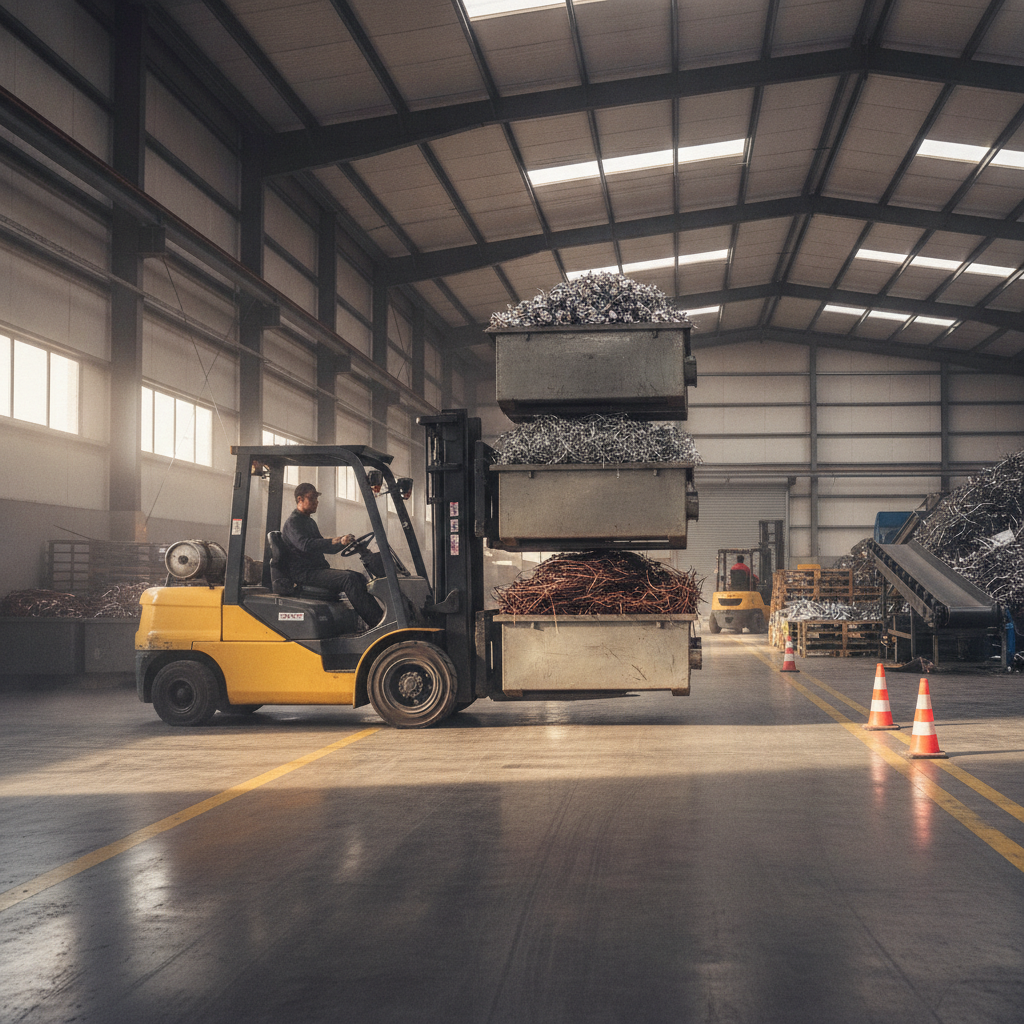
Clean sorting converts time into better grades without hours of stripping. These short, real-world snapshots from Etobicoke show how simple habits improve outcomes and keep turnaround fast—often under 15 minutes at the scale for organized loads.
- Home renovation cleanup: A homeowner coiled building wire by gauge and removed fittings. The load graded quickly with no re-sorting and a smooth same-day payout.
- Electrical contractor offcuts: A small crew separated AAC from ACSR, cut MC to 3-foot lengths, and labeled totes. Grading was straightforward with zero contamination downgrades.
- Garage clear-out: Bundled cords were kept separate from e-waste. Appliances and old tools went in the same trip, turning clutter into value and saving another drive.
For more metals context, see our broader aluminum scrap value guide and the copper side in scrap copper prices.
Frequently Asked Questions
These concise answers explain how to prep, sort, and sell aluminum wire in Etobicoke. They clarify stripping decisions, load size considerations, and how we handle mixed materials alongside extended hours.
Should I strip aluminum wire before selling?
Strip only when insulation is thick and the conductor is easy to access. For thin jackets or mixed gauges, sorting by type and keeping loads clean typically beats hours of hand stripping.
Can I bring mixed loads with appliances and e-waste?
Yes. We accept metals, appliances, and electronics. Keep aluminum wire separate from e-waste to speed grading, and remove adapters or devices from cords.
What downgrades aluminum wire at the yard?
Common issues are moisture, steel cores in ACSR mixed with all-aluminum wire, hardware and fittings, dirt or tape, and tangled coils. Sort, keep it dry, and trim hardware to avoid downgrades.
Do you buy aluminum wire from homeowners and contractors?
Yes. We buy from residents, trades, and local businesses across Etobicoke and the GTA. Bring a valid ID and sorted material for the fastest visit and a smooth transaction.
Conclusion & Next Steps
You can’t control markets, but you can control prep. Sort wire by type, keep it dry, and remove obvious hardware. That’s how you earn a fair aluminum wire scrap price while saving time at the yard—and why organized loads typically finish faster with stronger grades.
- Key takeaways: Sort by type, keep it clean and dry, label coils, and separate e-waste.
- Action steps: Stage bins, plan a run during extended hours, and bring ID for a smooth transaction.
- Where to go: Choose a reputable Etobicoke yard known for transparent grading and same-day payouts.
Need a deeper dive on related metals? Compare aluminum with copper using our copper cable scrap guide and the broader pricing view in copper wire recycling guidance.