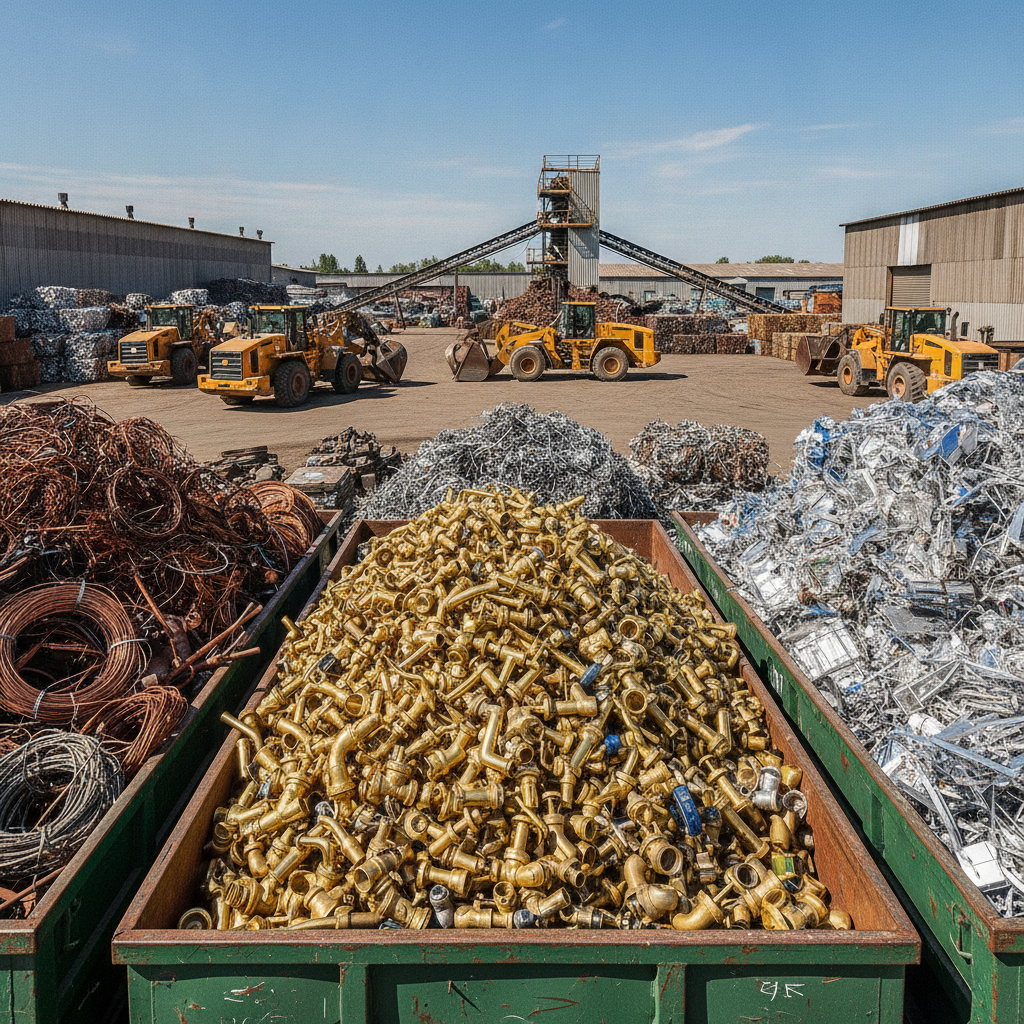
Brass value is the worth of brass scrap based on metal content, cleanliness, and current market conditions. It reflects how recyclers grade your items and what refiners pay for copper-and-zinc alloys. In Etobicoke, you can raise brass value by sorting, cleaning, and choosing a buyer that rewards proper preparation.
By Preet Dass — Quick Scrap Metal
Last updated: June 23, 2026
Overview and Table of Contents
This complete guide explains what determines brass value, how to sort and prepare brass for maximum payout, and where Etobicoke sellers can drop off materials responsibly. You’ll learn grading basics, practical tools, local tips, and real examples from Quick Scrap Metal’s day-to-day operations.
Brass is one of the most traded non-ferrous alloys at local scrap yards. If you organize it well, you convert clutter into a meaningful return and keep metals in circulation. Here’s how this guide is structured for quick scanning.
- What brass value means and how it’s calculated
- Why brass value matters for homeowners, trades, and businesses
- How grading, cleanliness, and mixed loads change outcomes
- Types of brass: yellow, red, mixed, contaminated, and specialty
- Best practices to prep, sort, and bundle brass
- Tools and resources that make drop-off faster
- Etobicoke-specific tips and examples from our yard
- Actionable FAQs and next steps
What Is Brass Value?
Brass value is the trade-in worth of brass scrap at a recycler, driven by alloy type, copper content, cleanliness, weight, and real-time market demand. Higher-grade, well-sorted brass typically earns stronger payouts because it reduces downstream processing and contamination.
Brass is primarily copper and zinc, sometimes with small amounts of lead or tin. Because copper drives much of the underlying worth, items with higher copper content often command better returns. That’s why “yellow brass” (common plumbing fixtures) is separated from “red brass” (high copper content, often heavier fittings).
- Alloy type: Yellow, red, naval, or specialty grades behave differently at smelters.
- Cleanliness: Paint, rubber, steel screws, and plastic inserts reduce net value.
- Form factor: Solid valves and fittings usually beat thin, flimsy offcuts.
- Weight: Accurate scale readings matter; bundle small parts to avoid loss.
- Market timing: Supply-demand cycles influence trade conditions throughout the year.
At Quick Scrap Metal, we see repeat patterns: sorted, decontaminated brass goes smoother through intake and gets assessed efficiently. That translates into a more predictable, favorable experience for sellers who put in a few minutes of prep.
Why Brass Value Matters
Understanding brass value helps you make smarter decisions about sorting, timing, and where to drop off. When you prepare brass correctly, you minimize downgrades, speed up service, and support responsible recycling that keeps metals in circulation longer.
Why does this matter to you? Because a few simple choices—like removing steel screws and separating yellow from red brass—can noticeably change your net outcome. For busy homeowners and tradespeople, that’s time saved and a smoother yard visit.
- For homeowners: Faucets, door hardware, and hose nozzles add up fast when organized.
- For trades: Plumbing offcuts and changeouts pile up; sorted drums keep jobsites tidy.
- For businesses: Regular bin swaps streamline shop floors and simplify month-end cleanouts.
- Environmental upside: Recycling brass reduces the need for new mining and processing.
Quick Scrap Metal’s “If it’s metal, we buy it!” policy means you can bring brass alongside aluminum, copper, stainless, and e-waste in one trip. That convenience is why many Etobicoke residents make us their first stop for mixed non-ferrous loads.
How Brass Value Works
Brass value works through intake grading, contamination checks, and weight verification. Yards pay more for clean, single-grade loads because they move efficiently to processors. Mixed or dirty loads require extra labor to sort and decontaminate, often lowering the assessed value.
Here’s the typical journey of a brass item through a yard:
- Arrival: You drop off boxes, buckets, or bins. Staff direct you to the non-ferrous area.
- Visual grade: A quick look for alloy type, paint, attachments, or plastic inserts.
- Magnet test: Confirms ferrous attachments that need removal.
- Weighing: Accurate scale readings with tare for containers.
- Adjustment: If items are mixed or contaminated, they’re graded conservatively as a “lower” category.
- Ticket and payout: You receive your ticket and fast, on-the-spot payment in line with yard policy.
We emphasize transparency at intake so you know why a load falls into a particular grade. Clear categories also accelerate your future visits because you learn what to separate and how to bundle it.
Types and Grades of Brass (and What They Mean)
Common brass categories include yellow brass (plumbing fixtures), red brass (higher copper content), mixed brass, and contaminated brass. Clear separation and removal of steel, rubber, and plastic attachments help avoid downgrades and protect your brass value at the scale.
In practice, these are the groups that show up most often at our Etobicoke yard:
- Yellow brass: Faucets, hose bibbs, small valves, and many door handles.
- Red brass: Heavier valves and fittings with higher copper content.
- Mixed brass: A blend of yellow/red and unknowns; used when items are not clearly sorted.
- Contaminated brass: Brass with steel screws, rubber seats, plastic cartridges, or paint.
- Specialty brass/bronze: Marine-grade or bronze pieces, often denser and more copper-rich.
| Category | Key Features | Common Sources | Prep Tips |
|---|---|---|---|
| Yellow Brass | Golden color, common in plumbing | Faucets, hose bibbs, fittings | Remove cartridges, rubber, and screws |
| Red Brass | Reddish hue, heavier, copper-rich | Valve bodies, industrial fittings | Keep separate from yellow brass |
| Mixed Brass | Blend of yellow/red, unknowns | Assorted jobsite cleanouts | Sort when time allows to avoid downgrades |
| Contaminated | Paint, steel, rubber, plastic | Coated fixtures, attached hardware | Remove contaminants to reclaim value |
| Specialty/Bronze | Dense, copper-forward alloys | Marine/industrial parts | Identify separately; ask staff for guidance |
When in doubt, ask at intake. A two-minute conversation can prevent a whole bin from being graded as mixed. For deeper sorting tips, see our in-depth brass scrap value tips.
Best Practices to Maximize Brass Value
Maximize brass value by separating yellow from red brass, removing steel and rubber, keeping brass free of excessive paint, and packaging parts in clear, labeled containers. Clean, single-grade loads move through intake faster and usually receive more favorable assessments.
In our experience, four habits make the biggest difference for Etobicoke sellers:
- Sort by alloy: Keep yellow and red brass in different containers.
- Decontaminate: Remove screws, cartridges, hoses, rubber seals, and obvious coatings.
- Bundle smalls: Bag or box tiny parts so nothing gets lost on the scale.
- Label bins: “Yellow Brass – Clean” or “Red Brass – Clean” speeds up intake.
Action steps you can take today:
- Grab a small magnet, two sturdy buckets, and a hand tool kit.
- Do a quick magnet pass; anything that sticks is likely steel—remove it.
- Strip rubber/plastic where practical; keep safety in mind for sharp edges.
- Pack brass by category, then load for drop-off.

Want broader context on non-ferrous preparation across metals? Our scrap metal values guide walks through common pitfalls and how to avoid downgrades on mixed loads.
Local considerations for Etobicoke
- Plan weekend drop-offs around family activities near Woodbine Mall & Fantasy Fair; our extended hours make it easy to swing by before or after.
- During spring plumbing projects, set a dedicated “brass bin” so fittings from changeouts don’t mix with steel hardware.
- If you’re organizing a community clean-up near Flagstaff Park, coordinate brass, aluminum, and e-waste into separate totes for a faster yard visit.
Tools and Resources for Faster Drop-Offs
Simple tools—magnet, hand tools, gloves, and stackable bins—speed up sorting and protect brass value. A bathroom scale helps estimate weight, while clear labels and photos on your phone make intake quick and transparent at the non-ferrous station.
Here’s a compact kit that works for homeowners and trades alike:
- Magnet: Quick steel check on screws, clips, and springs.
- Hand tools: Multi-bit screwdriver, adjustable wrench, and utility knife.
- Safety gear: Cut-resistant gloves and eye protection for stripping components.
- Bins and bags: Stackable totes for yellow vs. red brass; small zip bags for tiny parts.
- Scale: Optional home estimate so you can plan your trip volume.
We also help first-timers. If you show up with a mixed tote, our team can point out quick wins for better separation on your next visit. For metal-specific nuances, the non-ferrous overview in our steel value guide and our iron value guide show how grading principles apply across categories.
How Brass Fits Into Your Mixed Load
Treat brass as its own stream in a mixed load. Keep it separate from copper, aluminum, and stainless, and avoid tossing brass into ferrous bins. Dedicated totes preserve brass value and prevent accidental downgrades at intake.
At Quick Scrap Metal, many visitors bring brass alongside copper wire, aluminum siding, and small appliances. We welcome mixed loads, but separation is your friend. When brass rides in a labeled tote, your intake and assessment are both faster.
- Separate streams: Brass, copper, aluminum, stainless, and ferrous each in their own bins.
- Keep e-waste distinct: Electronics have their own recycling process; don’t mix with brass.
- Appliance parts: Remove obvious brass pieces (like some valves) and place them in your brass tote.
For mixed non-ferrous basics and yard flow, our page on scrap metal recycling in Etobicoke covers what to expect on busy days and how to get in and out quickly.
Case Studies and Examples from Etobicoke
Real-world examples show how small prep steps protect brass value. In Etobicoke, homeowners and trades who separate yellow and red brass, remove obvious steel, and keep parts dry see faster intake and more consistent assessments at the scale.
Homeowner faucet swap (weekend project): A resident brought two boxes: one for yellow brass faucets and handles; one for red brass valve bodies. With steel screws removed, the intake was under five minutes and the assessment was straightforward.
- What worked: Clear separation, no mixed e-waste, and bagged small parts.
- Tip: Keep a driver bit set handy when disassembling old fixtures.
Plumbing contractor cleanup (monthly): A small crew saved parts from changeouts in labeled 5-gallon pails: “Yellow Brass,” “Red Brass,” and “Contaminated—To Clean Later.” Intake was fast; the pre-labeled pails reduced back-and-forth.
- What worked: Pail labels and a quick magnet pass at the shop.
- Tip: Schedule the yard run after final jobsite clean-up on Fridays.
Property manager turnover (seasonal): During unit renovations, door hardware, hinges, and faucets were sorted weekly. Brass stayed dry in totes, avoiding mud and moisture that complicate visual grading.
- What worked: Dry storage and totes designated per alloy.
- Tip: Snap photos of bins before you load—handy for quick intake discussions.

Responsible Recycling and the Bigger Picture
Brass recycling supports circular manufacturing by reusing copper and zinc. Keeping metals in circulation reduces waste and extends material life. Bringing brass, electronics, and appliances to a single yard visit streamlines your effort and supports community sustainability.
We encourage customers to pair brass drop-offs with other materials to minimize trips. If you’re handling a full clear-out—fixtures, small appliances, and electronics—planning a single run helps keep your schedule tight and your garage clear.
For related end-of-life considerations around vehicles and parts logistics within Ontario, see these regional resources on vehicle recycling options and their service overview. Within our extended network, industry content like this steel materials overview can help new recyclers think broadly about metal composition and sorting across categories.
Frequently Asked Questions
These quick answers address common brass value questions from Etobicoke sellers. Each response is concise and practical so you can act right away, whether you’re a first-time dropper or a seasoned trade pro.
What is the fastest way to improve my brass value?
Separate yellow from red brass and remove obvious steel, rubber, and plastic. Keep parts dry and package small items in clear bags. Labeled totes speed intake and reduce the chance of a mixed-grade assessment.
How should I tell yellow brass from red brass?
Yellow brass looks golden and is common in faucets and hose bibbs. Red brass has a reddish hue and is often heavier, found in valve bodies and some industrial fittings. Keep them in separate containers to avoid downgrades.
Can I bring brass with electronics and appliances in one trip?
Yes. Quick Scrap Metal accepts metals, appliances, and electronics. Keep each stream in separate bins—brass, copper, aluminum, stainless, e-waste—so intake is quick and assessments are accurate.
Do painted or coated brass items reduce my payout?
Often, yes. Heavy paint, rubber seats, plastic cartridges, and attached steel hardware increase processing effort and may lead to a lower grade. Removing contaminants where practical helps protect value.
Conclusion and Next Steps
Protect your brass value by sorting yellow and red brass, removing contaminants, and keeping items dry and labeled. Dedicated totes speed intake, reduce downgrades, and deliver a smoother visit—especially when you bundle brass with other recyclables.
- Key takeaways: Sort by alloy, decontaminate, bundle smalls, and label bins.
- Bring it all: Metals, appliances, and e-waste are welcome in one organized trip.
- Ask questions: Our team will point out fast wins for your next visit.
Ready to turn brass into a cleaner space? Drop by Quick Scrap Metal in Etobicoke for EASY | FAST | CONVENIENT service. First timer? Ask us to review your bins so you’re set up for next time.
Explore More on Scrap Metals
Deepen your understanding by exploring how value and grading work across other metals. Seeing brass in context helps you organize mixed loads and plan efficient, single-stop drop-offs in Etobicoke.
For practical, step-by-step guidance across categories, check out our internal resources on steel value, the broader scrap values guide, and local recycling in Etobicoke. If you’re handling heavier cleanouts, our iron intake tips and focused brass prep checklist will shorten your next yard visit.