
Last updated: October 2026
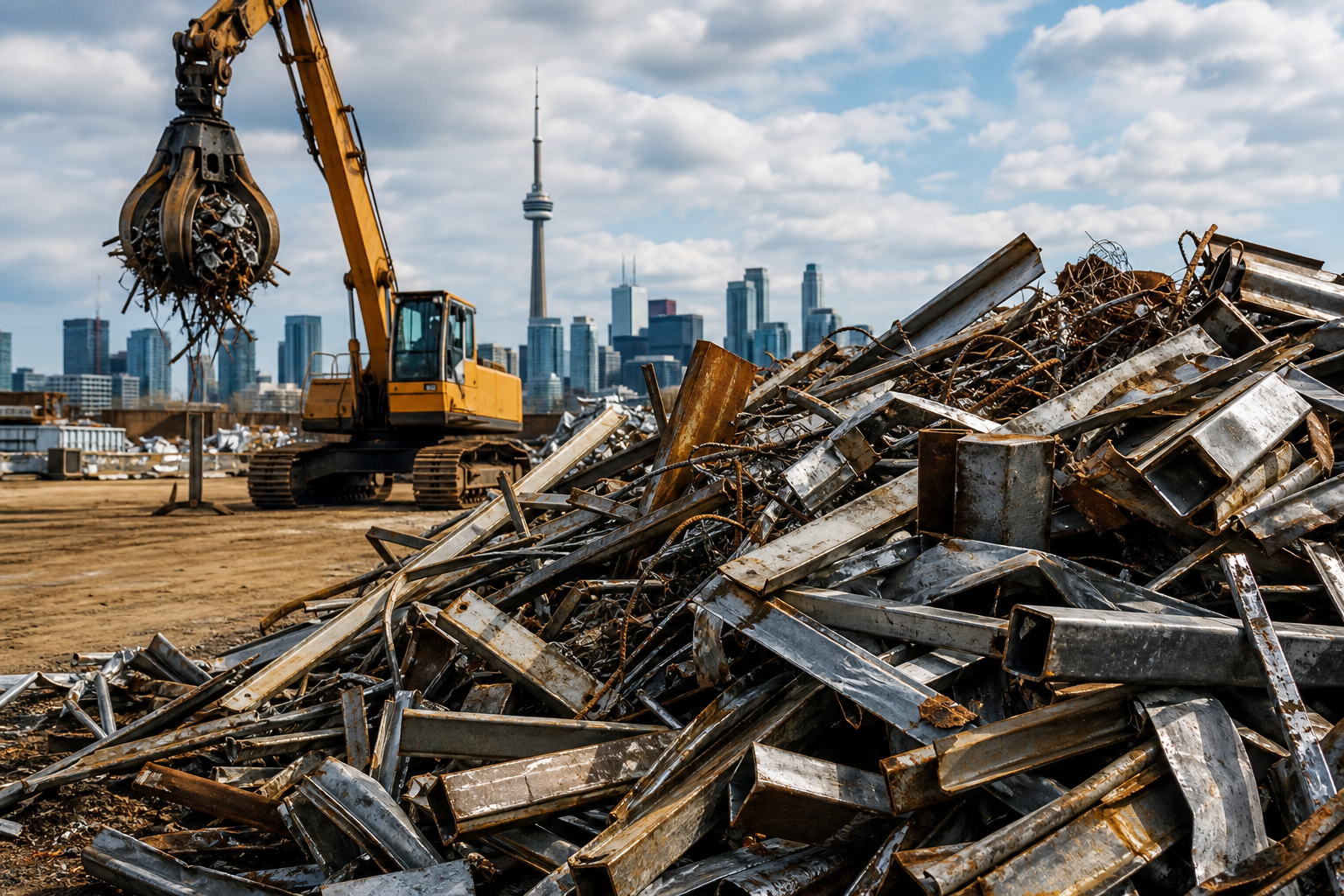
Scrap steel is not bought at one fixed Toronto-wide price. A yard evaluates what you bring, assigns it to a category, weighs the saleable material, and applies the rate available that day. The same truck can therefore produce different payouts depending on whether it contains clean structural steel, mixed light iron, cast pieces, or material with attached debris.
This guide explains how scrap steel prices in Toronto are formed, which grades commonly affect the ticket, how pricing units work, and what you can do before visiting a yard. It is useful for homeowners clearing a garage, contractors handling demolition offcuts, businesses removing equipment, and anyone comparing options before contacting Quick Scrap Metal in Etobicoke.
What sets scrap steel prices in Toronto?
Yards buy steel because it can be processed and sold into downstream markets. Their purchase rate has to account for the value of the grade as well as sorting, cutting, handling, transportation, and market risk. That is why a posted figure or phone estimate is an indication rather than a guaranteed payout until the load is inspected and weighed.
Mill demand and market buying
Ferrous prices respond to demand from mills, foundries, brokers, and export channels. When buyers are actively seeking a particular grade, yards may have more room to pay for it. When demand weakens or supply increases, buying rates can soften.
Toronto-area prices also reflect broader Canadian and international steel markets. Published benchmarks may be quoted in Canadian dollars per short ton, while smaller loads are often discussed in dollars per pound. These figures help with planning, but they are not a substitute for a same-day quote because each yard sets its own spread and acceptance rules.
Grade, density, and processing cost
Clean, dense steel is usually more efficient to handle and transport than a bulky pile containing dirt, plastic, wood, or other metals. A yard may therefore value prepared heavy sections differently from light sheet steel or mixed shred. Cutting, shearing, sorting, and disposal of unwanted material all affect the net value of a load.
For sellers, the practical rule is simple: market conditions determine the ceiling, while grade and preparation influence where your material lands within the available categories.
Which steel grades affect scrap prices?
Names and specifications vary between buyers, so ask the yard how it defines each category. Separating likely grades before loading still helps you describe the material accurately and reduces the chance that valuable pieces are hidden in a mixed pile.
Heavy melt and plate and structural steel
Heavy Melt Steel, often called HMS, generally includes substantial steel sections, plate, beams, and heavy machinery components that meet the buyer’s size and thickness rules. Plate and Structural, or P&S, may be treated as a separate category where the pieces are clean, dense, and prepared to specification.
These categories can be more valuable than light mixed iron when the material is suitable for efficient processing. Oversized sections, attached concrete, excessive dirt, or non-metal fittings may prevent a piece from qualifying for the intended grade.
Shreddable steel, light iron, and cast iron
Thin sheet, fencing, appliances, and other lighter steel may be purchased as shreddable or unprepared steel. Its density, composition, and processing requirements differ from heavy structural material. Appliances can also contain copper, aluminum, plastics, insulation, fluids, or sealed components, so ask what must be removed before delivery.
Cast iron, including some rotors and engine components, is often sorted separately. Stainless steel is also not the same as ordinary carbon steel: it belongs to a different alloy category and should be kept apart when practical. Mixing stainless, aluminum, copper, cast iron, and mild steel can cause a lower blended classification.
How do Toronto yards weigh and grade steel?
The exact process depends on the facility and load size, but most transactions follow the same basic sequence. Knowing these steps makes it easier to prepare your material and understand the final ticket.
- Pre-arrival discussion: Describe the material, approximate quantity, dimensions, and any attached components. Ask whether restricted items need to be removed.
- Inspection: Staff look for mixed metals, contamination, fluids, pressurized containers, unsafe items, and pieces that exceed the dimensions for a category.
- Weighing: A truck may be weighed before and after unloading, with the difference producing the net weight. Smaller loads may use another suitable scale.
- Classification: The yard confirms the grade after examining the material. The presence of non-metal weight or mixed categories can affect the classification.
- Ticket and payment: The transaction records the applicable category and weight. Quick Scrap Metal states that it pays cash on the spot, subject to its current buying process and accepted-material requirements.
Bring identification or other information only if the yard requests it, and confirm acceptance for unusual items before loading. A quick call can prevent a wasted trip, especially when a load includes tanks, sealed equipment, appliances, or large machinery.
How are scrap steel prices quoted?
Small loads are commonly discussed using a price per pound, while larger market and mill references may use a price per short ton. Do not compare two numbers until you confirm that they use the same unit, grade, currency, and condition. A rate for prepared structural steel is not directly comparable with a rate for mixed light iron.
Rates can change as mill buying programs, export demand, transportation costs, and local supply change. Seasonal construction and demolition activity may also alter the amount of material entering yards. There is no reliable rule that guarantees a particular day will produce the highest price, so calling the morning of delivery is more useful than relying on an old online figure.
How can you improve your scrap steel payout?
Preparation cannot overcome a weak market, but it can prevent avoidable deductions and help the yard identify higher-value categories. Use the following checklist before you load.
Sort metals before loading
Separate carbon steel, stainless steel, cast iron, aluminum, copper, brass, and other obvious non-ferrous metals. Keep heavier structural pieces apart from light sheet and mixed items. Clear sorting makes it easier to discuss each category and avoids having the entire load treated as a lower-value mixture.
Remove contamination and hazards
Remove wood, rubber, glass, plastic, insulation, concrete, excess dirt, and other non-metal attachments when it is safe and practical. Drain fluids appropriately, and do not bring pressurized cylinders or sealed containers without confirming the yard’s requirements. Never cut or open a hazardous container unless you are qualified and the item has been made safe.
Cut oversized pieces safely
Large beams, plate, machinery sections, and other pieces may need to be cut to fit a yard’s prepared specifications. Ask about the preferred dimensions before cutting. Use suitable equipment and follow workplace and fire-safety procedures; a higher theoretical grade is not worth an unsafe preparation job.
Keep the load clean and accessible
Remove loose dirt from the truck or trailer, keep sorted materials visible, and place heavier pieces where they can be unloaded safely. Photographing the load before departure can also help you remember what was included when discussing the quote or reviewing the ticket.
What mistakes reduce a scrap steel payout?
The most common problem is arriving with a load that is difficult to classify. Mixed piles containing steel, stainless, aluminum, wiring, appliances, and debris may be handled as a lower-grade stream or require additional sorting.
- Using an outdated rate: Prices can move, so confirm the current figure and unit before hauling.
- Leaving attachments in place: Concrete, rubber, wood, and plastic add handling or disposal costs.
- Ignoring size limits: Oversized material may not qualify as prepared steel.
- Mixing valuable metals: Stainless, copper, aluminum, and brass should not be buried in a steel load.
- Failing to disclose unusual items: Tanks, sealed equipment, and some appliances may need special instructions.
What should you ask before visiting a yard?
Give the buyer enough detail to distinguish a useful estimate from a guess. A concise call can include the material type, approximate weight, largest piece dimensions, cleanliness, and whether the load contains appliances or other mixed items.
- “Do you currently buy prepared plate and structural steel, heavy melt, and light shred?”
- “Which price unit are you using, and does the rate apply to my grade?”
- “Are there size, contamination, fluid, or restricted-item deductions?”
- “Should I separate stainless, cast iron, appliances, or non-ferrous pieces?”
- “Will the final grade be confirmed after inspection and weighing?”
Quick Scrap Metal is located at 407 Rexdale Blvd in Etobicoke and serves Toronto and the broader GTA, including customers bringing household, commercial, and industrial material. If you are travelling from Mississauga or Brampton, confirm accepted materials, hours, and the current buying details before setting out.
FAQ
What are scrap steel prices in Toronto today?
There is no single Toronto-wide price for all scrap steel. The amount depends on the grade, weight, cleanliness, preparation, and the yard’s current buying position. Ask for a same-day quote using the correct unit and describe the load before you arrive.
Does clean steel pay more than mixed steel?
Clean, separated steel can qualify for a more specific grade and may avoid deductions for non-metal weight or extra handling. Mixed steel may instead be classified as light iron or another blended category. The result depends on the yard’s specifications and the condition of the material.
Should stainless steel be mixed with regular steel?
No. Stainless steel is a different alloy category and may be bought under a separate rate. Keep it apart from carbon steel, along with aluminum, copper, brass, and cast iron, so each material can be assessed appropriately.
How can I get a more accurate scrap-steel quote?
Describe the grade, approximate weight, largest dimensions, cleanliness, and any appliances or attached components. Ask whether the quoted figure is per pound or per short ton and whether deductions may apply. The final amount is normally confirmed after inspection and weighing.
Get your load ready for a current quote
Sort the steel, remove safe-to-remove contamination, measure oversized pieces, and call before you haul. For local buying information and accepted-material guidance, contact Quick Scrap Metal in Etobicoke.